
What ASME Certification Means for Shell and Tube Heat Exchangers
ASME certification is an internationally recognized standard that defines strict requirements for the design, materials, fabrication, inspection, and testing of pressure vessels and heat exchangers. Compliance with ASME codes ensures that equipment can safely operate under high pressure and temperature conditions, making it widely accepted in global industrial projects.
Our Custom Manufacturing Advantages Under ASME Standards
Manufacturing Strictly According to Customer Drawings
We manufacture shell and tube heat exchangers fully based on customer-provided drawings while ensuring that every design detail complies with ASME code requirements. All critical parameters are carefully reviewed by experienced engineers before production.
Complete Quality Control and Documentation System
Each ASME project is supported by full quality documentation, including material traceability, welding procedures, non-destructive testing, pressure testing, and final inspection reports.
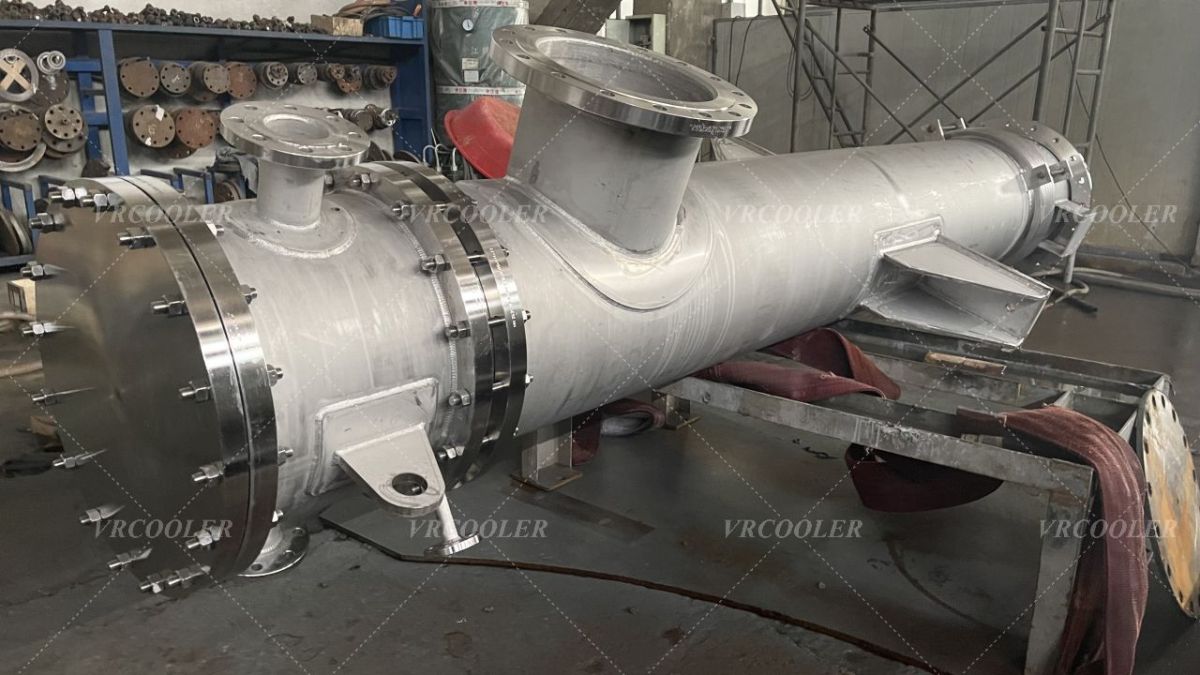
Differences Between ASME Shell and Tube Heat Exchangers and Standard Units
Compared with ordinary shell and tube heat exchangers, ASME-certified units require higher design margins, stricter material control, and more rigorous inspection processes. These requirements result in improved structural integrity, enhanced safety, and longer service life, particularly in high-pressure or critical process applications.
Energy Efficiency and Heat Recovery Capabilities
ASME shell and tube heat exchangers are designed to deliver stable and efficient heat transfer performance. They can be integrated into heat recovery systems to reuse waste heat from process streams, reducing energy consumption and supporting more efficient and sustainable plant operation.
Practical Application Fields for ASME Shell and Tube Heat Exchangers
Oil and Gas and Petrochemical Industries
Widely used in upstream, midstream, and downstream facilities where certified pressure equipment is required.
Power Generation and Heavy Industrial Systems
Applied in thermal power plants, refineries, chemical plants, and other installations with strict safety and compliance requirements.
