
A replacement lube oil cooler for Gas Turbine Generator TG-C on a CPP platform is not simply a spare part. In offshore service, it is a reliability-critical component that protects the turbine lubrication system, stabilizes oil temperature, and helps keep the power package running safely in a harsh marine environment. When a platform depends on continuous power for production, utilities, and safety systems, the performance of the lube oil cooler becomes far more important than its size might suggest.
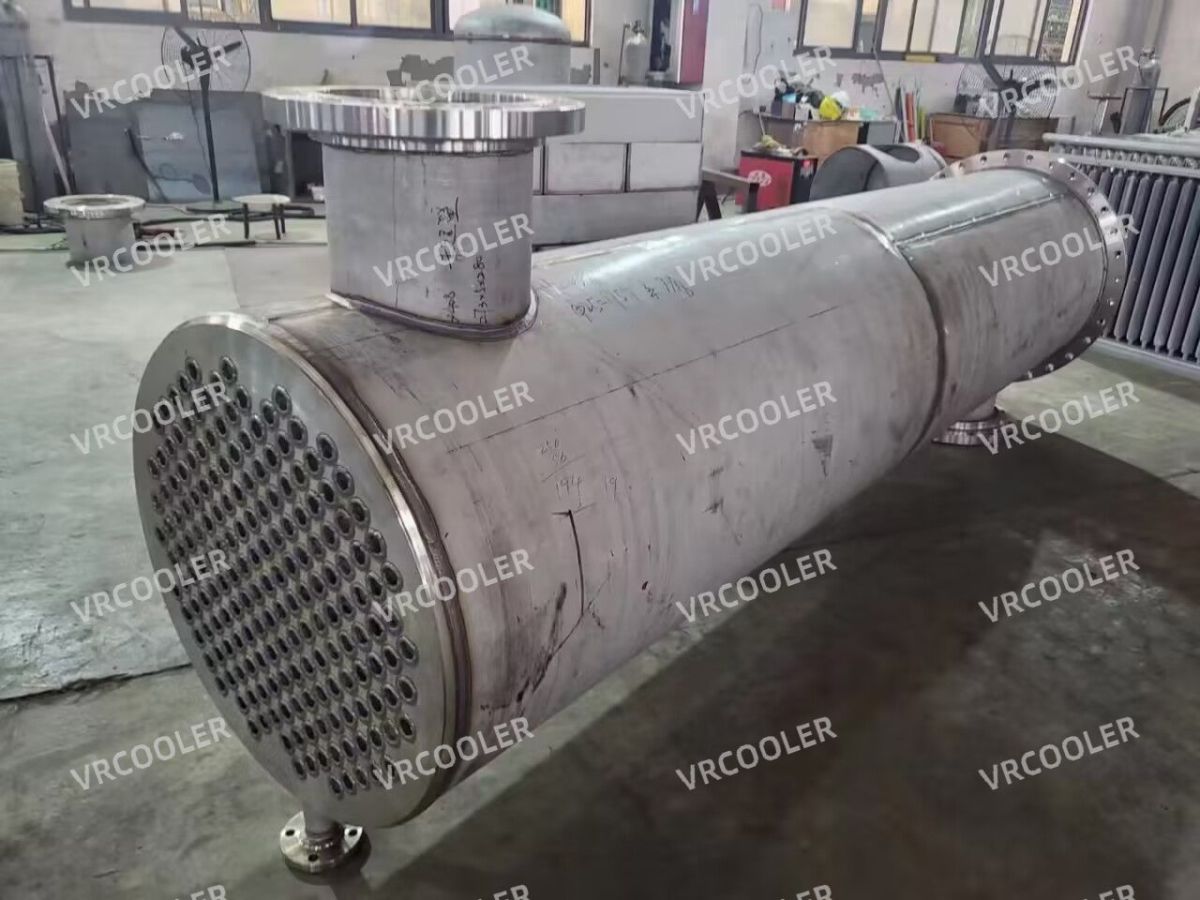
On a Central Processing Platform (CPP), gas turbine generators usually operate under demanding conditions. Ambient temperature can be high, salt-laden air is everywhere, and the equipment must tolerate vibration, long operating hours, and limited maintenance windows. In this environment, the lube oil system has one basic job: maintain clean oil at the correct pressure and temperature so bearings, gears, and other rotating parts remain properly protected. If oil temperature rises too high, viscosity drops, lubrication quality can suffer, and the turbine package may face alarms, trips, or accelerated wear. That is why a properly engineered replacement lube oil cooler is essential during overhaul, retrofit, or emergency replacement work.
The main function of the lube oil cooler is to remove excess heat from the lubricating oil and keep the oil within the required operating range. In many offshore gas turbine generator systems, this is done through a shell and tube heat exchanger or a similarly rugged cooler design using sea water, fresh water, or a closed cooling medium as the secondary fluid. For CPP platform service, the replacement unit must do more than match thermal duty. It also needs to suit the available footprint, nozzle orientation, pressure rating, material compatibility, and service conditions of the original skid or piping arrangement.
In practice, offshore operators often prefer a drop-in replacement lube oil cooler because installation time offshore is expensive and shutdown windows are short. A well-designed replacement unit can be manufactured to match the original connection size, centerline, mounting arrangement, and performance requirements, reducing field modification work. This is especially valuable on platforms where space is tight and lifting, welding, or pipe rerouting may be difficult. A replacement cooler that fits the existing package with minimal adjustment helps shorten downtime and reduces commissioning risk.
Material selection is one of the most important aspects of a replacement cooler for offshore use. On a CPP platform, corrosion resistance is a serious concern, especially when sea water is involved. Depending on the cooling medium and project requirements, materials may include stainless steel, copper nickel, titanium, or corrosion-resistant carbon steel combinations. Tube material, tube sheet material, gasket selection, and coating system all need to be considered carefully. The right material choice helps extend service life and lowers the risk of leaks, fouling, or premature failure in marine conditions.
Thermal performance is equally critical. A replacement lube oil cooler should be sized according to the actual oil flow, inlet and outlet temperature requirements, allowable pressure drop, and cooling medium conditions. Offshore units are sometimes replaced because the original cooler has become fouled, corroded, or no longer meets the turbine’s operating profile. In other cases, operators want a more robust design with better anti-corrosion performance or easier maintenance access. A properly engineered replacement can restore oil temperature control and improve overall package reliability without changing the turbine’s basic operating philosophy.
Maintenance considerations also matter on offshore platforms. Crews prefer equipment that is easy to inspect and service. A practical lube oil cooler design should allow straightforward cleaning, tube bundle access where applicable, and convenient replacement of wear items such as gaskets or seals. Since platform maintenance space is often limited, ease of handling can have a real impact on long-term operating cost. A cooler that is strong, compact, and service-friendly is often more valuable offshore than one that looks good only on paper.
For a Gas Turbine Generator TG-C, reliability and continuity are everything. The lube oil cooler supports bearing protection, thermal stability, and safe turbine operation. When replacing the original unit on a CPP platform, the best approach is to engineer the new cooler around the real service data and the actual installation constraints offshore. That means reviewing not only heat duty, but also pressure class, connection standards, vibration resistance, materials, footprint, and maintenance accessibility.
A high-quality replacement lube oil cooler for TG-C gas turbine generator service gives offshore operators a dependable solution for restoring package performance and extending equipment life. With the right design, it can operate reliably in the marine environment, reduce unplanned shutdown risk, and support the stable power supply that a CPP platform depends on every day.
