
Shell and Tube Heat Exchanger for Cool Fresh Water using Sea Water
Structure and Working Principle
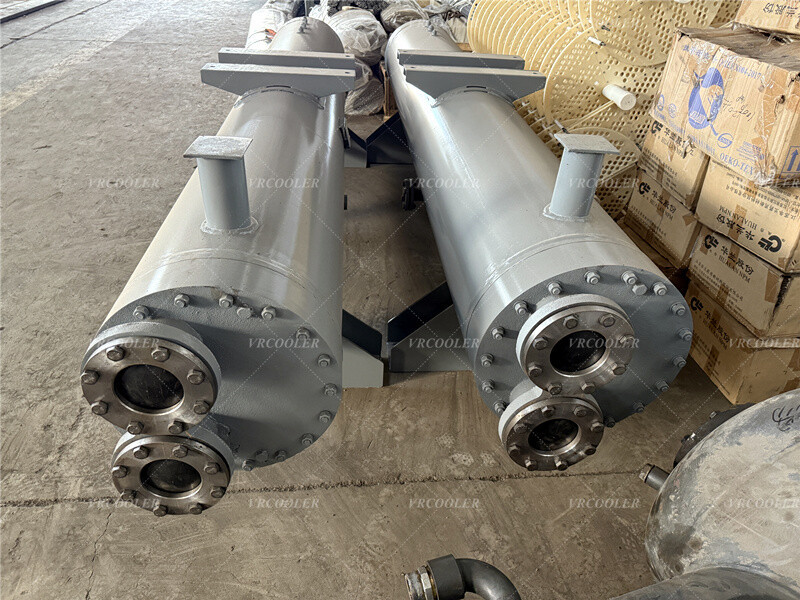
Structure: It consists of a cylindrical shell and a bundle of tubes inside. The sea water flows through the shell side, while the fresh water flows through the tube side. The tubes are usually made of materials with good heat transfer performance, such as copper - nickel alloys or stainless steel, to ensure efficient heat transfer.
Working Principle: Based on the principle of heat conduction and convection. When the warm fresh water passes through the tubes, heat is transferred from the fresh water to the tube walls. Then, the sea water flowing outside the tubes absorbs this heat through convection, cooling the fresh water. The large contact area between the tubes and the sea water helps to enhance the heat transfer efficiency.
Advantages
High Heat Transfer Efficiency: The large surface area of the tubes and the counter - current flow design (where the fresh water and sea water flow in opposite directions) allow for efficient heat exchange, resulting in effective cooling of the fresh water.
Reliable Operation: The simple and robust structure makes it reliable and suitable for continuous operation. It can withstand high pressures and temperatures within a certain range, ensuring stable performance in different working conditions.
Easy Maintenance: The tubes can be easily inspected and cleaned. If there is any damage or fouling, the tubes can be replaced or cleaned without much difficulty, reducing the maintenance cost and downtime.
Applications
Marine Engineering: It is widely used in ships to cool the engine - room cooling water, air - conditioning systems, and other equipment. By using sea water as the cooling medium, it can effectively utilize the abundant seawater resources and reduce the consumption of fresh water.
Coastal Power Plants: In power plants located by the sea, shell and tube heat exchangers are used to cool the condenser water. The large - scale heat exchange capacity can meet the high - volume cooling requirements of power plants, ensuring the normal operation of the turbine generators.
