
Key Functions and Operating Principles of Seawater Condensers
The primary function of a seawater condenser is to condense steam or cool high-temperature fluids by transferring heat to seawater. This process reduces system pressure, stabilizes operating temperatures, and ensures safe and efficient system operation.
Application Scenarios and System Integration
Marine and Offshore Applications
Seawater condensers are extensively used on ships, offshore platforms, and coastal facilities, where seawater is readily available. Typical applications include main engine exhaust systems, auxiliary machinery, and steam condensation systems.
Industrial Cooling and Condensation Systems
In industrial plants, seawater condensers are applied in power generation, chemical processing, and thermal discharge systems to condense steam, cool drains, and manage waste heat efficiently.
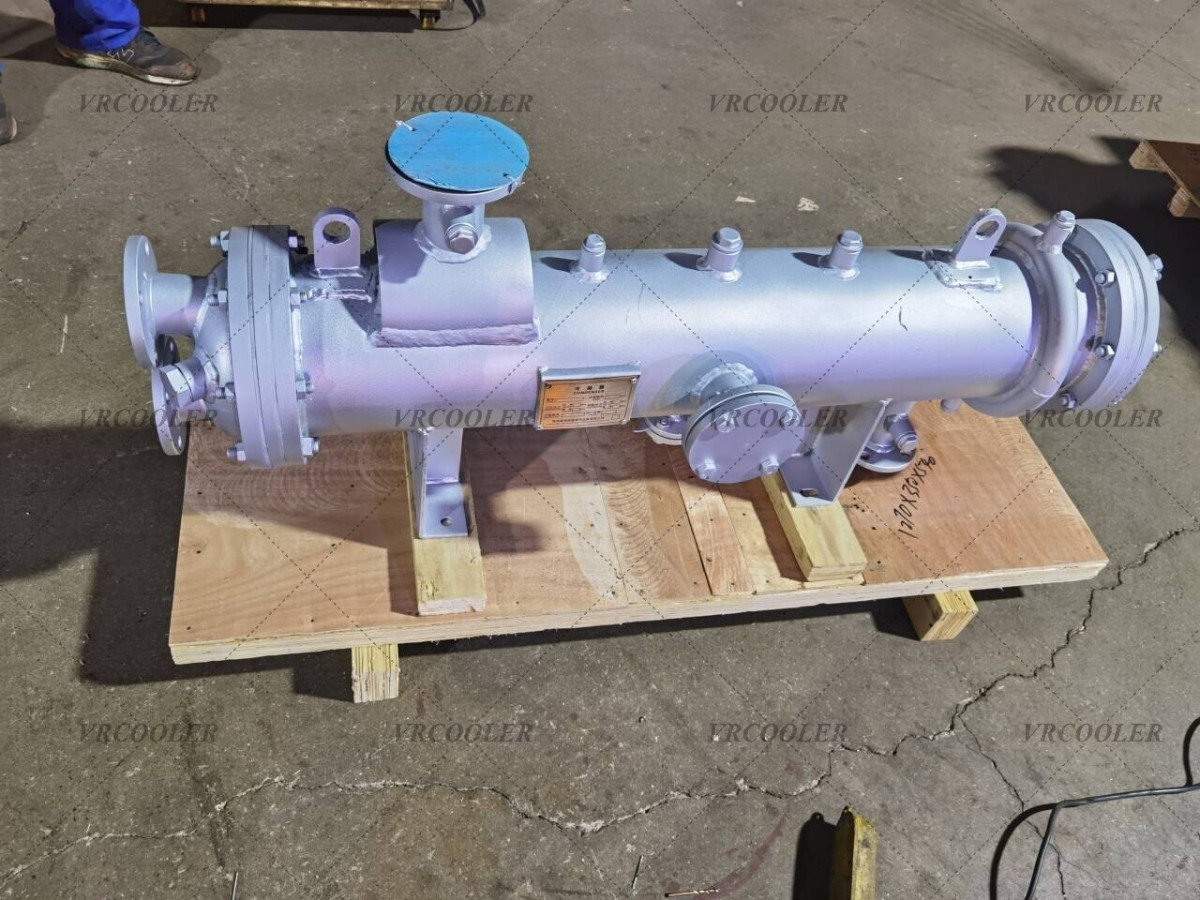
Structural Design and Technical Features
Seawater condensers feature compact and robust construction, optimized heat transfer surfaces, and materials such as copper alloys, titanium, or stainless steel to ensure excellent corrosion resistance. Their design supports stable performance under continuous operation and fluctuating loads.
Product Advantages for Long-Term Operation
High Reliability in Harsh Environments
The use of seawater-resistant materials ensures long-term durability and minimizes the risk of corrosion-related failures.
Low Operating and Maintenance Costs
By using seawater as the cooling medium, operating costs are reduced, while the simple structure allows easy inspection and maintenance.
Energy Efficiency and Heat Recovery Potential
Seawater condensers achieve high energy efficiency by maximizing heat transfer between process fluids and seawater. In certain systems, recovered thermal energy can be reused for auxiliary heating or preheating processes, improving overall energy utilization and supporting sustainable operation goals.
Typical Industries and Application Fields
Seawater condensers are widely used in marine engineering, shipbuilding, offshore oil and gas, coastal power plants, petrochemical facilities, and other heavy industrial sectors where reliable and efficient cooling is essential.
