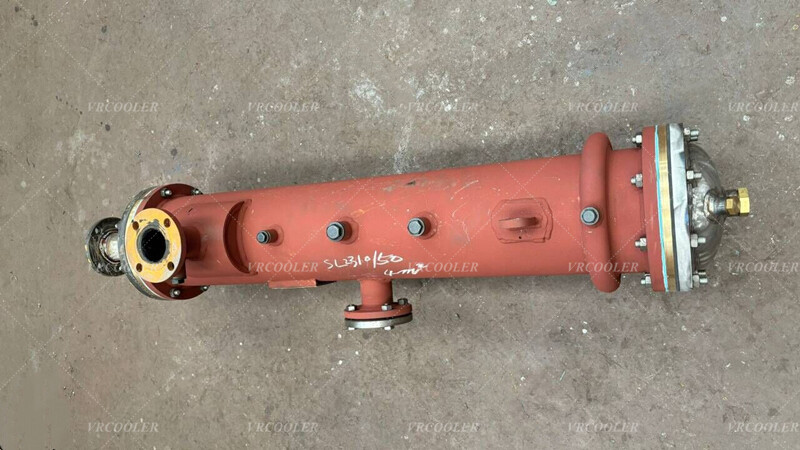
Analysis of Steam Recycling in Marine Boiler Systems and the Role of Drain Coolers
1. Challenges in Marine Boiler Heat Utilization
In marine boiler systems, heat is typically transferred to various ship components (e.g., engines, generators, heating systems) through steam. However, if residual steam (non-condensed heat) cannot be converted into condensate (liquid water), two critical issues arise:
Pump Malfunctions: Non-condensed steam in pipelines creates vapor pockets, causing pumps to lose priming ("cavitation"), which disrupts fluid transportation.
Wasted Resources: Unrecovered steam cannot be directly reused as feed water for the boiler, leading to water and energy waste and increased operational costs.
2. Function and Principle of Drain Coolers
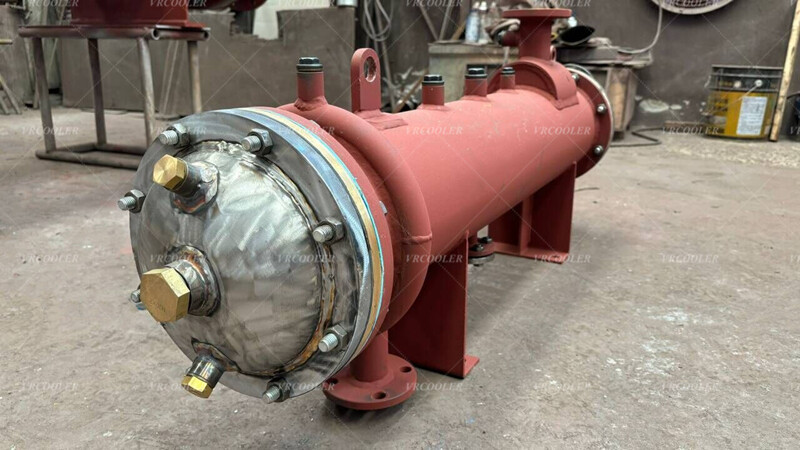
Drain Coolers (also called condensate coolers or drain coolers) address the above challenges by cooling and recycling residual steam and condensed water. Their core roles include:
Condensation of Waste Steam:
Cool and condense "dumping steam" (e.g., excess steam discharged during system regulation) and steam from auxiliary equipment (e.g., valves, vents) into condensate.
Example: Steam from auxiliary engines or cargo heating systems is cooled via a heat exchanger in the drain cooler, releasing latent heat and converting into liquid water.
Recovery of Saturated Water:
Cool "saturated water" (high-temperature condensate) to lower its temperature, making it suitable for reuse as boiler feed water while retaining its high purity.
This prevents thermal stress on downstream equipment (e.g., pumps, boilers) caused by high-temperature water.
Energy Optimization:
Transfer heat from waste steam/saturated water to other systems (e.g., preheating feed water or low-temperature cooling loops) to improve overall thermal efficiency.
3. System Integration and Benefits
Integration Process:
Waste steam/saturated water enters the drain cooler and exchanges heat with a cooling medium (e.g., seawater or low-temperature freshwater).
Condensed water (now feed water) is returned to the boiler's water supply system.
Heat released during condensation is repurposed for preheating or other low-grade heat needs.
Key Benefits:
Water Conservation: Reduces freshwater makeup requirements for the boiler.
Energy Savings: Recovers latent heat from waste steam, reducing fuel consumption.
System Stability: Prevents pump cavitation and thermal shocks, extending equipment lifespan.
Environmental Compliance: Minimizes steam emissions, aligning with maritime environmental regulations (e.g., IMO energy efficiency standards).
4. Application Scenarios in Marine Systems
Main Boiler Systems: Recycle steam from blowdown valves or 安全阀 (safety valves).
Auxiliary Machinery: Cool steam from generators, air compressors, or cargo handling systems.
Steam Distribution Networks: Install drain coolers at steam trap outlets to recover condensate from pipelines.
5. Technical Considerations
Heat Transfer Efficiency: Design must optimize heat exchanger surface area and cooling medium flow rate.
Corrosion Control: Use corrosion-resistant materials (e.g., stainless steel) for components in contact with condensate.
Pressure and Temperature Management: Ensure the cooler can handle operational pressure ranges (e.g., 1–10 bar for low-pressure systems).
Drain coolers are critical for closed-loop steam recycling in marine systems, addressing both energy efficiency and operational reliability. By converting waste steam into reusable feed water, they reduce resource consumption, enhance system stability, and support sustainable maritime practices. Proper design and maintenance of these components are essential for optimizing overall ship performance.