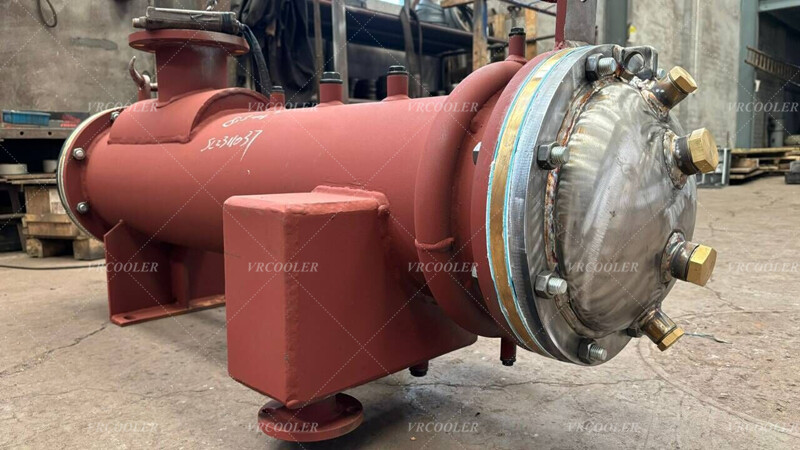
Can a Drain Cooler be used in a Food Processing Plant?
Yes, a drain cooler can be used in a food processing plant, and it offers several advantages in such a setting:
Energy savings: Many food processing operations rely on steam for processes like cooking, sterilization, and pasteurization. The condensate from these steam - based processes is hot and still contains a significant amount of heat energy. A drain cooler can recover this heat and use it to pre - heat incoming water or other process fluids. This reduces the amount of energy needed to heat these fluids to the required temperature, leading to lower energy consumption and cost savings.
Water conservation: By cooling the condensate, it can be recycled and reused in the plant. For example, it can be used for cleaning equipment, rinsing food products, or as makeup water for certain processes. This helps reduce the overall water consumption of the food processing plant, which is beneficial from both an environmental and cost - saving perspective.
Improved process efficiency: Maintaining the right temperature in food processing is crucial for product quality and safety. Drain coolers help regulate the temperature of process fluids by removing excess heat. This ensures that processes such as refrigeration, air - conditioning, and cooling of food products are more efficient, leading to better - quality products and fewer production errors.
Compliance with regulations: In the food industry, there are strict regulations regarding water quality and waste disposal. Using a drain cooler to treat and recycle condensate can help food processing plants meet these regulations by reducing the amount of hot water and contaminants discharged into the environment. It also helps in minimizing the risk of thermal pollution, which can have a negative impact on local water bodies and ecosystems.