
In a carbon dioxide removal system, heat exchangers are not secondary equipment. They are essential parts of the process. Whether the system is designed for flue gas CO₂ capture, amine absorption, CO₂ compression, drying, liquefaction, or storage, temperature control directly affects capture efficiency, solvent performance, energy consumption, and long-term reliability.
Among different heat exchanger types, the shell and tube heat exchanger is widely used because it can handle pressure, temperature variation, corrosive fluids, and continuous industrial operation. In carbon dioxide removal applications, it is especially suitable for amine solutions, cooling water, steam, CO₂-rich gas, and process fluids that require robust mechanical design.
In the process shown, flue gas from a power plant first passes through a scrubber and then enters an absorber, where CO₂ is removed by a circulating amine solution. The rich amine then moves toward regeneration, while the lean amine returns to the absorber. Several heat exchangers are needed throughout this loop to keep the process stable.
One of the most important units is the rich amine / lean amine heat exchanger. This exchanger recovers heat from hot regenerated lean amine and transfers it to the colder rich amine before it enters the stripper. This reduces steam consumption in the reboiler and improves the overall energy efficiency of the CO₂ removal plant. Shell and tube design is often preferred for this duty because amine solutions can be corrosive, and the exchanger must tolerate continuous operation and chemical exposure.
Another common application is the lean amine cooler. After regeneration, the lean amine is still hot and must be cooled before returning to the absorber. If the lean amine enters the absorber at too high a temperature, CO₂ absorption efficiency can drop. A shell and tube cooler can use cooling water or another cooling medium to bring the lean amine back to the required operating temperature.
Shell and tube exchangers may also be used as wash coolers or intercoolers in the gas treatment section. These units help control flue gas temperature before or after scrubbing and protect downstream equipment. In flue gas service, the design must consider moisture, acidic components, particles, and possible fouling.
In the regeneration section, shell and tube equipment is also common for stripper reboiler duty. Steam is used to provide heat to release CO₂ from the rich amine solution. The reboiler must deliver stable heat input while avoiding solvent degradation, excessive temperature, or poor circulation. A well-designed shell and tube reboiler helps maintain efficient CO₂ stripping and stable solvent regeneration.
After CO₂ is released from the stripper, it often needs to be cooled, dried, compressed, and sometimes liquefied. Shell and tube heat exchangers can be used as CO₂ compressor intercoolers, aftercoolers, drying system coolers, and CO₂ liquefaction heat exchangers. These units help remove compression heat and prepare the CO₂ for storage, truck loading, pipeline transport, or injection.
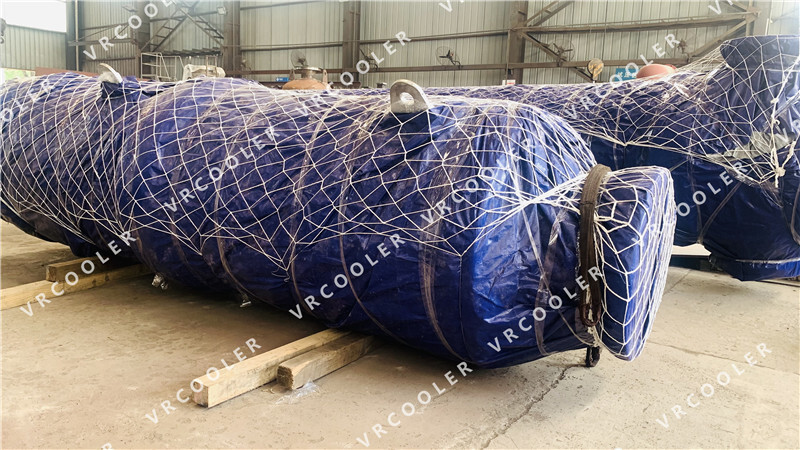
Typical shell and tube heat exchanger duties in CO₂ removal systems include:
Material selection is a key design point. Amine systems can create corrosion problems, especially when CO₂, oxygen, heat-stable salts, degradation products, chlorides, and water are present. Depending on the service, shell and tube heat exchangers may use carbon steel, SS304, SS316L, duplex stainless steel, or special alloys. For more aggressive conditions, corrosion allowance, proper velocity control, and suitable gasket or sealing materials should also be considered.
Pressure drop is another important factor. In CO₂ removal systems, excessive pressure loss can increase blower, pump, or compressor power consumption. A good shell and tube heat exchanger must balance heat transfer performance with acceptable pressure drop on both the process side and utility side.
For amine-based carbon dioxide removal, energy efficiency is one of the biggest operating concerns. The rich / lean amine heat exchanger is especially important because it reduces the amount of steam required in the stripper. Better heat recovery means lower operating cost and improved plant efficiency. This is why exchanger sizing, fouling allowance, approach temperature, and cleaning access should be reviewed carefully during design.
Maintenance also matters. CO₂ capture systems often run continuously, and heat exchanger fouling or leakage can affect the whole process. Shell and tube units are valued because they can be designed with removable tube bundles, inspection covers, and cleanable tube sides. This makes them practical for long-term industrial operation.
In summary, shell and tube heat exchangers are widely used in carbon dioxide removal systems because they provide reliable heat transfer, strong pressure resistance, flexible material options, and good maintainability. From flue gas cooling and amine solvent heat recovery to CO₂ compression and liquefaction support, they play a central role in keeping the CO₂ capture process efficient, stable, and reliable. For carbon capture projects, choosing the right shell and tube heat exchanger design can directly reduce energy consumption and improve long-term system performance.
