
Transforming Hot Drain into Safe Discharge
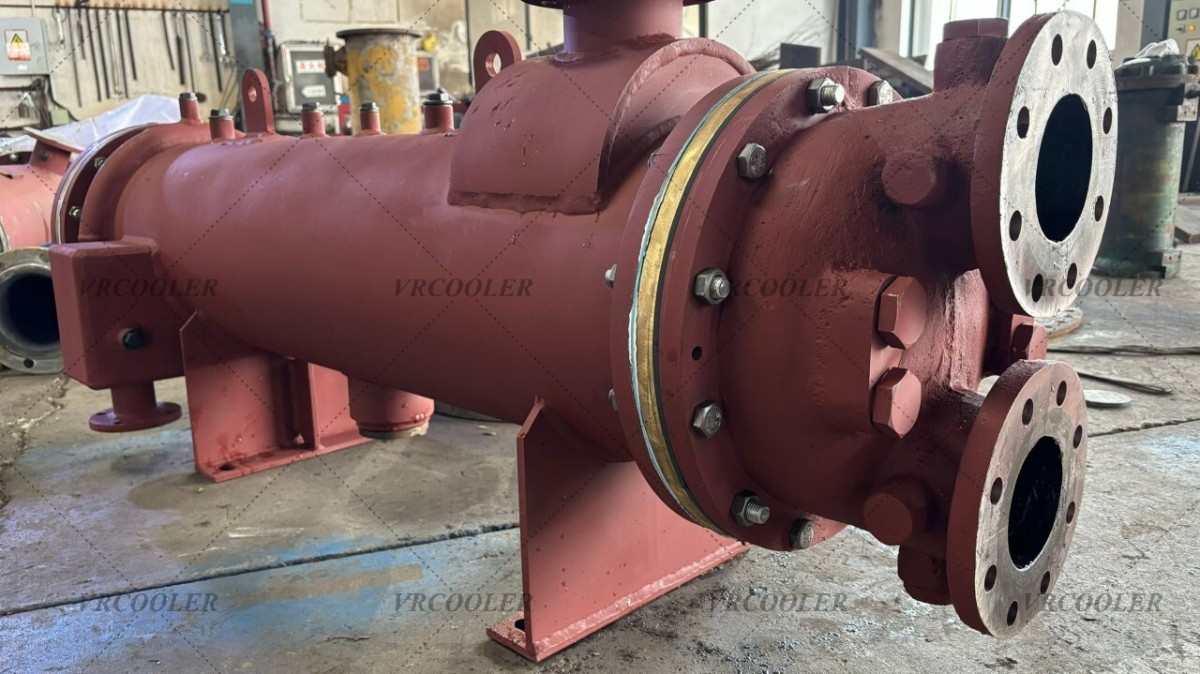
Drain coolers operate on a simple yet highly efficient heat exchange principle. Hot drain fluids flow through the tube side, while cooling medium flows on the shell side. As heat is transferred through the tube walls, the temperature of the drain fluid drops to a safe level suitable for discharge or reuse.
This process:
Prevents damage to downstream piping
Avoids thermal shock to sewage systems
Reduces safety risks for operators
In many industrial systems, drain coolers act as the final thermal protection unit before fluid leaves the process loop.
Designed for High Temperature and Harsh Media
Drain fluids often contain:
High temperature
Corrosive chemicals
Solid particles or impurities
Therefore, drain coolers are designed with:
Thick-wall tubes for pressure resistance
Corrosion-resistant materials such as stainless steel or alloy steel
Optimized flow paths to reduce fouling
These structural features ensure long-term stable performance even under continuous harsh operating conditions.
More Than Cooling Equipment in Process Systems
Drain coolers do more than simply reduce temperature. They also:
Stabilize overall system heat balance
Protect wastewater treatment systems
Enable partial heat recovery
Improve environmental compliance
In many plants, drain coolers are integrated into energy management strategies to minimize heat loss and improve resource utilization.
Energy Recovery and Efficiency Improvement
Instead of directly discharging hot drain fluids, drain coolers allow heat to be transferred to:
Feed water systems
Preheating loops
Auxiliary heating processes
This recovered thermal energy can significantly reduce:
Fuel consumption
Heating costs
Total operating expenses
From a sustainability perspective, drain coolers help convert waste heat into usable energy, aligning with modern low-carbon industrial practices.
Trusted Across Multiple Industrial Applications
Drain coolers are widely applied in:
Thermal power plants (boiler blowdown systems)
Chemical and petrochemical plants
Refinery drainage systems
Marine engine rooms
Industrial steam and condensate networks
Their simple structure, high reliability, and strong adaptability make them a standard solution for industrial drain cooling.
A Key Component for Safe and Efficient Operations
Drain coolers are not just auxiliary equipment, but essential safety and energy management components in industrial systems. By effectively reducing drain temperature and recovering waste heat, they enhance system reliability, protect infrastructure, and contribute to sustainable operation. For any process involving high-temperature drainage, a properly designed shell and tube drain cooler is a fundamental and cost-effective solution.
