
A laboratory shell and tube heat exchanger is a compact training system used to demonstrate conduction, convection, and overall heat transfer performance. It typically consists of a durable shell housing multiple tubes through which one fluid flows while another fluid circulates around them. The temperature difference drives heat exchange, allowing users to evaluate heat-transfer coefficients, flow dynamics, and system behavior at various operating conditions.
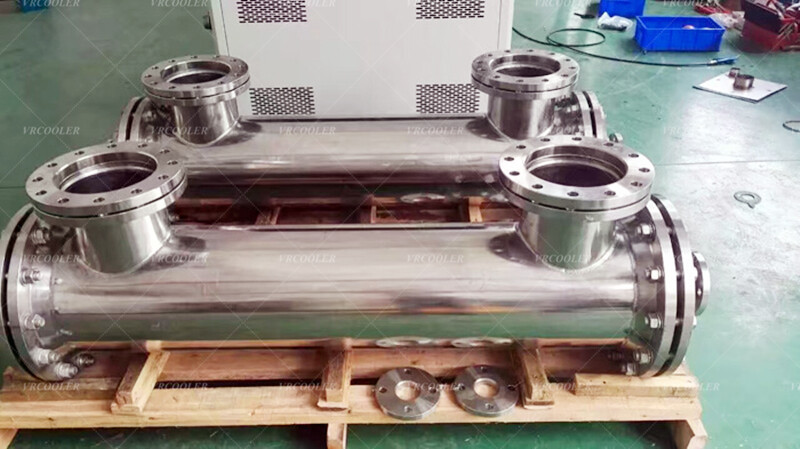
Key Features of Laboratory Shell & Tube Heat Exchangers
1. Durable Construction
Shell Material: Non-corrosive steel such as stainless steel or equivalent; transparent acrylic shells may be used for teaching visualization.
Tube Material: Copper or stainless steel tubes designed for long life and efficient heat conduction.
2. Flexible Operating Range
Nominal speed or pump circulation typically ranges from 1,800 – 26,000 rpm, depending on the turbine or pump system used.
3. Proper Insulation
High-quality insulation minimizes heat loss to the environment, ensuring accurate measurements and efficient thermal performance.
4. Integrated Heating Arrangement
Built-in or external heaters prepare the hot fluid.
Compatible heating sources include diesel, LPG, or electric heaters.
5. Hot and Cold Fluid Tanks
Dedicated tanks provide stable fluid storage and controlled circulation, essential for repeatable lab experiments.
6. Accurate Measurement Instruments
Flowmeters for both hot and cold water channels.
Digital thermometers or sensors installed at inlets and outlets for precise temperature monitoring.
7. Adjustable Flow Control
Manual or automated valves allow users to regulate fluid flow, enabling different test conditions and performance assessments.
8. Compact and Portable Frame
Designed for easy placement on lab benches, with a stable structure suitable for continuous academic use.
9. Power Supply
Standard laboratory-friendly 230V AC, 50Hz supply for systems with integrated heaters.
10. Optional Data Acquisition System (DAQ)
DAQ systems enhance the learning experience by providing automated logging of temperature, flow rate, and performance trends.
Applications in Education and Research
A shell and tube heat exchanger is a core instrument in disciplines such as:
Mechanical Engineering
Chemical Engineering
Thermodynamics & Heat Transfer
Process Engineering
Energy Systems
Students can conduct experiments on:
Heat transfer coefficient calculation
LMTD (Log Mean Temperature Difference) analysis
Counter-flow vs. parallel-flow performance
Effect of flow rate on heat exchange
Efficiency evaluation with different fluids
These experiments improve understanding of industrial heat-exchange systems used in oil & gas, HVAC, refineries, food processing, and power plants.
Benefits of Using Shell and Tube Heat Exchangers in Laboratories
High repeatability for teaching and research
Clear visualization when transparent shells are used
Cost-effective and long-lasting
Supports multiple experiment types
Allows real-time data acquisition
Conclusion
A shell and tube heat exchanger for laboratory use is an essential teaching tool that delivers accurate, safe, and repeatable thermal experiments. Its robust design, flexible operating conditions, and measurement precision make it ideal for universities, research institutions, and industrial training centers aiming to enhance their heat-transfer education programs.
