
High-temperature Tubular Heat Exchanger for Heating Drying Air
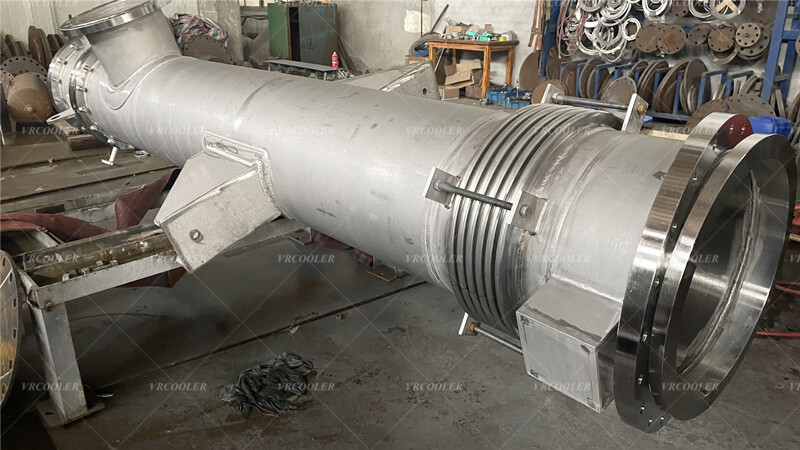
The high-temperature tubular heat exchanger is an effective solution for heating drying air in various industrial applications, such as in drying processes for food, pharmaceuticals, or materials.
Overview
Purpose
Heating Drying Air: The primary function is to transfer heat from a hot fluid (like steam or hot water) to the air used for drying, ensuring efficient moisture removal from the product.
Design Features
Tubular Configuration:
Design: Comprises a series of tubes where one fluid flows through the tubes and the other fluid (air) flows over the tubes in a counterflow or parallel flow arrangement.
Materials: Typically constructed from high-temperature resistant materials (e.g., stainless steel or alloy materials) to withstand elevated temperatures.
High Temperature Capability:
Designed to operate at high temperatures (often exceeding 200°C or 392°F), making them suitable for demanding industrial environments.
Insulation:
Effective insulation is crucial to minimize heat loss and improve overall efficiency.
Operation
Heat Transfer: Hot fluid (e.g., steam) circulates through the tubes, transferring heat to the air that flows around the tubes.
Air Distribution: Fans or blowers may be used to ensure even distribution of the heated air into the drying chamber.
Temperature Control: Integrated control systems monitor and adjust the temperatures of both the heating fluid and the air to maintain optimal drying conditions.
Benefits
High Efficiency:
Efficient heat transfer allows for rapid heating of drying air, improving the drying process and reducing energy consumption.
Versatility:
Can be used in various applications, from food processing to pharmaceuticals, adapting to different drying requirements.
Space-Saving Design:
Tubular designs often take up less space than other types of heat exchangers, making them suitable for facilities with limited space.
Durability:
High-temperature materials ensure longevity and reliability, even in harsh operating conditions.
Reduced Operational Costs:
By effectively utilizing energy, these heat exchangers can lower fuel costs and improve overall process economics.
Applications
Food Industry: Used for drying fruits, vegetables, and other food products where maintaining quality and reducing moisture is crucial.
Pharmaceuticals: Essential for drying active ingredients while ensuring that temperature-sensitive compounds are not degraded.
Textiles: Employed in drying processes for fabrics and other textile products.
Wood Processing: Used in drying lumber and wood products to prevent warping and other defects.
Maintenance Considerations
Regular Inspections: Routine checks are necessary to identify wear, corrosion, or blockages in the tubes.
Cleaning: Periodic cleaning of the heat exchanger is essential to maintain efficiency and heat transfer capability.
Monitoring: Temperature and pressure monitoring systems help ensure optimal operation and prevent overheating.