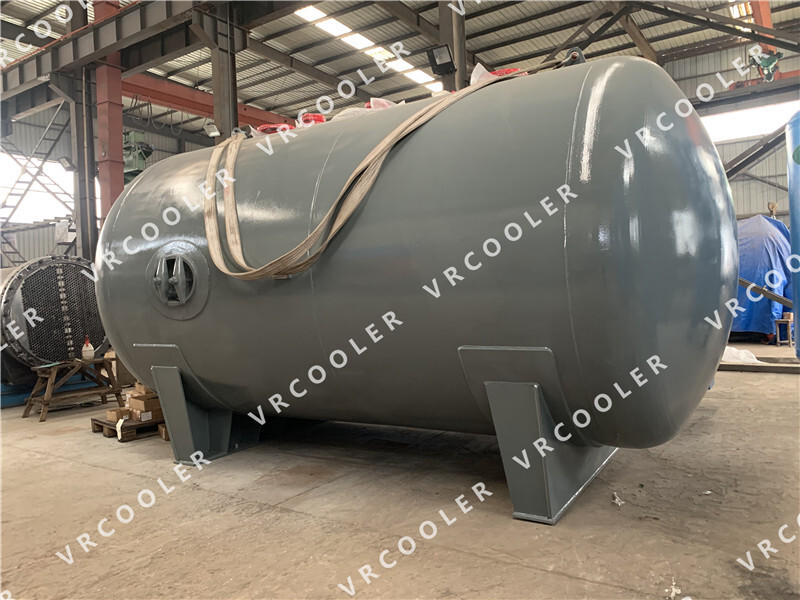
How are Shell & Tube Heat Exchangers Designed for High Dust Containing Exhaust Gases?
The design of a shell and tube heat exchanger for high dust content exhaust gases needs to take into account the effect of solid particles on the performance of the equipment. The following are some of the special design and considerations to ensure effective operation of the heat exchanger in high dust content environments:
1. Wear-resistant Materials
Material Selection: Use wear-resistant materials such as alloy steel or specially coated stainless steel to minimize the wear of solid particles on the tubes and housings.
Internal Coating: Wear-resistant coating or ceramic coating is used to protect the inner wall of the pipe and prolong the service life.
2. Special Fluid Flow Design
Flow Pattern Optimization: Counter-flow or cross-flow designs are used to increase the degree of fluid turbulence and reduce the formation of deposits.
Flow Rate Adjustment: Design appropriate flow rate to keep particles in suspension and reduce deposits inside the heat exchanger.
3. Cleaning and Maintenance Design
Removable Design: Design the heat exchanger structure to be removable for regular cleaning and maintenance to ensure that the equipment is always in optimal condition.
Cleaning ports: Include cleaning ports or channels in the design to allow maintenance personnel to easily perform cleaning work.
4. Sediment Control System
Sediment collection device: A sediment collection device is installed at the bottom of the heat exchanger or at a specific location to periodically clean the accumulated particles.
Vibratory devices: Vibratory or airflow cleaning techniques are used to minimize the formation of deposits.
5. Cooling and Heating Optimization
Temperature control: Control the cooling or heating temperature to avoid high temperatures that could cause particles to melt or stick to the pipe walls.
Coolant flow design: Optimize the flow path of the coolant to ensure effective heat exchange and reduce deposit build-up.
6. Corrosion Resistant Design
Corrosion-resistant materials: In high dust exhaust gases, which may contain corrosive components, select corrosion-resistant materials or anti-corrosion treatment to protect the equipment.
Sealing design: Ensure good sealing to prevent gas leakage and external contaminants from entering the system.
7. Monitoring and Control System
Online monitoring: Equipped with an online monitoring system to monitor the operating status of the heat exchanger in real time, so as to find and deal with problems in time.
Automatic Cleaning System: Adopt automatic cleaning mechanism to clean the heat exchanger regularly and reduce the frequency of manual maintenance.