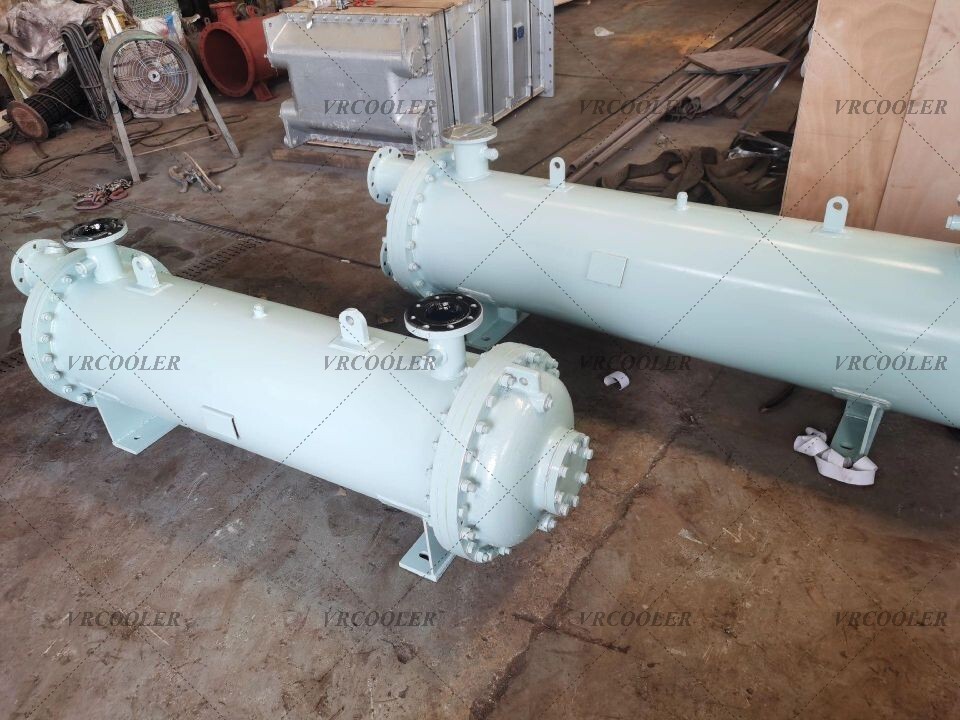
Crew can identify poor lube-oil cooler performance by watching for changes in oil temperature, cooling-water behavior, pressure drop, and contamination signs during normal operation.
The most direct sign is a rising lube-oil temperature after the cooler. If the engine load, seawater temperature, and cooling-water flow are normal but the oil outlet temperature keeps increasing, the cooler may be fouled, scaled, blocked, or losing heat-transfer efficiency.
Another warning sign is unstable oil temperature control. If the temperature control valve keeps hunting, or the oil temperature rises and falls abnormally, the problem may come from poor cooling efficiency, a sticking control valve, incorrect bypass flow, or insufficient cooling-water flow.
Crew should also compare the cooling-water inlet and outlet temperatures. If the cooling water temperature difference becomes too small, the cooler may not be transferring enough heat from the oil. If the cooling-water outlet temperature is unusually high, the cooler may be overloaded or the water flow may be insufficient.
A higher pressure drop across the oil side or water side can also indicate blockage or fouling. On the oil side, this may suggest sludge, deposits, or restricted passages. On the water side, it may point to scale, marine growth, mud, or debris.
Contamination is a more serious sign. If water appears in the lubricating oil, or oil appears in the cooling water, the cooler may have internal leakage, such as a damaged tube, cracked plate, failed gasket, or corroded heat-transfer surface. This should be checked immediately because water-contaminated lube oil can quickly damage bearings and other engine parts.
In practical onboard checks, crew should compare current readings with normal historical values. A slow temperature rise over days or weeks usually suggests fouling or scaling. A sudden abnormal change may suggest valve failure, blocked flow, pump trouble, air locking, or internal leakage.