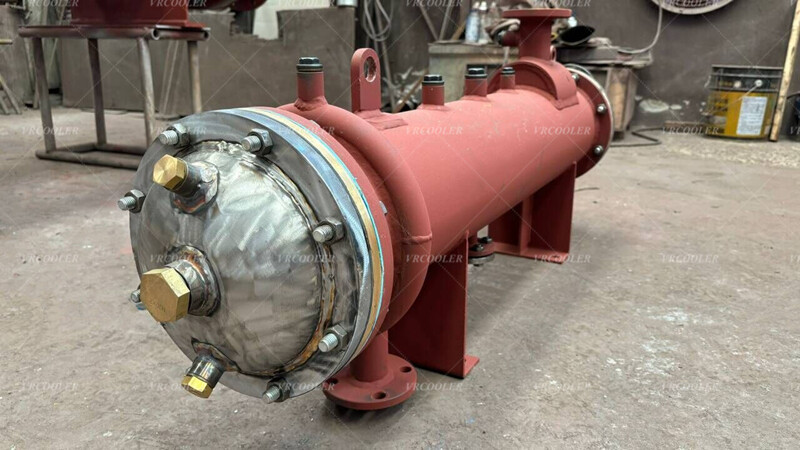
How does a Drain Cooler Approach Affect the Efficiency of a Heat Exchanger?
The drain cooler approach has a significant impact on the efficiency of a heat exchanger, mainly in the following aspects:
Heat transfer efficiency: A smaller drain cooler approach means that the temperature difference between the condensate leaving the heat exchanger and the incoming feed water is smaller. This indicates that more heat is being transferred from the hot fluid (such as the steam condensate) to the cold fluid (the feed water). As a result, the heat exchanger is able to extract more heat from the condensate, improving the overall heat transfer efficiency. For example, if the drain cooler approach is reduced from 10°C to 5°C, it means that the feed water is being heated more effectively, getting closer to the temperature of the condensate, and thus making better use of the available heat energy.
Energy recovery: In industrial processes, the heat in the condensate is a valuable energy source. A lower drain cooler approach allows for greater energy recovery. The cooled condensate can be recycled more effectively, and the heat recovered can be used to pre - heat other process fluids or for other heating purposes within the plant. This reduces the need for additional energy input from other sources, such as burning more fuel or using more electricity, thereby improving the overall energy efficiency of the system.
Reduced steam consumption: When the drain cooler approach is small, it implies that the feed water is being heated more efficiently. This means that less steam is required to heat the feed water to the desired temperature in subsequent stages of the process. For example, in a power plant, less steam needs to be extracted from the turbine for feed water heating, which allows more steam to continue through the turbine to generate electricity. This increases the power output of the turbine and improves the overall efficiency of the power generation process.
Prevention of thermal stress: A large drain cooler approach can lead to significant temperature differences between the condensate and the feed water. This can cause thermal stress in the heat exchanger components. Over time, thermal stress can lead to material fatigue, cracks, and reduced component lifespan. By reducing the drain cooler approach, the temperature gradients within the heat exchanger are more moderate, helping to prevent thermal stress and extend the service life of the equipment. This, in turn, reduces maintenance costs and downtime, contributing to the overall efficiency of the process.