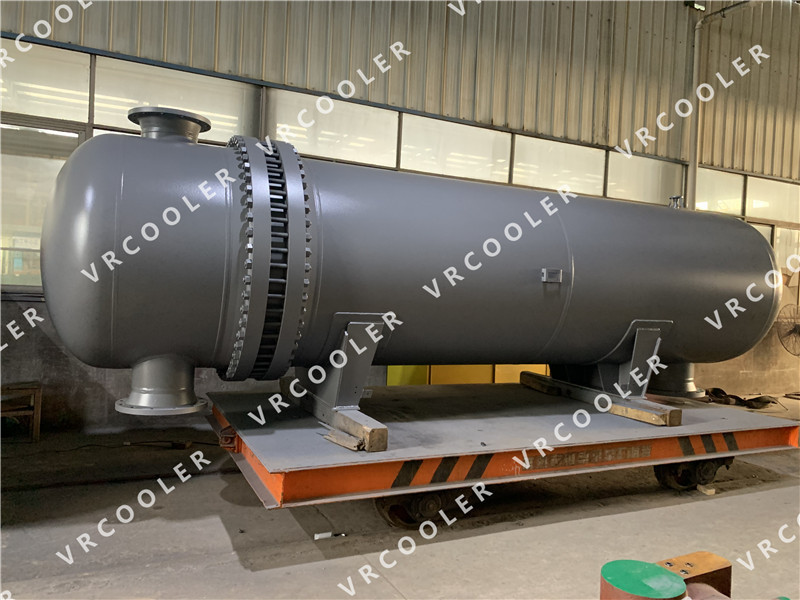
Air and other non-condensable gases can accumulate inside a closed feedwater heater, particularly around the tube bundle and in areas with poor steam circulation. Unlike extraction steam, these gases do not condense on the tube surfaces. They form an insulating layer that reduces direct contact between the steam and the tubes, lowering the overall heat-transfer coefficient.
As air builds up, the feedwater outlet temperature drops and the heater’s terminal temperature difference increases. The turbine extraction steam may not condense efficiently, causing unstable shell-side pressure and condensate level. The next heater, economizer or boiler must then provide additional heat, increasing fuel consumption and reducing overall power-plant efficiency.
Non-condensable gases also contain oxygen and carbon dioxide, which can promote pitting and acidic corrosion when they dissolve in condensate. Localized corrosion is especially likely near venting areas, tube sheets and stagnant sections of the shell.
A properly designed feedwater heater therefore requires continuous or controlled venting from the locations where gases naturally collect. Vent lines must be correctly sized and kept clear. Insufficient venting allows air accumulation, while excessive venting wastes extraction steam and reduces thermal efficiency. A declining feedwater outlet temperature, increasing terminal temperature difference and unstable shell pressure can indicate a blocked or incorrectly adjusted venting system.