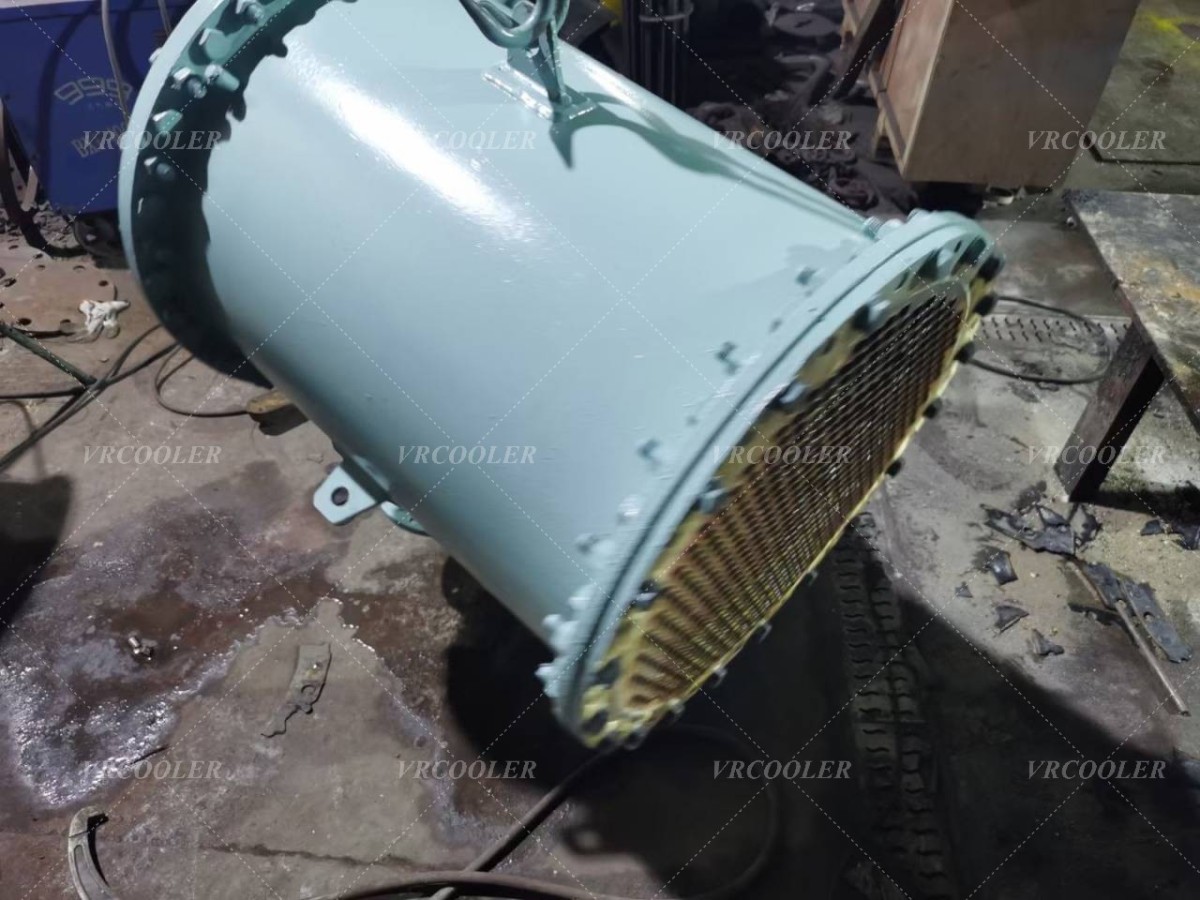
A freshwater generator evaporator tube bundle is cleaned by removing salt scale, mineral deposits, sludge, and marine fouling from the heat transfer surface. The correct cleaning method depends on the tube material, scale thickness, and freshwater generator design.
Before cleaning, the freshwater generator should be stopped, isolated, drained, cooled down, and opened according to the vessel’s maintenance procedure. The vacuum must be released safely, and seawater, brine, and heating water circuits should be isolated to prevent accidental leakage during work.
For light deposits, freshwater flushing is usually the first step. Clean water is circulated through the evaporator section to remove loose salt, mud, and soft deposits. This is useful after regular operation and can help delay heavy scaling.
For hard mineral scale, chemical descaling is commonly used. A suitable descaling solution is circulated through the evaporator side to dissolve calcium carbonate, magnesium salts, and other seawater scale. The chemical must be compatible with the tube material, such as titanium, copper-nickel, stainless steel, or aluminum brass. After chemical cleaning, the tube bundle should be thoroughly flushed with clean water until the system is neutral and free from chemical residue.
For heavy blockage or stubborn deposits, mechanical cleaning may be required. This can include soft brushing, tube cleaning tools, or controlled high-pressure water cleaning. The cleaning method must not scratch or damage the tube surface, especially for thin-wall tubes or copper alloy tubes.
After cleaning, the evaporator tube bundle should be inspected for corrosion, erosion, tube thinning, loose tube expansion, damaged tube sheets, blocked passages, and leakage traces. A pressure test or leakage test is often recommended before the freshwater generator is returned to service.