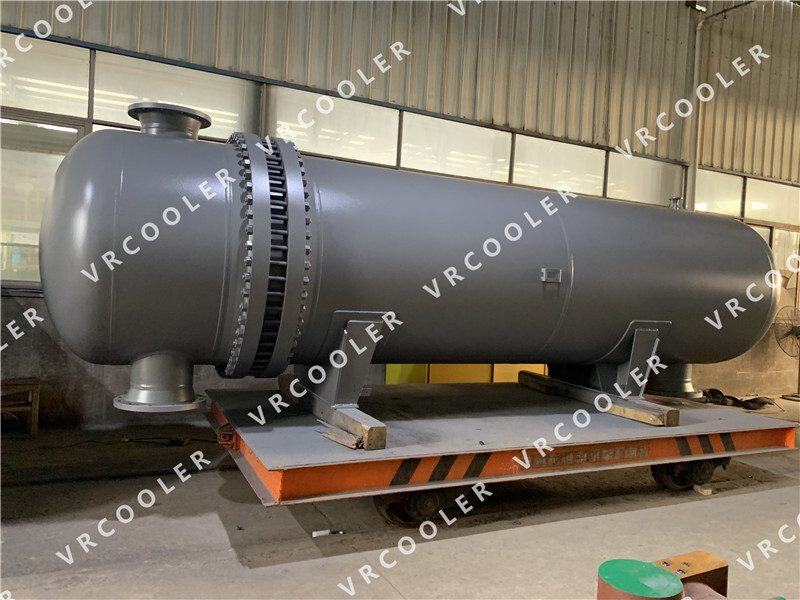
How to Ensure Long-Term Efficient Operation of Shell & Tube Heat Exchangers?
Maintenance and cleaning of shell and tube heat exchangers are key to ensuring their long-term efficient operation.
Maintenance requirements
Regular inspections
Visual Inspection: Periodically inspect the shell and tubes for visible damage, leaks or corrosion.
Connection Inspection: Ensure that all connections (e.g. flanges, seals) are intact to prevent fluid leakage.
Pressure and Temperature Monitoring
Operating Parameter Monitoring: Regularly monitor the pressure, temperature and flow rate of the heat exchanger to ensure it is operating within its design limits.
Abnormal condition logging: Record any abnormal operating parameters for timely troubleshooting.
Regular Maintenance
Cleaning Schedule: Set up a regular cleaning schedule and select the appropriate cleaning frequency based on fluid type and contamination level.
Replace Seals: Inspect and replace seals periodically to prevent leakage.
Cleaning Requirements
Physical Cleaning
Cleaner Selection: Clean shell and tube heat exchangers with a suitable cleaner, avoiding chemicals that may damage materials.
High Pressure Water Gun: Use a high pressure water gun to remove dirt and deposits from the tubes without damaging the heat exchanger.
Chemical Cleaning
Acid Cleaning: For heavy contamination and scaling, acid cleaning methods (e.g. nitric or hydrochloric acid) can be used to remove the scale.
Neutralization: After cleaning, ensure that the cleaning agent is neutralized to avoid corrosion of the heat exchanger.
Inline Cleaning
Installation of in-line cleaning systems: Consider installing an in-line cleaning system for continuous cleaning and reduced downtime.
Automated cleaning: Use automated cleaning devices to increase cleaning efficiency and reduce labor costs.
Recommendations to Ensure Long-Term Efficient Operation
Optimize fluid characteristics
Select the right fluid: Choose the right fluid type and flow rate to minimize the risk of scaling and corrosion.
Additive use: Consider using anti-corrosion additives or cleaning agents to extend the life of the heat exchanger.
Flow design optimization
Avoid dead zones: Optimize fluid flow paths to reduce dead zones and flow inhomogeneities, thereby improving heat transfer efficiency.
Proper placement: Design to ensure proper placement of tube bundles for ease of cleaning and maintenance.
Training and Operating Procedures
Employee training: Regular training is provided to operators to raise their awareness of heat exchanger maintenance and cleaning.
Develop operating procedures: Develop clear operating procedures and maintenance programs to ensure that each step is carried out.
Record and analyze
Maintenance logs: Record details of each maintenance and cleaning for subsequent analysis and improvement.
Data Analysis: Regularly analyze operational data to identify potential problems and take preventive action.