
MESSAGE
Large Temperature Difference Evaporator Condenser Enabling Stable Heat Exchange Under Extreme Thermal Conditions
Time :Apr 10, 2026
Engineering Design That Handles Intense Thermal Loads
- Structural design prepared for strong thermal gradients
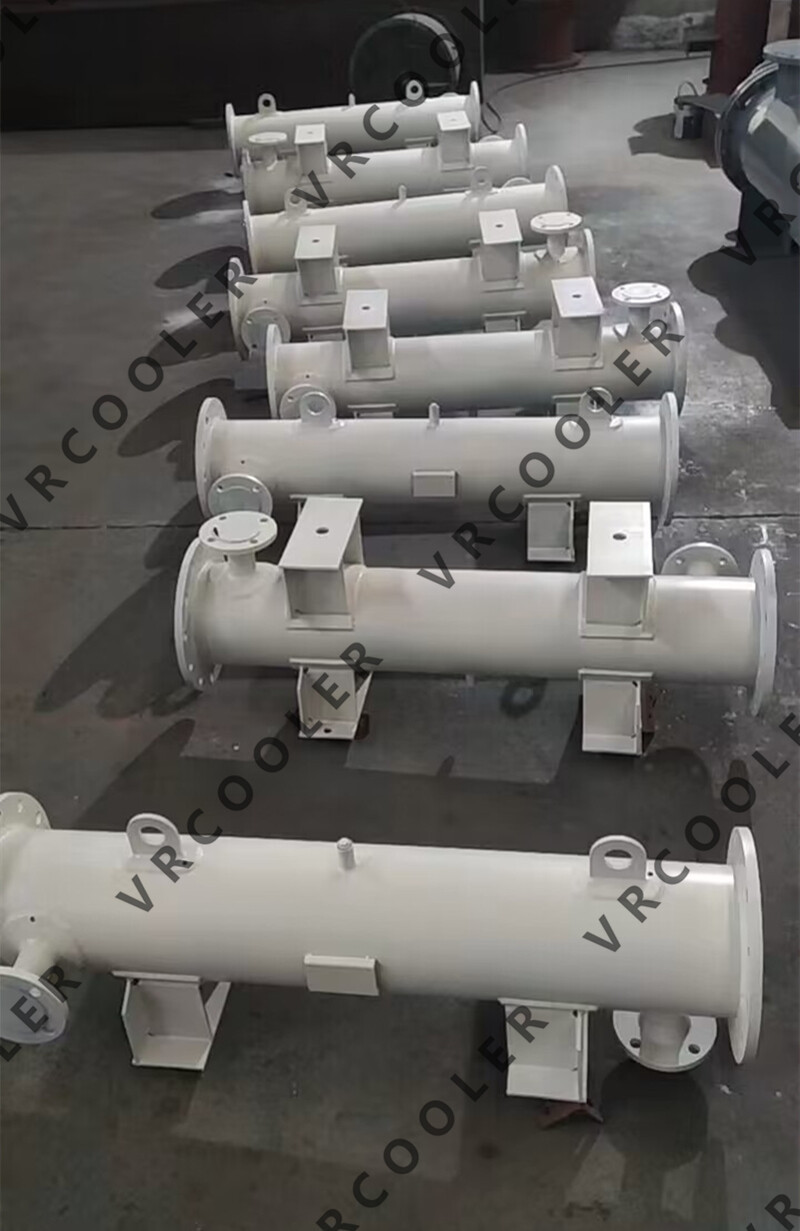
In large temperature difference heat exchange systems, the metal structure experiences substantial expansion and contraction due to temperature variations between the hot and cold fluids. Shell and tube heat exchangers are specifically designed to manage this challenge by using robust shell structures and carefully engineered tube bundles. These features ensure the equipment can maintain stability even when exposed to extreme thermal loads. - Flexible configurations reducing thermal stress
To cope with large thermal gradients, many shell and tube heat exchangers incorporate design elements such as floating heads or expansion joints. These features allow components to expand and contract independently, preventing excessive mechanical stress from accumulating within the structure. - Stable operation during temperature fluctuations
Industrial systems rarely operate at constant conditions. Temperature changes caused by process adjustments or varying loads can create additional stress. The strong structural design of shell and tube exchangers helps absorb these variations while maintaining operational stability. - Long-term reliability under demanding conditions
Because of their durable design and adaptability to thermal movement, shell and tube heat exchangers are well suited for applications involving large temperature differences over long operating periods.
Thermal Driving Force Enhancing Heat Transfer Efficiency
- Large temperature gradients increasing heat transfer potential
Heat transfer is driven by temperature difference. When the temperature gap between two fluids is large, the driving force for heat transfer becomes stronger. This allows shell and tube heat exchangers to achieve higher thermal performance compared with systems operating under smaller temperature differences. - Tube bundle arrangement improving heat exchange effectiveness
The arrangement of tubes within the shell is carefully optimized to maximize heat transfer surface area while ensuring proper fluid flow distribution. This design helps utilize the available temperature difference effectively. - Baffle design promoting fluid turbulence
Baffles installed inside the shell guide the fluid across the tube bundle in multiple passes. This creates turbulence, which improves heat transfer by continuously mixing the fluid and reducing thermal resistance near the tube surface. - Consistent heat exchange across the entire exchanger
Proper flow distribution ensures that both fluids interact effectively across the entire heat transfer area, preventing localized hot spots or inefficient regions.
Evaporation Dynamics in High Temperature Difference Systems
- Accelerated phase change process
When the temperature difference between the heating medium and refrigerant is large, the evaporation process occurs more rapidly. This allows the evaporator to absorb heat quickly and convert liquid refrigerant into vapor efficiently. - High cooling capacity for demanding processes
Industrial refrigeration and process cooling systems often require rapid removal of heat. Large temperature difference evaporators can deliver high cooling capacity within relatively compact equipment. - Stable boiling conditions with proper design
Although large temperature gradients can accelerate evaporation, careful design ensures that the boiling process remains controlled and evenly distributed across the heat transfer surface. - Responsive performance during load changes
Because of the strong heat transfer driving force, the evaporator can respond quickly to variations in system demand, helping maintain stable process temperatures.
Condensation Efficiency in Large Gradient Heat Exchange
- Rapid heat removal from refrigerant vapor
In condenser operation, high temperature refrigerant vapor releases heat to a cooler medium such as water or air. When the temperature difference is large, this heat transfer occurs more rapidly. - Efficient condensation improving system stability
Fast and efficient condensation helps maintain a balanced refrigeration cycle by ensuring that refrigerant returns to the liquid phase reliably. - Reduced pressure load on compressors
Efficient condensation lowers system pressure levels, which can reduce the energy required for compressor operation. - Improved reliability during continuous operation
In large industrial refrigeration systems that operate around the clock, reliable condensation performance is essential for maintaining overall system stability.
Practical Application in Industrial Process Cooling
- Project background and cooling requirements
A manufacturing facility required a heat exchanger capable of cooling a high-temperature process fluid using relatively low-temperature cooling water. The temperature difference between the two fluids was substantial. - Customized shell and tube exchanger solution
Engineers designed a shell and tube evaporator condenser optimized for large temperature differences. The equipment included reinforced structural components and an optimized tube bundle layout. - Performance improvements after installation
After the system was installed, the plant experienced improved cooling efficiency and more stable process temperature control. - Operational advantages achieved by the customer
The improved heat transfer efficiency allowed the facility to increase production capacity while reducing operational disruptions and maintenance requirements.
Expanding Roles in Modern Thermal Management Systems
- Industrial refrigeration and cold storage facilities
Large temperature difference evaporators are widely used in cold chain logistics, food storage warehouses, and processing plants. - Chemical and petrochemical industries
Many chemical reactions generate high levels of heat that must be removed quickly and efficiently. - Energy recovery and waste heat utilization
Shell and tube heat exchangers help recover energy from high-temperature industrial streams and reuse it within the process. - Power generation and heavy manufacturing
In large industrial plants, heat exchangers capable of handling extreme temperature gradients play a crucial role in maintaining safe and efficient thermal management systems.
