
In fertilizer production plants, synthesis gas (syngas) plays a vital role in the manufacturing of ammonia, urea, and other nitrogen-based fertilizers. Due to the high temperature, high pressure, and corrosive nature of syngas, reliable and efficient heat transfer equipment is essential. Shell and tube heat exchangers are the preferred solution for fertilizer syngas cooling, heating, and heat recovery, offering proven durability, safety, and thermal performance.
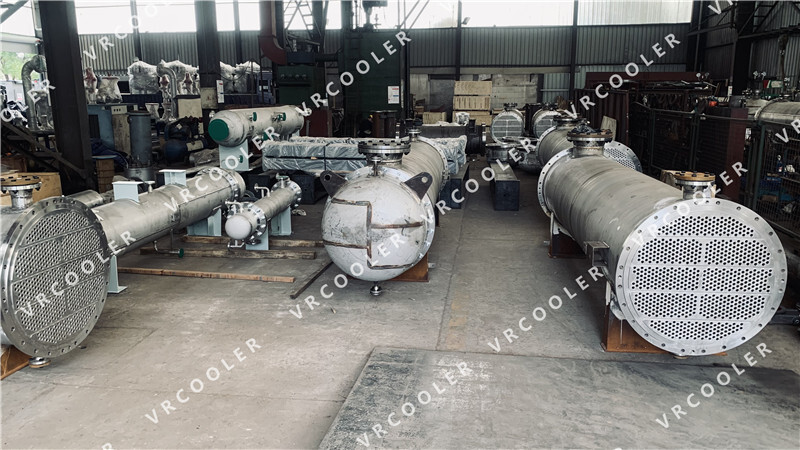
Role of Heat Exchangers in Fertilizer Syngas Processes
Syngas in fertilizer plants is typically produced through steam methane reforming (SMR), partial oxidation (POX), or autothermal reforming (ATR). The raw syngas exits the reformer at temperatures often exceeding 800–1000°C, requiring controlled heat recovery and cooling before downstream processes such as shift conversion, CO₂ removal, and ammonia synthesis.
Shell and tube heat exchangers are widely used for:
Syngas waste heat recovery
High-temperature syngas cooling
Feed gas preheating
Steam generation from syngas heat
Inter-stage cooling in shift reactors
Why Shell and Tube Heat Exchangers Are Ideal for Syngas
Shell and tube heat exchangers are specifically suited to fertilizer syngas service because they can handle extreme operating conditions and aggressive process media.
Key advantages include:
High pressure resistance on both shell and tube sides
Excellent thermal stress management through expansion joints or floating heads
Flexible material selection for corrosive and high-temperature syngas
Easy maintenance and tube bundle replacement
Long service life in continuous fertilizer plant operation
Typical Design Features for Fertilizer Syngas Service
Shell and tube heat exchangers used in syngas applications are custom-engineered to meet stringent process requirements.
Common design characteristics include:
Heavy-duty shells designed according to ASME, TEMA, or PED standards
Thick-wall alloy steel or stainless steel tubes
Fixed tube sheet, U-tube, or floating head configurations
Optimized baffle design for high heat transfer and low pressure drop
Expansion joints to accommodate large temperature differentials
Material Selection for Syngas Heat Exchangers
Syngas contains components such as hydrogen, carbon monoxide, carbon dioxide, steam, and trace sulfur compounds, which demand careful material selection.
Typical materials include:
Carbon steel for moderate temperatures and clean syngas
Stainless steel (304/316/321/347) for improved corrosion resistance
Cr-Mo alloy steels for high-temperature reformer outlet syngas
Nickel-based alloys for severe conditions and sulfur-bearing syngas
Material selection ensures resistance to hydrogen embrittlement, high-temperature oxidation, and corrosion.
Applications in Fertilizer Plants
Shell and tube heat exchangers for syngas are widely applied throughout fertilizer facilities, including:
Primary and secondary reformer syngas cooling
Waste heat boilers and syngas heat recovery units
High- and low-temperature shift reactor intercoolers
CO₂ removal system heat exchangers
Ammonia synthesis loop heat recovery
Energy Efficiency and Heat Recovery
Efficient syngas heat recovery is critical to reducing overall energy consumption in fertilizer plants. Shell and tube heat exchangers enable:
Steam generation for plant utilities
Preheating of boiler feedwater or process gases
Lower fuel consumption in reformers
Reduced carbon footprint and operating costs
Proper exchanger design can significantly improve the thermal efficiency of the entire fertilizer production process.
Custom Engineering and Quality Assurance
Each fertilizer syngas heat exchanger is custom-designed based on process parameters such as temperature, pressure, gas composition, and fouling tendency. Rigorous quality control includes:
Non-destructive testing (NDT)
Hydrostatic and pneumatic pressure testing
Material traceability and certification
Performance and thermal calculations
