
Purpose and Process Role in Hydrocracking Systems
Shell and tube heat exchangers are critical for managing heat flow and maintaining energy balance throughout the hydrocracking process.
Feed Preheating and Heat Integration
In hydrocracking units, shell and tube heat exchangers are commonly used to preheat heavy feedstock by recovering heat from hot reactor effluent. This heat integration reduces the load on fired heaters, lowers fuel consumption, and improves overall unit efficiency while maintaining stable feed temperatures entering the reactor.
Reactor Effluent Cooling and Temperature Control
After the hydrocracking reaction, high-temperature effluent must be cooled before further separation and processing. Shell and tube heat exchangers provide controlled and efficient cooling, ensuring safe operation of downstream equipment and protecting process stability.
Design Characteristics for Severe Refining Conditions
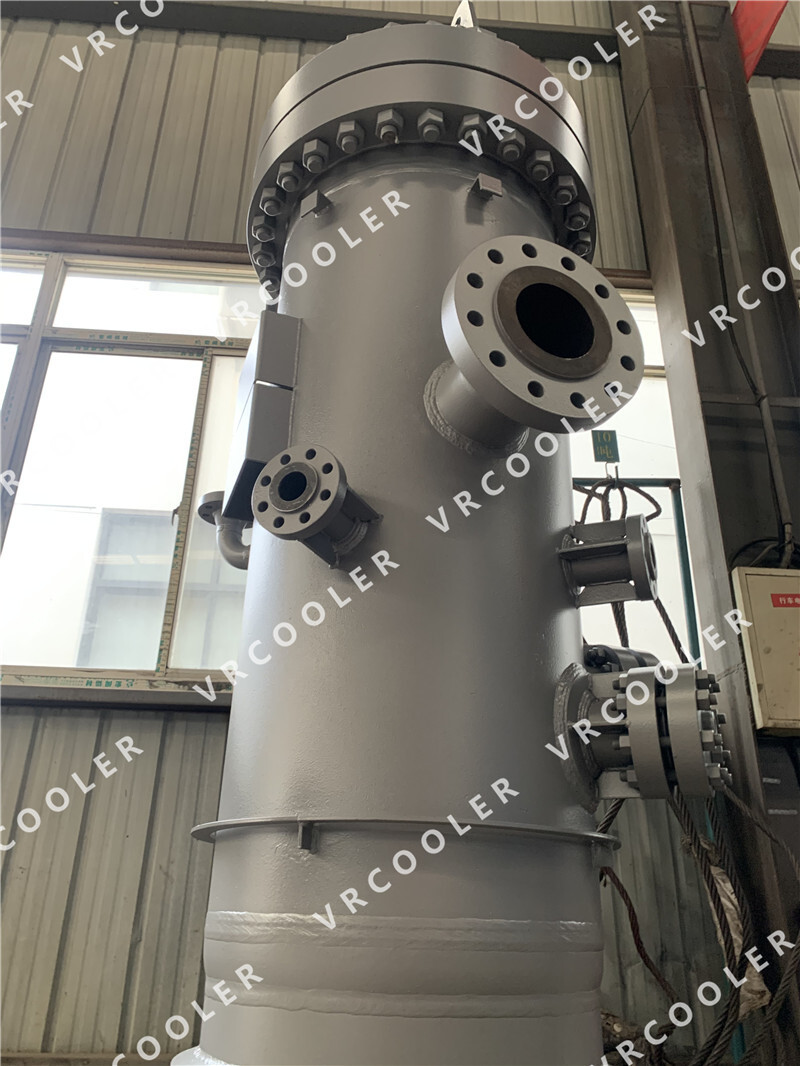
Shell and tube heat exchangers designed for hydrocracking applications feature heavy-duty construction to withstand high operating pressures, elevated temperatures, and hydrogen-rich environments. Materials are carefully selected to resist corrosion, hydrogen attack, and thermal fatigue. The mechanical design allows for differential thermal expansion and continuous operation, ensuring long-term reliability in demanding refinery conditions.
Key Advantages in Hydrocracking Applications
Shell and tube heat exchangers offer proven advantages that make them suitable for critical downstream refinery services.
High Mechanical Strength and Long-Term Stability
The robust shell-and-tube structure ensures stable performance under fluctuating pressure and temperature conditions, supporting continuous and safe hydrocracking operation.
Ease of Inspection and Maintenance
The design allows for convenient inspection, cleaning, and maintenance of tube bundles, minimizing downtime and extending equipment service life.
Energy Efficiency and Heat Recovery Opportunities
In hydrocracking units, effective heat recovery is essential for reducing operating costs. Shell and tube heat exchangers enable efficient transfer of waste heat from hot process streams to colder feeds, improving overall energy utilization. Proper heat exchanger design helps refineries reduce fuel consumption, lower emissions, and meet increasingly strict energy efficiency requirements.
Practical Application Fields in Refinery Downstream Units
Hydrocracking Process Units
Installed in feed-effluent exchangers, reactor effluent coolers, and fractionation support systems within hydrocracking units.
High-Pressure Hydrogen Circulation Systems
Applied in hydrogen-rich loops where reliable heat transfer under high pressure is critical.
Integrated Refinery Heat Exchanger Networks
Used as key components in refinery heat integration systems to maximize energy recovery across multiple downstream processing units.
