
Where Heat Exchange Matters Most in Hydrogen Plants
In downstream hydrogen plants, shell and tube heat exchangers are involved in multiple key process steps, ensuring temperature stability and safe operation.
Cooling Hydrogen After Reaction and Purification
After hydrogen generation or purification, shell and tube heat exchangers are used to cool hydrogen streams to suitable temperatures, protecting compressors, dryers, and downstream equipment.
Heating and Temperature Control for Process Media
They are also applied to heat feed gases, process water, or auxiliary fluids, ensuring optimal conditions for hydrogen treatment and handling.
Design Features Tailored for Hydrogen Service
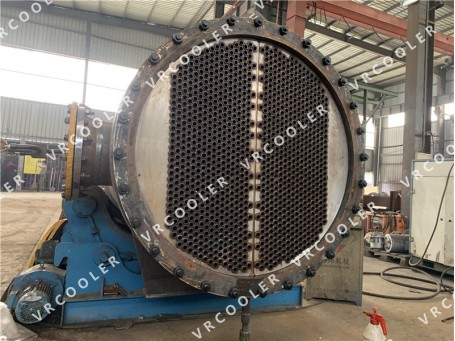
Shell and tube heat exchangers used in hydrogen plants are designed to operate under high pressure and temperature conditions, often in hydrogen-rich environments. Careful material selection helps resist hydrogen embrittlement and corrosion, while optimized mechanical design ensures long-term reliability and safe operation during continuous plant duty.
Why Shell and Tube Heat Exchangers Fit Hydrogen Plants Well
The shell and tube configuration offers a balance of strength, flexibility, and operational confidence that aligns well with hydrogen plant requirements.
High Safety Margin and Operational Stability
Their robust structure provides reliable performance under pressure fluctuations, supporting safe hydrogen processing.
Long Service Life with Manageable Maintenance
Simple construction allows for easier inspection, cleaning, and maintenance, reducing downtime and lifecycle costs.
Improving Energy Performance Through Heat Recovery
Shell and tube heat exchangers enable effective recovery of waste heat from reactors, compressors, and hot process streams. Recovered heat can be reused for feed preheating or auxiliary heating, improving overall plant energy efficiency and supporting low-energy, low-emission hydrogen production.
Practical Application Areas in Downstream Hydrogen Plants
Hydrogen Purification and Separation Units
Used to manage heat in PSA systems, membrane separation units, and other purification processes.
Hydrogen Compression and Cooling Systems
Applied after compression stages to control hydrogen temperature before storage or transport.
Hydrogen Storage and Distribution Facilities
Installed in systems preparing hydrogen for pipeline injection or downstream utilization.
Integrated Hydrogen Production and Chemical Plants
Used across hydrogen units connected to refineries, ammonia plants, and chemical processing facilities.
