
Why Temperature Control Matters in Hydrogen Pipeline Decarbonization
Hydrogen Is Sensitive to Thermal Fluctuations
In hydrogen pipeline transmission, temperature directly affects gas density, pressure stability, and flow efficiency. Uncontrolled temperature changes may lead to material stress, energy loss, or safety risks.
Supporting Stable and Efficient Transmission
Shell and tube heat exchangers are used to:
Preheat or cool hydrogen streams
Stabilize inlet and outlet temperatures
Protect downstream compressors, valves, and metering systems
Their stable thermal performance supports continuous and safe hydrogen transport.
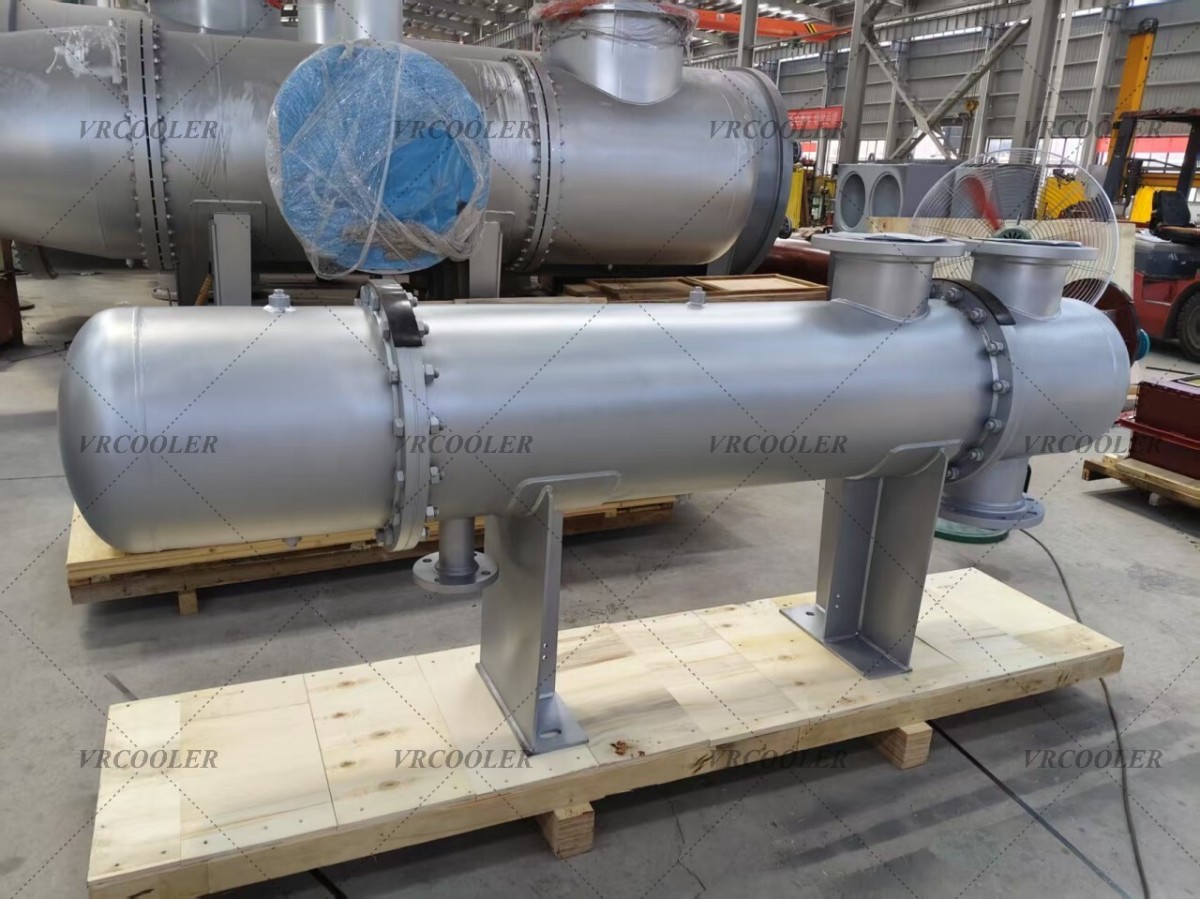
Designed for Hydrogen Service and Low Carbon Projects
Materials and Structural Reliability
For hydrogen pipeline applications, shell and tube heat exchangers are designed with:
High-quality carbon steel or stainless steel shells
Hydrogen-compatible tube materials
Reliable welding and pressure-tested construction
This ensures resistance to hydrogen permeation, pressure fluctuation, and long-term fatigue.
Pressure and Safety Considerations
The shell-and-tube structure provides:
Excellent pressure resistance
Clear separation of process and utility sides
Compliance with international pipeline and energy standards
Performance Advantages in Decarbonization Projects
Adaptability to Various Operating Conditions
Hydrogen pipeline systems may experience changing flow rates and temperatures. Shell and tube heat exchangers handle:
Variable operating loads
Continuous operation cycles
Seasonal temperature changes
Proven and Mature Technology
Compared with compact exchangers, shell and tube designs offer:
Easier inspection and maintenance
Higher tolerance to impurities
Longer service life
These advantages make them suitable for large-scale decarbonization infrastructure.
Energy Efficiency and Heat Recovery Opportunities
Recovering Valuable Process Heat
In hydrogen pipelines, heat exchangers can recover waste heat from:
Compression stages
Hydrogen drying or purification units
Auxiliary systems
Recovered heat can be reused for preheating incoming gas or supporting other process units.
Reducing Overall Carbon Footprint
By improving heat utilization:
Energy consumption is reduced
Operating costs are lowered
Carbon emissions are indirectly minimized
This aligns perfectly with the goals of decarbonization and green hydrogen development.
Where Shell and Tube Heat Exchangers Are Applied in H2 Pipeline Systems
Upstream and Midstream Hydrogen Networks
Typical applications include:
Hydrogen transmission pipelines
Blending stations for hydrogen and natural gas
Pressure regulation and metering stations
Integration with Green Hydrogen Production
They are also used downstream of:
Electrolyzers
Hydrogen purification units
Compression and storage systems
Supporting Future Hydrogen Infrastructure
As hydrogen pipelines expand globally, shell and tube heat exchangers remain a reliable and flexible solution for long-distance, low-carbon energy transport.
