
Shell and tube heat exchangers are a core thermal management solution in biodiesel plants, supporting efficient heat transfer across multiple stages of production. From feedstock preheating and transesterification temperature control to glycerin separation and final biodiesel cooling, these exchangers provide the robustness, flexibility, and reliability required in continuous and batch biodiesel processes.
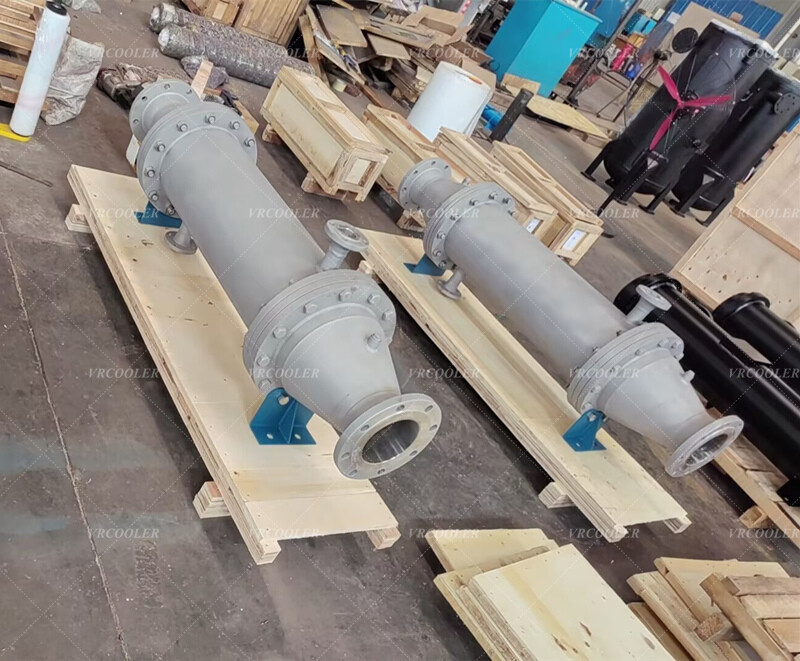
Role of Heat Exchangers in Biodiesel Production
Biodiesel production involves precise temperature control to ensure high reaction efficiency, consistent fuel quality, and stable plant operation. Shell and tube heat exchangers are widely used in:
Feedstock preheating (vegetable oils, animal fats, used cooking oil)
Methanol and catalyst heating
Transesterification reactor temperature control
Glycerin cooling and heat recovery
Biodiesel washing and drying stages
Final biodiesel cooling before storage
Their ability to handle viscous fluids, phase changes, and variable operating conditions makes them particularly suitable for biodiesel plants.
Why Shell and Tube Heat Exchangers Are Preferred for Biodiesel
1. Compatibility with High-Viscosity Fluids
Biodiesel feedstocks often have high viscosity, especially at lower temperatures. Shell and tube designs allow:
Larger flow passages
Higher turbulence with proper baffle design
Reduced fouling risk compared to compact exchangers
This ensures stable heat transfer even when processing waste oils or animal fats.
2. Wide Material Selection for Corrosion Resistance
Biodiesel processes involve methanol, free fatty acids, water, and catalysts that can be corrosive. Shell and tube heat exchangers can be manufactured using:
Carbon steel for non-corrosive duties
Stainless steel (SUS304 / SUS316L) for methanol and biodiesel contact
Duplex or special alloys for aggressive environments
Material flexibility extends service life and reduces maintenance costs.
3. High Thermal Efficiency and Process Stability
With customizable tube layouts, baffle spacing, and flow configurations (counter-current or multi-pass), shell and tube exchangers deliver:
Stable outlet temperatures
Consistent reaction conditions
Improved biodiesel yield and quality
This stability is critical for meeting ASTM D6751 and EN 14214 biodiesel standards.
4. Easy Maintenance and Cleaning
Fouling from oils, soaps, or residues is common in biodiesel plants. Shell and tube heat exchangers offer:
Mechanical cleaning of tube bundles
Removable tube bundles for inspection
Long operational life with proper maintenance
This is especially important for plants using variable-quality feedstocks.
Typical Design Configurations for Biodiesel Plants
Common shell and tube heat exchanger configurations include:
Fixed tube sheet exchangers for stable, clean process streams
U-tube exchangers to accommodate thermal expansion
Floating head exchangers for severe fouling or frequent cleaning
Design parameters are tailored based on flow rate, temperature range, pressure, viscosity, and fouling factor.
Energy Efficiency and Heat Recovery
In modern biodiesel plants, shell and tube heat exchangers are also used for heat recovery, such as:
Using hot biodiesel to preheat incoming feedstock
Recovering heat from glycerin streams
Reducing steam or thermal oil consumption
This improves overall plant energy efficiency and lowers operating costs.
Applications Across Biodiesel Plant Sections
Conclusion
Shell and tube heat exchangers are a proven and dependable solution for biodiesel production, offering durability, thermal efficiency, and adaptability to challenging process conditions. Their ability to handle viscous fluids, corrosive media, and continuous operation makes them an essential component in both small-scale and industrial biodiesel plants. By selecting the right materials and design configuration, producers can achieve stable operation, improved energy efficiency, and long-term reliability.
