
Process Duties and Typical Uses in Gas Processing Systems
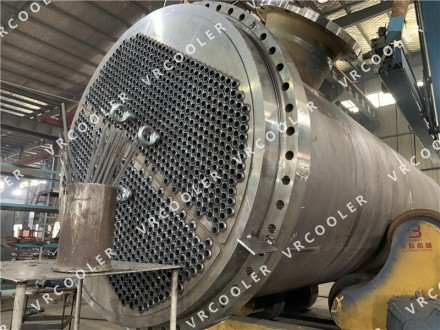
Shell and tube heat exchangers are used throughout gas processing plants to manage heat across multiple process stages.
Gas Cooling After Compression
After compression, natural gas must be cooled to protect downstream equipment and maintain stable operating conditions. Shell and tube heat exchangers provide controlled and efficient cooling for this purpose.
Heating for Dehydration and Separation
They are also applied to heat gas streams prior to dehydration or separation processes, improving process efficiency and preventing hydrate formation.
Design Features Tailored for Gas Processing Conditions
Shell and tube heat exchangers for midstream gas processing are designed to handle high pressures, variable temperatures, and complex gas compositions. Optimized flow paths and appropriate material selection ensure resistance to corrosion, erosion, and thermal stress, enabling stable operation in continuous-duty environments.
Key Advantages for Midstream Gas Processing Applications
Shell and tube heat exchangers offer proven benefits that make them suitable for critical midstream operations.
Reliable Operation Under Fluctuating Process Conditions
The robust structure allows stable performance even with changes in gas flow rates and operating pressures.
Easy Maintenance and Long Service Life
Their simple and accessible design enables easy inspection, cleaning, and maintenance, reducing downtime and lifecycle costs.
Energy Efficiency and Heat Recovery Opportunities
Shell and tube heat exchangers enable effective heat recovery between hot and cold gas streams or process fluids. By integrating waste heat recovery into gas processing systems, operators can reduce fuel consumption, improve overall energy efficiency, and support emission reduction initiatives.
Practical Application Fields in Midstream Gas Processing
Gas Gathering and Processing Plants
Used in gas cooling, heating, and conditioning systems at centralized processing facilities.
Compressor Stations and Pipeline Facilities
Installed upstream or downstream of compressors to control gas temperature before pipeline transport.
Dehydration and Sweetening Units
Applied in systems designed to remove water, CO₂, and H₂S from natural gas.
NGL Recovery and Separation Units
Used to manage heat transfer in natural gas liquids recovery processes.
