
How Does a Shell and Tube Evaporator Work
Basic Working Principle
A shell and tube evaporator operates by transferring heat from a heating medium (such as steam or hot water) on one side to the process fluid on the other side. As the liquid absorbs heat through the tube walls, it reaches its boiling point and changes phase from liquid to vapor.
Typical Heat Transfer Process
The heating medium usually flows through the shell side, while the process liquid flows inside the tubes. This configuration allows uniform heat distribution and stable boiling conditions, ensuring controlled evaporation and efficient thermal utilization.
Role of Stainless Steel Structure
Stainless steel materials provide excellent corrosion resistance, hygiene performance, and thermal stability, making the evaporator suitable for aggressive fluids, high-purity processes, and continuous industrial operation.
Where Is It Used Practical Application Examples
Chemical Industry
Shell and tube stainless evaporators are used for solvent recovery, concentration of chemical solutions, and separation of volatile components.
Food and Beverage Processing
They are applied in milk concentration, juice evaporation, sugar solution concentration, and flavor extraction, where hygiene and corrosion resistance are critical.
Pharmaceutical and Biotechnology
Evaporators support solvent removal, API concentration, and fermentation broth processing under controlled temperature conditions.
Energy and Environmental Systems
They are used in waste liquid treatment, thermal recycling systems, and desalination pre-treatment processes.
Structural and Technical Features
Multiple Structural Forms
Shell and tube evaporators can be designed as:
Vertical or horizontal types
Single-effect or multi-effect systems
Falling film, rising film, or forced circulation evaporators
This flexibility allows adaptation to different processes and space conditions.
Strong Pressure and Temperature Resistance
Compared with other evaporator types, shell and tube structures can withstand higher pressure and temperature, making them suitable for demanding industrial environments.
Modular Design
Tube bundles can be customized in length, diameter, and layout to meet specific heat load and process requirements.
Why Choose Shell and Tube Evaporators
High Reliability
Shell and tube designs are mechanically robust and proven in decades of industrial use, ensuring stable long-term operation.
Wide Media Compatibility
They can handle water, solvents, oils, chemical solutions, and even viscous or contaminated fluids.
Easy Customization
Design parameters such as heat transfer area, material selection, and flow pattern can be adjusted for each application.
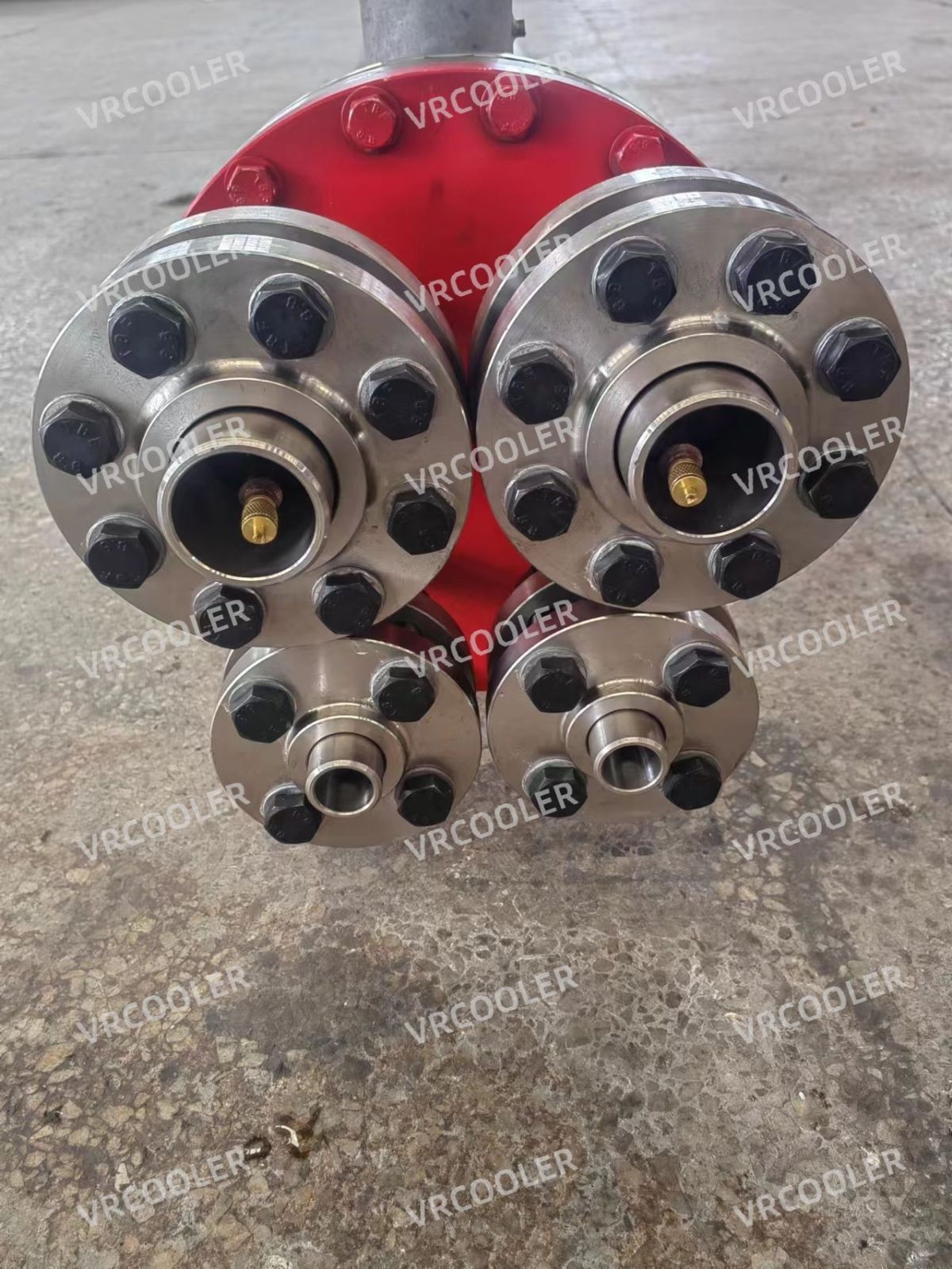
Heat Transfer Efficiency and Main Application Fields
Excellent Heat Transfer Performance
With large heat exchange surfaces and optimized flow distribution, shell and tube evaporators achieve high thermal efficiency and stable evaporation rates.
Key Application Fields
Shell and tube stainless evaporators are widely used in:
Chemical and petrochemical plants
Food and dairy factories
Pharmaceutical production lines
Energy recovery systems
Environmental treatment facilities
Core Equipment in Process Systems
They often serve as critical units in concentration systems, distillation systems, and thermal recovery loops.
Daily Maintenance and Long-Term Operation
Regular Cleaning
Scaling and fouling should be removed periodically to maintain heat transfer efficiency.
Inspection of Sealing and Tubes
Gaskets, flanges, and tube connections should be checked for leakage or corrosion.
Preventive Maintenance
Monitoring temperature, pressure, and flow rates helps detect performance degradation early and ensures stable long-term operation.
One Structure Multiple Possibilities
The stainless shell and tube evaporator demonstrates how one classic heat exchanger structure can support countless industrial applications. From chemical processing to food production and energy systems, its flexibility, reliability, and efficiency make it one of the most versatile thermal solutions in modern industry.
