
Marine tank cleaning is a demanding process that requires stable heat, reliable equipment, and materials that can withstand a harsh working environment. On chemical tankers, product tankers, offshore support vessels, and other specialized ships, effective tank cleaning is essential for cargo changeover, contamination control, hygiene, safety, and compliance. In these systems, the heater plays a critical role because cleaning performance depends heavily on maintaining the right temperature for wash water or cleaning solution. That is why stainless steel tank cleaning heaters are widely used in marine tank cleaning systems.
A tank cleaning heater is designed to raise the temperature of water or cleaning liquid before it is delivered to spray heads, butterworth machines, or other tank washing equipment. Heat makes a major difference during cleaning. It helps dissolve oily residues, soften waxy deposits, improve detergent action, and reduce cleaning time. In marine service, where tanks may carry heavy oils, chemicals, edible liquids, or mixed cargoes over time, a properly designed heater can make the difference between a slow, inefficient wash cycle and a fast, effective cleaning operation.
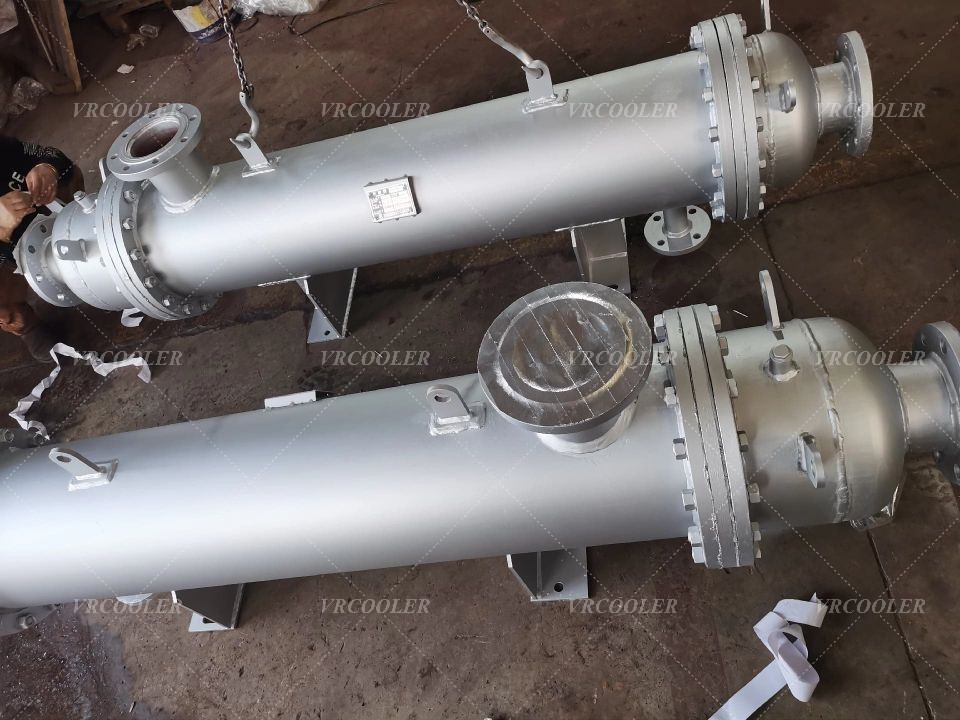
Stainless steel is one of the most suitable materials for this kind of heater because marine conditions are aggressive. Salt air, humid engine room environments, hot water, cleaning chemicals, and repeated thermal cycling all place stress on the equipment. A carbon steel heater may be more vulnerable to corrosion over time, especially if the system handles warm water and chemical additives. Stainless steel offers better resistance to rust, scaling, and chemical attack, which helps extend service life and maintain cleaner internal surfaces. For shipowners and marine system builders, this means more reliable operation and lower maintenance risk.
In practical marine applications, stainless steel tank cleaning heaters are often used to heat seawater, fresh water, or treated cleaning solutions before they enter the tank cleaning line. The exact design depends on the vessel type and the cleaning duty. Some systems use steam as the heating medium, while others use thermal oil, hot water, or electric heating. Among these options, steam-heated stainless steel units are especially common on ships because steam is often already available from the vessel’s boiler system. The heater then works as a compact heat exchanger, transferring heat efficiently from the steam side to the cleaning liquid side.
Design quality matters a great deal in these systems. A marine tank cleaning heater must be able to handle not only the required temperature rise, but also the pressure, flow rate, and operating conditions onboard. Space is usually limited, so the unit should be compact and easy to install. It also needs to tolerate vibration, ship motion, and frequent use. For this reason, many marine heaters are custom designed rather than selected as standard off-the-shelf equipment. Tube material, shell material, connection size, heat transfer area, and mounting arrangement may all be adapted to the vessel and cleaning system layout.
Stainless steel construction also supports better cleanliness, which is especially important for ships carrying food-grade cargo, chemicals, or products where cross-contamination must be minimized. Smooth stainless steel surfaces are easier to clean and less likely to trap residue than poorly protected carbon steel surfaces. In repeated cargo change operations, this becomes an important advantage. A well-built stainless steel heater helps the entire cleaning system operate more consistently and supports better tank preparation between cargoes.
Another major advantage is long-term durability. Marine equipment is expected to work reliably over many years, often with limited time available for repair when the vessel is in service. A stainless steel tank cleaning heater offers better resistance to internal corrosion, external moisture exposure, and temperature-related stress. This helps reduce leakage risk and improves operational confidence, which is important for both safety and cost control. For operators, reliability is not just a technical issue. It affects cleaning turnaround time, port schedules, and overall vessel productivity.
From an engineering point of view, heater selection should always be based on actual working conditions. Important design factors include liquid type, required inlet and outlet temperatures, heating medium, flow rate, pressure drop allowance, material compatibility, and installation space. In some cases, stainless steel 304 may be suitable, while in more demanding conditions stainless steel 316 or other upgraded materials may be preferred for better corrosion resistance. For marine applications involving aggressive cleaning agents or salty service conditions, the material choice should be made carefully rather than only on initial price.
Stainless steel tank cleaning heaters are commonly used in cargo tank cleaning systems, slop tank cleaning, chemical tanker wash systems, fuel and oil tank cleaning, and deck-mounted or skid-mounted marine cleaning packages. They can be supplied as shell-and-tube heaters, compact tubular heat exchangers, or other customized heat exchanger designs depending on shipboard requirements. In many projects, OEM and replacement units are manufactured according to drawings, samples, or actual vessel operating data, so that the new heater matches the existing piping and performance requirements.
For marine operators, the value of a good tank cleaning heater is easy to understand. Faster heating means faster cleaning. Better temperature control means better removal of residues. Stronger corrosion resistance means longer service life and fewer maintenance problems. In a marine environment where equipment must work hard and space is always limited, a stainless steel tank cleaning heater is a practical and dependable solution.
As tank cleaning standards continue to rise across the shipping industry, the demand for efficient and durable heating equipment also grows. Stainless steel tank cleaning heaters remain a strong choice because they combine heat transfer performance, corrosion resistance, hygienic construction, and marine reliability in one piece of equipment. When properly designed for the vessel and the cleaning duty, they help marine tank cleaning systems work more effectively, more safely, and with greater long-term value.
