
Compact Appearance Designed for Industrial Durability
Strong Cylindrical Structure with Internal Separation Elements
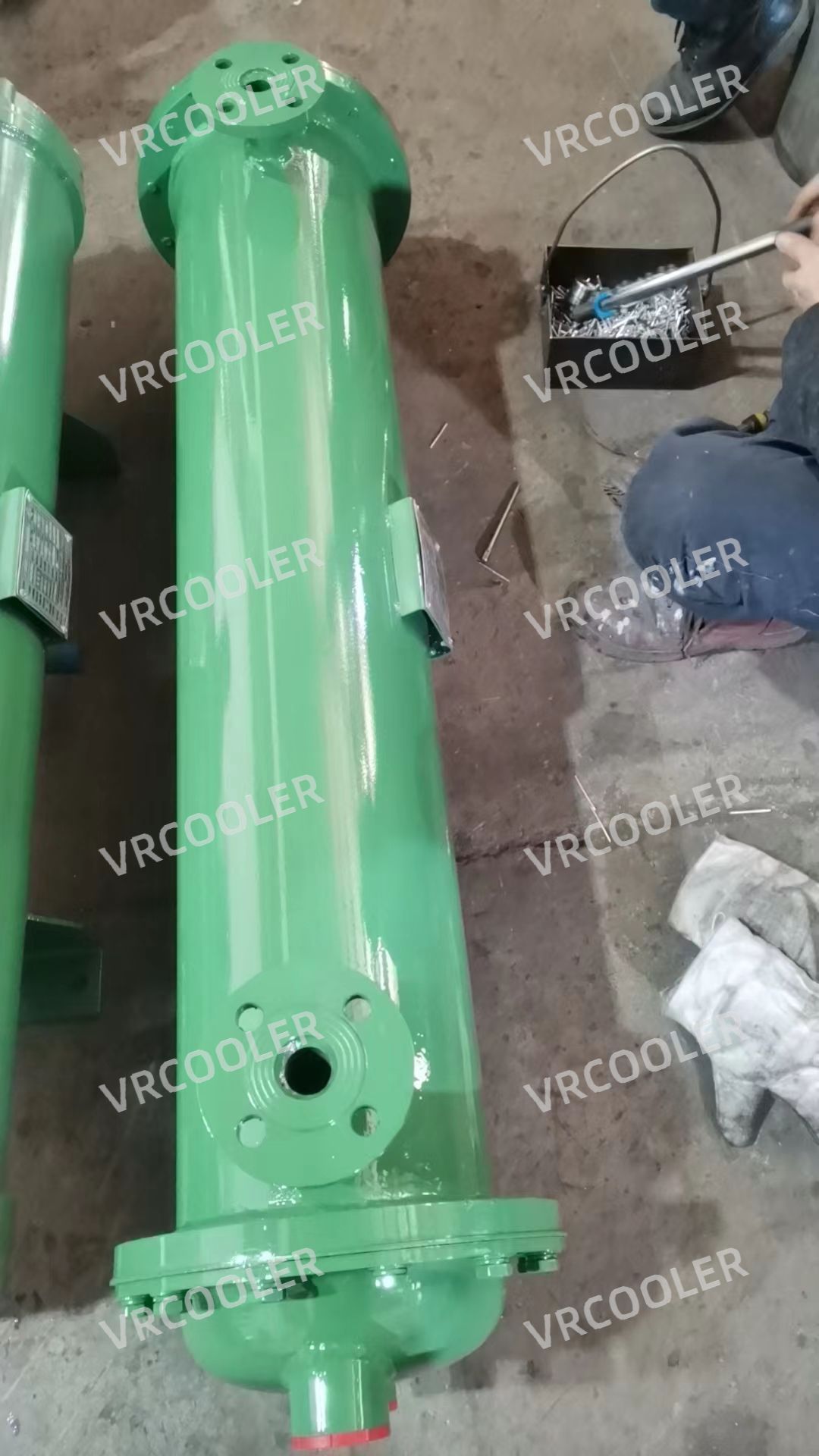
A typical steam separator features a pressure-resistant cylindrical body with specially designed internal baffles, demister pads, or cyclone components. This structure enables efficient removal of entrained water while maintaining smooth steam flow.
Easy Installation and Flexible Connections
Available in vertical or horizontal configurations, steam separators can be customized with flanged, threaded, or welded connections to match different piping systems.
How Steam Separation Actually Works
Mechanical Separation Through Velocity Control
When wet steam enters the separator, internal components slow down and redirect the flow. Water droplets lose momentum and are forced to fall to the bottom of the vessel.
Collection and Discharge of Condensate
Separated condensate is collected in a drain chamber and removed through automatic traps, ensuring that only dry steam continues to downstream equipment.
Continuous Protection for Process Systems
This process operates continuously without external power, providing stable and reliable steam quality improvement.
Where Steam Separators Play a Critical Role
Protecting Steam Turbines and Generators
Dry steam is essential for turbine efficiency and safety. Steam separators prevent water droplets from entering turbines and causing blade erosion or vibration problems.
Supporting Heat Exchange and Process Equipment
In heat exchangers, humid steam can reduce heat transfer performance. Separators ensure consistent thermal efficiency by delivering high-quality steam.
Improving Boiler and Distribution Networks
Installed in steam headers and distribution pipelines, separators help remove condensate carryover and stabilize entire steam systems.
Technical Features That Ensure Reliable Operation
High Separation Efficiency
Optimized internal designs achieve excellent moisture removal rates even under variable steam flow conditions.
Wide Operating Range
Steam separators are suitable for high-pressure, high-temperature, and large-capacity steam systems commonly found in industrial plants.
Durable Materials and Construction
Manufactured from carbon steel, stainless steel, or special alloys, they can withstand harsh environments and long-term continuous service.
Clear Advantages for Industrial Users
Improved Steam Quality and Process Stability
By delivering dry steam, separators enhance equipment performance, reduce process fluctuations, and improve overall system reliability.
Protection of Downstream Equipment
Effective moisture removal prevents corrosion, erosion, and water hammer, extending the service life of valves, pipes, and turbines.
Low Operating and Maintenance Cost
With no moving parts and simple structure, steam separators provide long-term benefits with minimal maintenance requirements.
Better Energy Utilization in Steam Systems
Reduced Heat Loss and Higher Efficiency
Dry steam transfers heat more effectively, allowing boilers and heat exchangers to operate at higher efficiency.
Opportunity for Condensate Recovery
Separated hot condensate can be returned to the boiler system, reducing water and energy consumption.
Practical Tips for Daily Maintenance
Regular Inspection of Drains and Traps
Ensuring that condensate discharge lines and steam traps work properly is essential for continuous separation performance.
Periodic Internal Cleaning
Scheduled inspection and cleaning of internal elements help maintain high separation efficiency over time.
Monitoring Pressure Drop
Abnormal pressure drop may indicate fouling or blockage and should be addressed promptly to avoid performance loss.