
Flow induced vibration becoming hidden threat
High velocity fluid creating dynamic forces
In shell and tube heat exchangers, fluid flowing at high velocity can generate dynamic forces on tubes and internal structures. These forces may cause continuous vibration, especially in systems with large flow rates.
Turbulence amplifying vibration intensity
When fluid passes through baffles and tube bundles, turbulence is created. This turbulence can increase vibration intensity, particularly in poorly designed flow paths.
Resonance risk under specific conditions
If the natural frequency of the tubes matches the excitation frequency caused by fluid flow, resonance may occur. This can significantly amplify vibration and lead to rapid damage.
Long term impact on structural integrity
Continuous vibration over time can weaken materials, cause fatigue cracks, and eventually lead to leakage or structural failure.
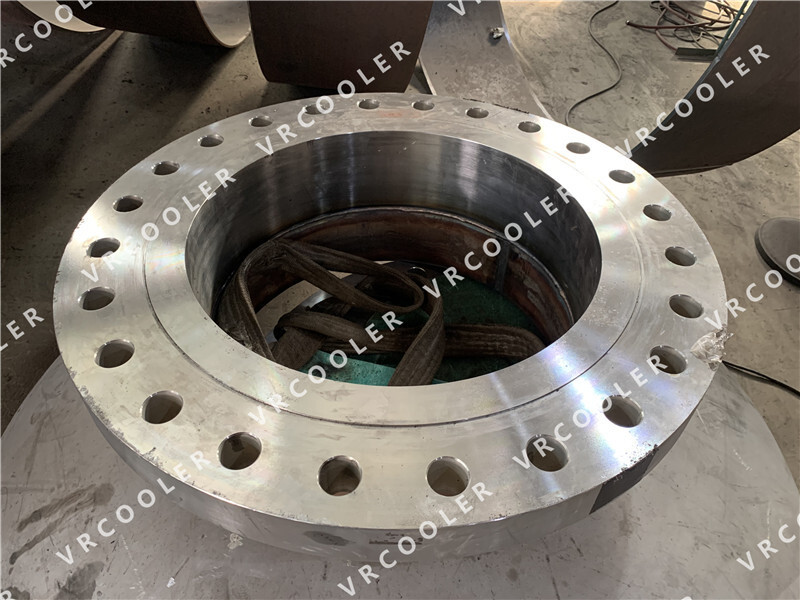
Support structure defining mechanical stability
Tube support preventing excessive movement
Support plates and baffles are used to hold tubes in position, preventing excessive movement caused by fluid forces.
Maintaining alignment of internal components
Proper support ensures that tubes remain aligned, avoiding contact between tubes that could cause wear or damage.
Reinforcement under operating conditions
Support structures are designed to withstand pressure, temperature, and vibration, ensuring stability during operation.
Role in extending equipment lifespan
Well-designed support systems reduce mechanical stress, contributing to longer service life of the exchanger.
Baffle design balancing flow and vibration
Controlling flow direction and velocity
Baffles guide the flow of fluid across the tube bundle, improving heat transfer efficiency while controlling flow velocity.
Reducing unsupported tube span
By placing baffles at appropriate intervals, the unsupported length of tubes is reduced, minimizing vibration amplitude.
Optimizing spacing for performance
Proper baffle spacing is essential to balance heat transfer efficiency and vibration control.
Avoiding excessive pressure drop
While increasing baffle density improves support, it must be balanced to avoid excessive pressure loss.
Anti vibration measures in engineering design
Use of anti vibration rods or supports
Additional rods or supports can be installed to further stabilize tubes in high vibration areas.
Material selection for damping effect
Certain materials have better vibration damping properties, helping absorb energy and reduce vibration impact.
Design against flow induced resonance
Engineers calculate critical velocities to avoid operating conditions that may trigger resonance.
Incorporation of flexible connections
Flexible connections in piping can reduce the transmission of vibration from external systems.
Installation and operational considerations
Proper installation alignment
Incorrect installation can introduce additional stress and vibration into the system. Accurate alignment is essential.
Control of operating parameters
Maintaining appropriate flow rates and avoiding sudden changes helps reduce vibration risks.
Regular inspection of support components
Supports and baffles should be inspected periodically to ensure they remain intact and effective.
Monitoring of vibration during operation
Using sensors or manual checks can help detect abnormal vibration early.
Project outcome and performance improvement
Significant reduction in vibration levels
After redesign, the exchanger showed noticeably lower vibration during operation.
Improved reliability and safety
Reduced vibration minimized the risk of structural damage and leakage.
Extended service life of components
Lower mechanical stress contributed to longer-lasting tubes and internal structures.
Valuable experience for future projects
This case demonstrates that proper support and anti-vibration design is essential for stable operation of shell and tube heat exchangers.