
The Thermal Engine Behind Separation Efficiency
In refining and chemical processing plants, the reboiler acts as the driving force of a distillation column. A shell and tube heat exchanger used as a reboiler continuously supplies heat to the column bottom liquid.
Provides controlled thermal input to generate vapor flow.
Maintains vapor–liquid equilibrium inside the column.
Supports stable separation of different components.
Directly influences product purity and energy consumption.
Without a reliable reboiler, the entire distillation process becomes unstable and inefficient.
Indirect Heat Transfer Sustaining Vapor Generation
Shell and tube reboilers operate through indirect heat exchange between the heating medium and the process fluid.
Steam, hot oil, or other heating media flow on one side.
Bottom liquid from the distillation column flows on the other side.
Heat passes through tube walls without mixing the two fluids.
Generated vapor returns to the column to continue separation.
This indirect method ensures safe operation, especially when handling flammable or corrosive materials.
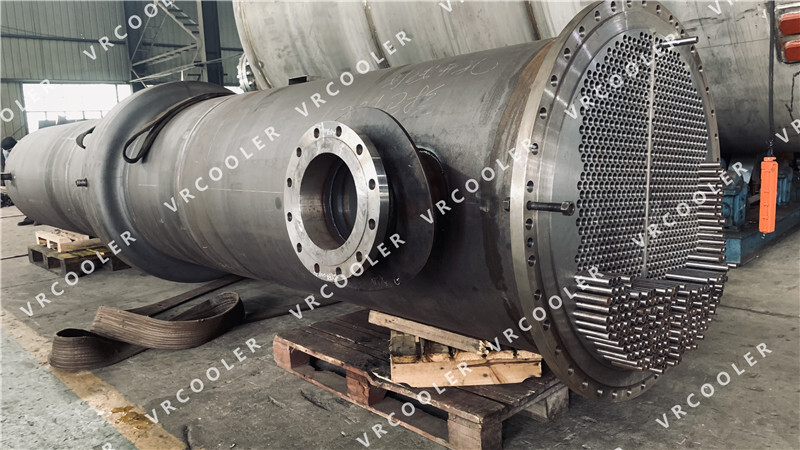
Structural Strength for High Temperature Operation
Reboilers often operate under elevated temperature and pressure conditions. The mechanical robustness of shell and tube exchangers makes them highly suitable.
Thick cylindrical shells withstand internal pressure.
Tube bundles tolerate repeated thermal expansion.
Fixed tube sheet or floating head designs adapt to temperature differences.
Welded construction enhances long-term sealing reliability.
These structural advantages ensure durability even in continuous, high-load operation.
Configurations Supporting Process Flexibility
Shell and tube reboilers can be designed in different configurations to match process requirements.
Kettle-type reboilers for large vapor generation capacity.
Thermosiphon reboilers utilizing natural circulation.
Forced circulation designs for higher flow control.
Horizontal or vertical installation depending on layout.
This flexibility allows engineers to select the optimal configuration based on column design and heat duty.
Operational Stability in Continuous Production
Distillation units often operate around the clock, requiring dependable equipment. Shell and tube reboilers provide:
Stable heat transfer performance over long service periods.
Predictable pressure drop characteristics.
Ease of inspection and mechanical cleaning.
Replaceable tube bundles for maintenance efficiency.
These features reduce downtime and extend operational lifespan.
Energy Optimization and Process Integration
Modern plants aim to minimize energy consumption while maintaining output quality. Shell and tube reboilers contribute to overall energy efficiency.
Effective heat transfer reduces steam demand.
Integration with heat recovery systems improves thermal balance.
Optimized flow distribution enhances energy utilization.
Reliable temperature control prevents over-heating and energy waste.
Through efficient thermal management, shell and tube reboilers play a central role in reducing operational costs and improving sustainability.
As reboilers, shell and tube heat exchangers are more than simple heating devices—they are essential components that sustain separation performance, ensure process stability, and support efficient industrial production.
