
In the electric power and nuclear power industries, reliability and thermal efficiency are non-negotiable. Shell and tube heat exchangers are one of the most widely used thermal exchange technologies, trusted for their robust design, high pressure/temperature resistance, and long operational life. From turbine lube-oil cooling systems to nuclear safety-related heat removal loops, these exchangers ensure stable plant performance and regulatory compliance.
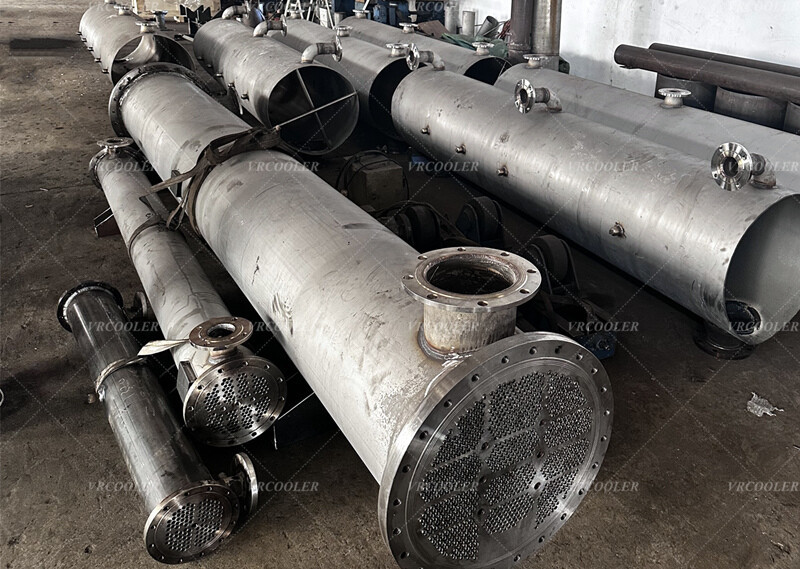
Why Shell and Tube Exchangers Are Ideal for Power Industry Applications
1. Designed for Extreme Operating Conditions
Power and nuclear plants operate under high pressures, high temperatures, and continuous loads. Shell and tube designs handle:
Steam temperatures above 500°C
High-pressure water or oil circuits
Thermal cycling from startup and shutdown sequences
Corrosive or radioactive environments (via materials like titanium, Inconel, Monel, 316L SS)
2. Easy Maintenance and Long Service Life
Removable tube bundles, floating heads, and straight-tube designs allow:
Periodic inspection
Tube cleaning and retubing
Replacement without dismantling the entire shell
This is critical for power stations that require minimal unplanned downtime.
3. High Heat Transfer Efficiency
Dense tube arrangements and optimized baffle configurations maximize turbulence, improving heat transfer while minimizing fouling—essential for continuous heat removal in 24/7 operations.
4. ASME & Nuclear-Grade Compliance
Industrial and nuclear plants require strict adherence to:
ASME Section VIII
ASME Section III (for nuclear safety-related equipment)
RCC-M, PED, and other international codes
Shell and tube exchangers can be engineered to meet these demanding standards.
Applications in Electric Power Plants
Shell and tube heat exchangers play key roles in thermal management across multiple subsystems:
1. Turbine Lube Oil Coolers
Maintain optimal lubrication temperature for steam and gas turbines, preventing oxidation and improving turbine reliability.
2. Generator Cooling Systems
In hydrogen- or air-cooled generators, exchangers remove heat from generator cooling loops to ensure stable operation.
3. Closed Cooling Water (CCW) Systems
Shell and tube exchangers transfer heat from plant equipment (booster pumps, bearings, compressors) to cooling towers.
4. Condensate Preheating and Feedwater Heating
Improve cycle efficiency by using waste heat to raise feedwater temperature before entering the boiler.
5. Intercoolers and Aftercoolers
Used in multi-stage air compressors supporting plant operations.
Industrial shell and tube heat exchangers are indispensable to the energy sector, especially for the stringent demands of electric power and nuclear power plants. Their heavy-duty construction, flexible design, and compatibility with nuclear-grade materials make them a trusted choice for mission-critical cooling and heat recovery duties.
Whether for turbine oil cooling, safety-related residual heat removal, or generator thermal management, shell and tube exchangers ensure continuous, trouble-free operation in the world’s most demanding facilities.
