
U-tube bundles are widely used in high-temperature process heating systems where thermal reliability, pressure resistance, and long service life are critical. Their unique construction allows them to withstand severe operating conditions commonly found in power plants, refineries, petrochemical units, and heavy industrial processes.
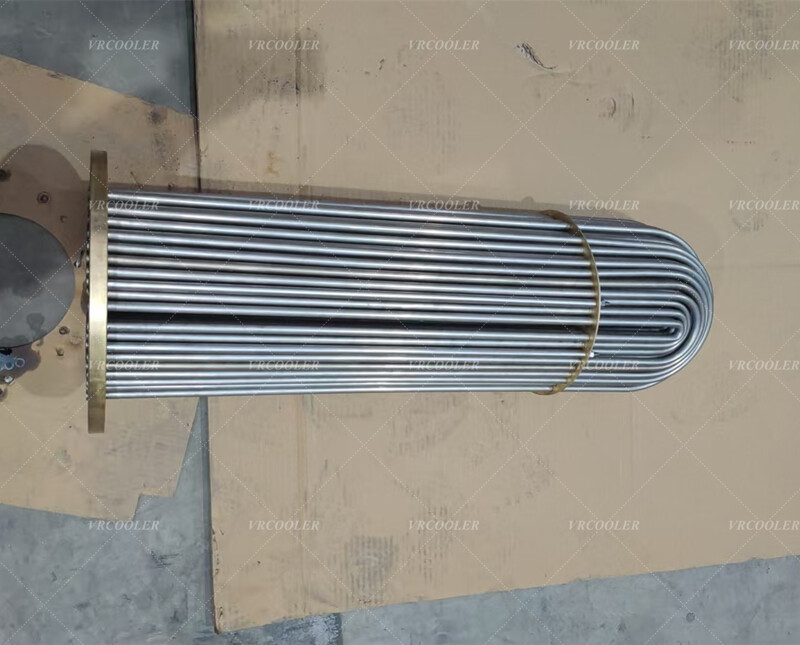
Suitability for High-Temperature Applications
U-tube bundles are preferred for applications involving:
High operating temperatures
Large temperature differences between fluids
High-pressure heating media such as steam or thermal oil
Fouling or high-viscosity process fluids
Typical heating services include:
Thermal oil heating systems
High-pressure steam heaters
Heavy fuel oil (HFO) and bitumen heating
Chemical and petrochemical process heating
Power plant auxiliary heating systems
Key Design Advantages
1. Excellent Thermal Expansion Capability
The U-shaped tubes freely expand and contract, eliminating the need for expansion joints and reducing mechanical stress at elevated temperatures.
2. High Pressure and Temperature Resistance
U-tube bundles are suitable for:
Tube-side temperatures exceeding 250 °C
High tube-side pressures
Severe thermal cycling conditions
This makes them ideal for high-temperature process heaters and energy-intensive industrial systems.
3. Reduced Leakage Risk
With only one tubesheet, the U-tube design minimizes potential leakage points compared to straight-tube exchangers.
4. Cost-Effective Construction
Single tubesheet construction reduces material and fabrication costs, particularly for large heat transfer areas.
Typical Applications
High-temperature shell and tube heaters
Thermal oil heaters in process plants
Steam heaters for fuel oil conditioning
Reboilers and process heaters
Power plant auxiliary heat exchangers
In many systems, U-tube bundles are used where reliability and thermal flexibility are more important than full mechanical tube cleaning.
Engineering and Customization
U-tube bundles can be custom-designed based on:
Required heat duty
Operating and design temperatures
Design pressures
Flow rates and allowable pressure drop
Applicable standards (ASME, TEMA, etc.)
This ensures optimal performance in both new installations and retrofit projects.
