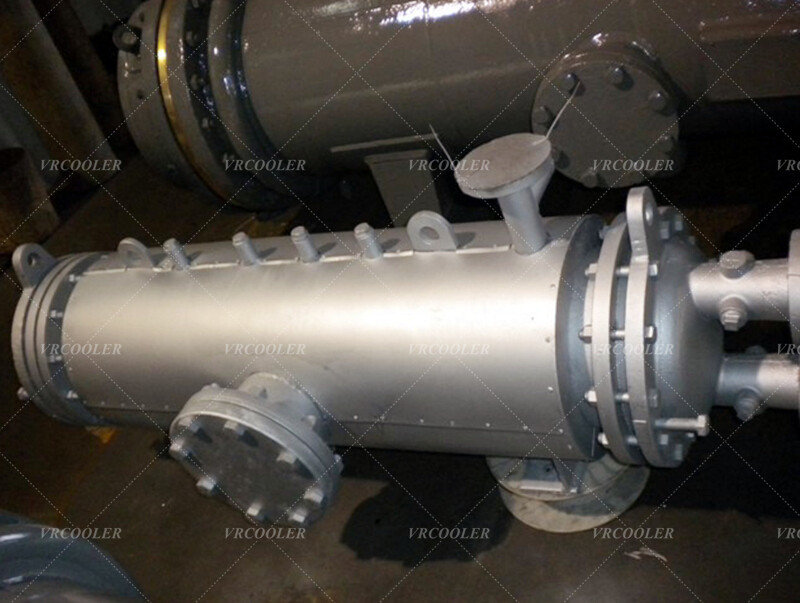
Common signs of a malfunctioning gland steam condenser include visible steam leaking around the turbine shaft glands, increased temperature or humidity in the turbine hall, and unstable gland-sealing pressure. Operators may also notice high condenser shell pressure or loss of the slight vacuum required to draw the steam-air mixture away from the glands.
Other warning signs include rising condensate temperature, reduced or irregular condensate flow, condensate backing up in the condenser, and an abnormal increase in cooling-water outlet temperature. Poor heat transfer may be caused by fouled tubes, inadequate cooling-water flow, high cooling-water inlet temperature, or excessive gland steam leakage.
Abnormal exhauster operation is another important indicator. High motor current, unusual noise or vibration, frequent duty/standby changeover, or insufficient suction can indicate a failing exhauster, blocked vent line, or excessive non-condensable gas accumulation.
Cooling-water contamination in the condensate may indicate tube leakage, while water appearing on the steam side can lead to flooding and unstable operation. These symptoms should be investigated by checking shell pressure, gland steam flow, cooling-water temperatures and flow rate, condensate drainage, vent piping, exhauster performance, and tube integrity.