
What Are the Typical Applications of Drain Cooler?
Drain Cooler is a specialized heat exchanger designed to cool steam condensate (a byproduct of steam-based systems) while recovering its residual heat. This dual function—heat recovery and condensate cooling—makes it indispensable in industries where energy efficiency, process stability, and equipment protection are critical.
1. Power Generation (Fossil Fuel, Nuclear, and Combined-Cycle Plants)
Power plants rely heavily on high-pressure steam to drive turbines (for electricity production). After passing through turbines, steam condenses into high-temperature condensate—this is where Shell Tube Drain Coolers add significant value.
Primary Use Case: Cool turbine condensate and recover heat for boiler feedwater preheating.
Turbine exhaust steam is condensed in a condenser (producing condensate at ~50–80°C, depending on pressure).
The Shell Tube Drain Cooler takes this warm condensate and transfers its heat to boiler feedwater (cold water destined for the boiler). This preheats the feedwater (e.g., from 20°C to 45°C) before it enters the boiler’s economizer (a heat exchanger that further uses flue gas heat).
Benefits:
Reduces fuel consumption for the boiler (since feedwater is preheated, less energy is needed to reach steam temperature).
Prevents "thermal shock" to the boiler: Cold feedwater directly entering the boiler can damage its tubes; preheating via the drain cooler mitigates this.
Example: In a coal-fired power plant, a Shell Tube Drain Cooler may handle 100–500 m³/h of turbine condensate, recovering enough heat to cut boiler fuel use by 3–5%.
2. Food and Beverage Processing
Food plants (e.g., dairy, brewing, baking, fruit processing) use steam for heating, pasteurization, sterilization, and equipment cleaning. Condensate from these processes is often high-temperature (70–120°C) and must be cooled before disposal or reuse—while avoiding contamination of food products.
Primary Use Cases:
Cooling condensate for safe reuse: Condensate from steam-heated pasteurizers or ovens is cooled in the drain cooler (to ~30–40°C) before being reused as process water (e.g., for washing raw materials) or boiler feedwater.
Heat recovery for process preheating: The heat from condensate is used to preheat cold food streams (e.g., raw milk, beer wort, or fruit puree) before they enter pasteurizers or cookers.
Critical Requirement: The drain cooler’s tubes and shell are made of food-grade materials (e.g., 316L stainless steel) to prevent corrosion and contamination of both condensate and food streams.
Example: In a dairy plant, a Shell Tube Drain Cooler uses 90°C condensate from a milk pasteurizer to preheat cold raw milk (from 4°C to 30°C), reducing the pasteurizer’s steam demand by 20–25%.
3. Chemical and Petrochemical Industries
Chemical plants use steam for reactions, distillation, heating reactors, and vaporizing solvents. Condensate here may be contaminated with trace chemicals (e.g., solvents, catalysts) or have high mineral content—requiring controlled cooling and heat recovery to avoid waste and equipment damage.
Primary Use Cases:
Cooling contaminated condensate: Condensate from chemical reactors is cooled in the drain cooler (to ~40–60°C) before being sent to wastewater treatment (lower temperatures reduce treatment costs and prevent damage to treatment equipment).
Heat recovery for solvent preheating: Heat from clean condensate (e.g., from steam jackets on distillation columns) is used to preheat cold solvents or reactants before they enter the distillation process.
Design Adaptation: Tubes may be coated (e.g., with PTFE) or made of corrosion-resistant alloys (e.g., Hastelloy) to handle aggressive condensate.
Example: In a petrochemical plant, a Shell Tube Drain Cooler cools 110°C condensate from an ethylene cracker to 50°C, recovering heat to preheat liquid propane (a feedstock for the cracker), cutting natural gas use for propane heating by 15%.
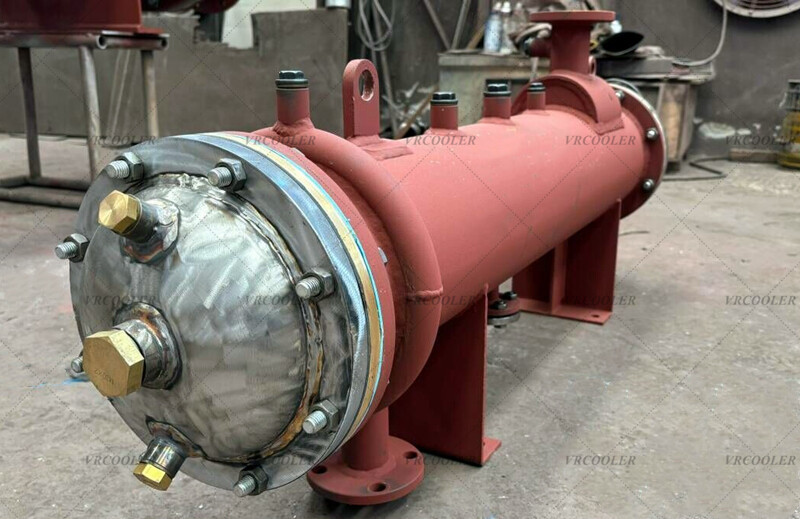
4. Pharmaceutical Manufacturing
Pharmaceutical plants require strict temperature control and sterility (per FDA/EMA regulations). Steam is used for sterilization (e.g., autoclaves), heating bioreactors, and cleaning (CIP—Clean-in-Place systems). Condensate must be cooled to avoid microbial growth and recovered to reduce water waste.
Primary Use Cases:
Cooling CIP condensate: Condensate from CIP steam (used to clean tanks and pipelines) is cooled in the drain cooler (to ~25–35°C) before being filtered and reused in CIP systems (saves freshwater and reduces wastewater discharge).
Heat recovery for media preheating: Heat from sterile condensate (e.g., from bioreactor jackets) is used to preheat cell culture media (a nutrient solution for bioprocesses) before it is sterilized (reduces the energy needed for media sterilization).
Critical Features: The drain cooler is designed for easy sanitization (e.g., smooth internal surfaces, no dead zones) and may include sanitary fittings (e.g., tri-clamp connections) to meet GMP (Good Manufacturing Practice) standards.
5. HVAC (Heating, Ventilation, and Air Conditioning) for Large Buildings
Commercial and industrial buildings (e.g., airports, hospitals, shopping malls) use steam boilers for space heating, hot water, and humidification. Condensate from steam radiators or heat exchangers is often underutilized—Shell Tube Drain Coolers address this.
Primary Use Case: Cool condensate and recover heat for domestic hot water (DHW) or preheat ventilation air.
Condensate from steam radiators (at ~60–90°C) flows through the drain cooler, where it transfers heat to cold tap water (for DHW, e.g., from 10°C to 40°C) or to outside air (preheating it before it enters the building’s HVAC system).
Benefits: Reduces electricity or gas use for DHW heaters and HVAC preheaters, lowering building operating costs and carbon emissions.
Example: A hospital uses a Shell Tube Drain Cooler to preheat cold DHW (from 15°C to 35°C) with 75°C condensate from its steam heating system, cutting natural gas use for DHW by 30%.
6. Pulp and Paper Industry
Pulp and paper mills use steam for cooking wood chips (to make pulp), drying paper, and heating process water. Condensate here is often high-volume and may contain lignin or other organic residues—requiring robust cooling and heat recovery.
Primary Use Cases:
Cooling condensate for boiler reuse: Condensate from paper dryers (at ~80–100°C) is cooled in the drain cooler (to ~40–50°C) and filtered to remove residues before being reused as boiler feedwater (reduces freshwater intake and chemical treatment for feedwater).
Heat recovery for chip preheating: Heat from clean condensate (e.g., from steam jackets on pulp digesters) is used to preheat wood chips before cooking—reducing the steam needed for the cooking process.
Design Adaptation: The drain cooler may have larger tube diameters to prevent clogging from pulp residues, and it is often made of carbon steel (cost-effective for non-corrosive condensate).
