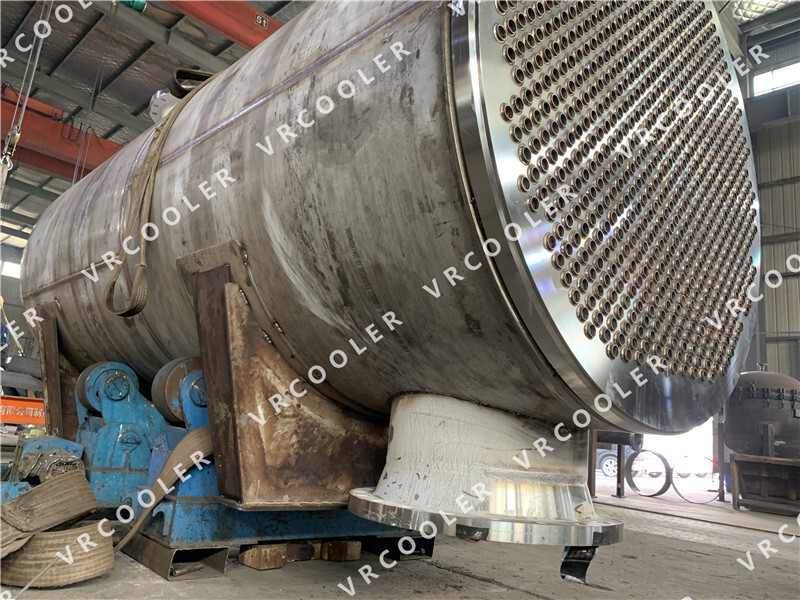
What are the Different Cleaning Methods for Shell and Tube Heat Exchangers Made of Different Materials?
Shell and tube heat exchangers made of different materials differ in their cleaning methods, mainly because different materials have different tolerances to chemical cleaning agents, cleaning methods and physical cleaning methods. The following are a few common materials of shell and tube heat exchangers and their corresponding cleaning methods:
1. Stainless Steel
Cleaning Methods.
Acid Cleaning: Cleaning with diluted acid (e.g. phosphoric acid or hydrochloric acid) removes scale and corrosion products. Make sure that the concentration of acid and the cleaning time is appropriate to prevent damage to the stainless steel.
Physical Cleaning: Use a soft brush and a high pressure water jet to clean. Wire brushes are not recommended to avoid scratching the surface.
Neutral cleaner: Use neutral cleaner for regular cleaning, avoid strong acid or alkali.
2. Carbon Steel
Cleaning Methods
Acid cleaning: Carbon steel can be acid cleaned, but special attention should be paid to the neutralization treatment after acid cleaning to prevent corrosion caused by residual acid.
Physical cleaning: High-pressure water gun and brush are suitable, but caution should be taken when using metal brushes to avoid scratching the surface.
Anti-corrosion treatment: Anti-corrosion treatment should be carried out as soon as possible after cleaning by applying anti-corrosion coatings.
3. Copper and Copper Alloys
Cleaning Methods
Chemical cleaning: Use cleaning agents suitable for copper, usually avoiding the use of strong acids to prevent copper surface corrosion.
Physical Cleaning: Use soft brushes or non-metallic brushes to clean, avoid using metal brushes.
Acid Cleaning: If you use acid cleaning, you need to choose special low corrosive acid, and be very careful to prevent damage to the copper material.
4. Titanium Alloy
Cleaning Methods: Chemical Cleaning
Chemical cleaning: Use mild detergent, avoid using strong acid or alkali to prevent corrosion of titanium.
Physical cleaning: Use a soft brush to clean, avoid using any tools that may scratch the surface of titanium.
5. Plastic or composite materials
Cleaning Methods
Neutral cleaner: Use mild neutral cleaner, avoid strong acid or alkali.
Physical Cleaning: Use a soft cloth or soft brush to clean, avoid using hard objects to prevent scratching the surface.
6. Aluminum
Cleaning Methods
Avoid strong acids: It is not advisable to use strong acids for cleaning as they may cause corrosion to aluminum.
Physical Cleaning: Use a soft brush or high pressure water jet, avoid abrasive tools.