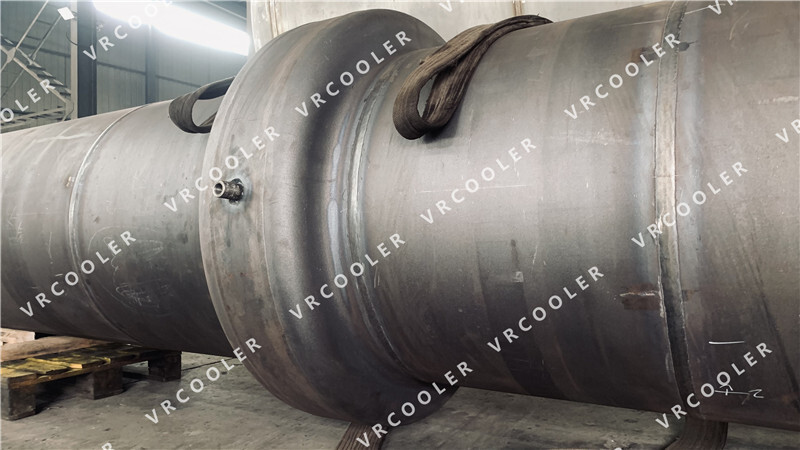
What are the Specific Applications of Shell and Tube Heat Exchangers in Refineries?
Shell and tube heat exchangers play an important role in refineries and are widely used in a number of applications to improve energy efficiency and ensure product quality. Below are some specific applications:
1. Crude oil preheating
Function: Shell and tube heat exchangers preheat crude oil to the proper temperature before it enters the distillation column to improve distillation efficiency.
Importance: Preheating reduces the energy consumption of the distillation column and improves the fractionation efficiency.
2. Heating and Cooling of Distillation Towers
Function: During the distillation process, shell and tube heat exchangers are used to heat the liquid in the column and cool the vapor at the top of the column.
Importance: Ensure uniform temperature distribution in the column to improve separation efficiency and product quality.
3. Heat exchange and recirculation
Function: Shell and tube heat exchangers are used for heat recovery and recirculation in various process steps, e.g. to transfer heat from exhaust gases or other hot fluids to cold fluids.
Importance: This can significantly improve energy utilization and reduce the overall energy consumption of the refinery process.
4. Auxiliary systems for heating and cooling
Function: Used to heat and cool different fluids such as gasoline, diesel and other chemicals to ensure they are processed at the proper temperature.
Importance: Controlling the temperature of the fluids is essential for the quality of the product and the safety of the reaction.
5. Catalytic Cracking and Hydrotreating
Function: Shell and tube heat exchangers are used to control the temperature of the reactor during catalytic cracking and hydroprocessing, either by heating the reactants or cooling the product.
Importance: Ensures that the reaction takes place at the optimum temperature, thus increasing the yield and quality of the product.
6. Thermal management of lubricants and coolants
Function: Shell and tube heat exchangers are used in equipment lubrication systems to control the temperature of lubricating oils and coolants to ensure proper operation of the equipment.
Importance: Maintaining proper temperatures extends the life of the equipment and reduces the failure rate.
7. Waste Heat Recovery
Function: A waste heat recovery system is utilized to recover heat from exhaust gases or other hot fluids for use in preheating crude oil or other fluids.
Importance: Recovering waste heat can significantly reduce energy costs and improve the overall energy efficiency of a refinery.