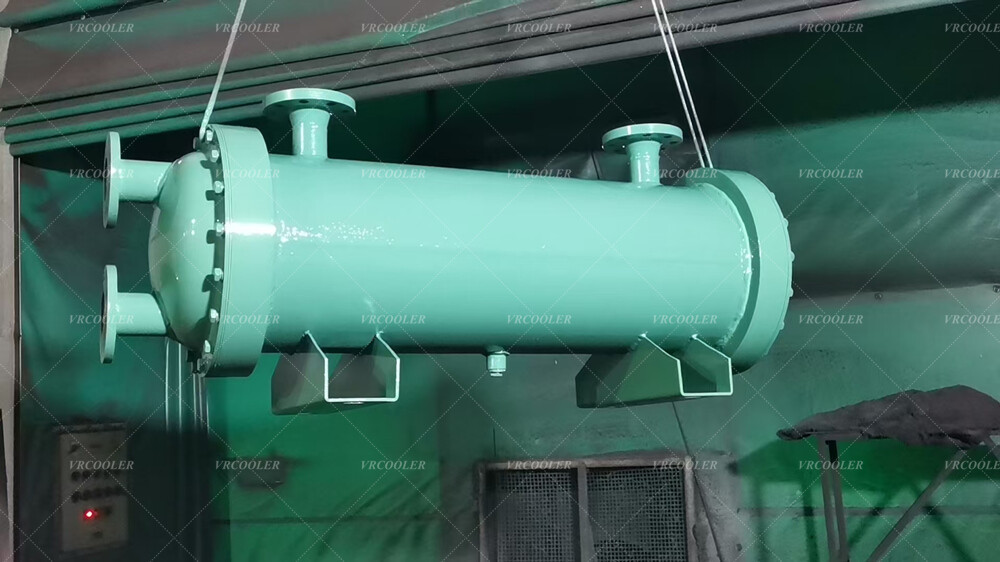
Corrosion in a seawater-cooled condenser is mainly caused by the high chloride content and electrical conductivity of seawater. Chlorides can damage the protective oxide layer on unsuitable metals, leading to pitting and crevice corrosion, particularly around tube sheets, joints, gasket areas and stagnant-water zones.
Galvanic corrosion can occur when different metals, such as copper alloy tubes, carbon steel water boxes and stainless steel tube sheets, are electrically connected in seawater. The less noble metal corrodes faster. Excessively high seawater velocity may also cause erosion-corrosion at tube inlets, while low velocity encourages sediment and biological growth. Deposits create oxygen differences beneath the fouling layer, causing localized under-deposit corrosion.
Other contributing factors include high water temperature, dissolved oxygen, polluted seawater, poor material selection, damaged coatings, ineffective sacrificial anodes and leaving stagnant seawater inside the condenser during shutdown.
Corrosion can be reduced by selecting suitable materials such as Cu-Ni alloys, titanium or properly specified Duplex stainless steel; electrically isolating incompatible metals; applying protective coatings to water boxes; installing and regularly inspecting sacrificial anodes; controlling seawater velocity; and cleaning the tubes periodically. During extended shutdowns, the seawater side should be drained, flushed with fresh water and dried where practical.