
High pressure in an atmospheric condenser system usually means the condenser cannot remove heat from the vapor fast enough, or vapor and condensate cannot flow through the system smoothly. When condensation is incomplete, vapor pressure rises and the system becomes unstable.
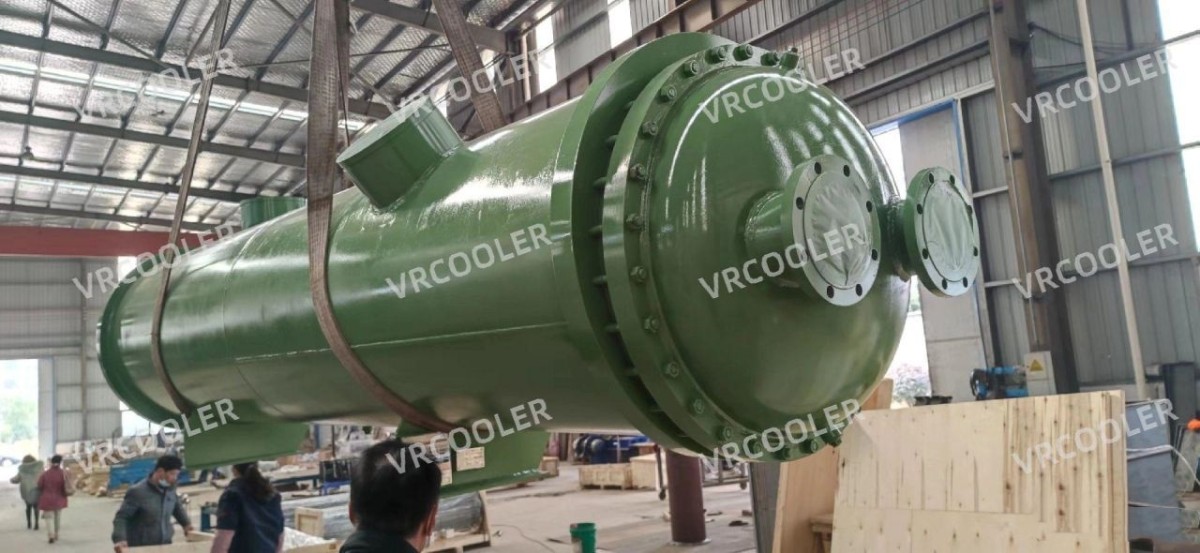
Common causes of high pressure in an atmospheric condenser system
1. Insufficient cooling water flow
If the cooling water flow rate is too low, the condenser cannot carry away enough heat. This may be caused by a weak pump, partially closed valve, blocked strainer, fouled pipeline, air lock, or incorrect flow adjustment.
2. High cooling water inlet temperature
When the cooling water temperature is too high, the temperature difference between the vapor and cooling water becomes smaller. Heat transfer capacity drops, so the vapor cannot condense completely and system pressure rises.
3. Fouling or scaling inside tubes
Scale, mud, rust, biological growth, or mineral deposits on the cooling water side create a thermal resistance layer. Even if water is flowing, the heat transfer surface cannot work efficiently, causing poor condensation and higher pressure.
4. Vapor-side fouling
Oil film, chemical residue, sludge, polymer deposits, or process contaminants on the vapor side can also reduce heat transfer. This is common in process vapor, solvent recovery, marine, and industrial condensation systems.
5. Non-condensable gas accumulation
Air or other non-condensable gases do not turn into liquid under normal condenser conditions. If they collect inside the condenser, they form a barrier on the heat transfer surface and reduce condensation efficiency. This is one of the most common causes of high condenser pressure.
6. Poor venting
If the vent line is blocked, undersized, or closed, non-condensable gases cannot escape. The condenser then loses effective heat transfer area, and the operating pressure increases.
7. Excessive vapor load
If the vapor flow rate is higher than the condenser design capacity, the condenser cannot condense all incoming vapor. This may happen when upstream equipment operates above design load or when process conditions change.
8. Poor condensate drainage
Condensate must drain smoothly from the condenser. If the outlet is blocked, the drain line is improperly installed, or liquid accumulates inside the condenser, part of the heat transfer surface may be flooded. This reduces effective condensation area and increases pressure.
9. Undersized condenser
If the condenser has insufficient heat transfer area for the actual duty, high pressure may occur even when the unit is clean and water flow is normal. This often appears after a process capacity increase or operating condition change.
10. Blocked air path in air-cooled designs
For air-cooled atmospheric condensers, high pressure may be caused by dirty fins, fan failure, wrong fan rotation, blocked air inlet or outlet, poor ventilation space, or high ambient temperature.
11. Tube leakage or internal bypassing
Tube leakage, damaged baffles, or internal bypass flow can reduce effective heat transfer. Cooling water or vapor may not pass through the intended heat exchange path, causing unstable condenser performance.
Typical warning signs
- Condenser pressure rises above normal operating range
- Vapor outlet temperature is too high
- Cooling water outlet temperature is lower than expected
- Condensate flow is reduced or unstable
- Vent line discharges excessive air or vapor
- System capacity decreases
- Upstream equipment becomes unstable
- Frequent alarms or shutdowns occur
How to solve the problem
The first checks should be cooling water flow rate, cooling water inlet temperature, pressure drop, venting condition, and condensate drainage. If these are normal, inspect the condenser for tube scaling, vapor-side fouling, blocked passages, or insufficient heat transfer area.
In simple terms, high pressure in an atmospheric condenser system is usually caused by poor heat removal, non-condensable gas accumulation, excessive vapor load, or poor condensate drainage. A properly designed and well-maintained condenser helps keep pressure stable and ensures reliable condensation.
