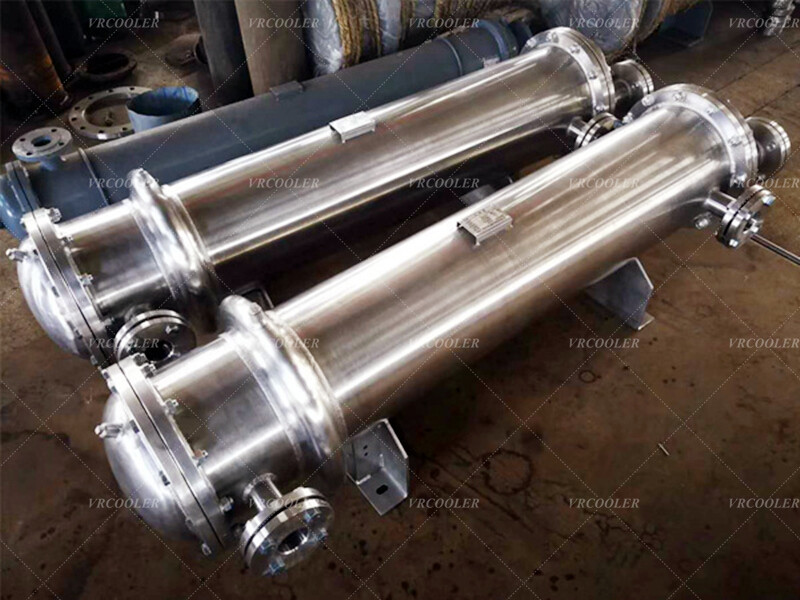
Poor performance in a tank cleaning heater is usually caused by reduced heat transfer, insufficient heating medium, or poor flow conditions on the cleaning liquid side. Common causes include scale buildup, fouled tubes, blocked water passages, low steam pressure, unstable steam supply, condensate drainage problems, air trapped inside the heater, low cleaning water flow, incorrect valve position, or an undersized heat exchanger.
For a shell and tube tank cleaning heater, tube-side fouling is one of the most common problems. If seawater, freshwater, or cleaning solution flows through the tubes, minerals, sludge, rust, biological deposits, or chemical residue can build up on the heat transfer surface. This reduces heating efficiency and causes the outlet cleaning water temperature to drop.
Steam-side problems can also affect performance. If the steam pressure is too low, the steam trap is blocked, or condensate cannot drain properly, part of the heat transfer area may become flooded. This can lead to slow heating, unstable outlet temperature, water hammer, vibration, and higher steam consumption.
Other possible causes include damaged baffles, internal bypassing, leaking tubes, incorrect installation, poor insulation, wrong flow direction, or a heater that is too small for the required cleaning water flow rate. Regular tube cleaning, steam trap inspection, condensate drainage checks, pressure monitoring, and temperature testing help keep the tank cleaning heater working efficiently.