
- Product Knowledge
Fluids that usually require a Hastelloy shell and tube heat exchanger are highly corrosive fluids that can quickly attack carbon steel, 304 stainless steel, or even 316L stainless steel. Hastelloy is selected when the process involves strong acids, chlorides, mixed chemicals, corrosive vapors, or aggressive condensate.
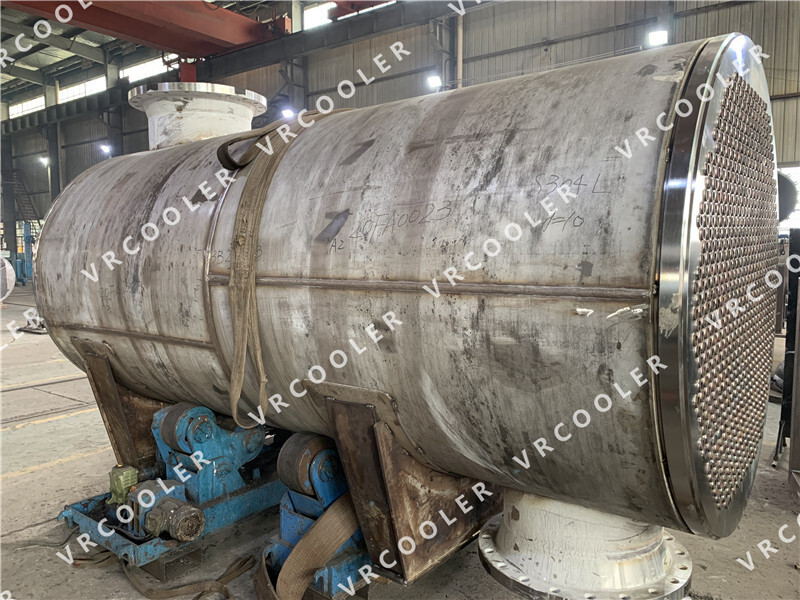
Common fluids requiring Hastelloy shell and tube heat exchangers
1. Hydrochloric acid
Hydrochloric acid is one of the most common reasons to use Hastelloy, especially Hastelloy B2, B3, C276, or C22 depending on concentration, temperature, and impurities. Ordinary stainless steel is usually not reliable in hydrochloric acid service.
2. Sulfuric acid
Sulfuric acid can be highly corrosive depending on concentration, temperature, velocity, and contaminants. Hastelloy C276, C22, or G30 may be selected for sulfuric acid cooling, heating, or condensation duties.
3. Phosphoric acid
Phosphoric acid often contains impurities such as chlorides, fluorides, or solids. Hastelloy G30 and C276 are commonly considered for phosphoric acid heat exchangers, especially in fertilizer and chemical production.
4. Acetic acid and organic acids
Organic acids such as acetic acid, formic acid, and mixed acid streams may require Hastelloy when temperature is high or when chlorides and oxidizing contaminants are present.
5. Mixed acid solutions
Mixed acids are often more difficult than single acids because different components may create both oxidizing and reducing corrosion conditions. Hastelloy is often used for mixed acid cooling, acid recovery, and waste acid treatment.
6. Chloride-rich fluids
High-chloride process fluids can cause pitting corrosion, crevice corrosion, and stress corrosion cracking in common stainless steels. Hastelloy is suitable for many chloride-containing chemical solutions, brines, and corrosive industrial waters.
7. Refinery overhead condensate
Refinery overhead systems may contain chlorides, sulfur compounds, ammonia, acid gases, hydrocarbons, and water. When vapor condenses, corrosive liquid films can form on the tube surface. Hastelloy tubes are often selected for refinery overhead condensers where stainless steel may fail.
8. Ammonia stripper overhead vapor
Ammonia stripper overhead vapor can contain ammonia, water vapor, chlorides, sulfides, and other corrosive components. During condensation, corrosion risk can increase, so Hastelloy is often used for ammonia stripper overhead condensers.
9. Acid gas condensate
Condensate from acid gas, waste gas, or chemical exhaust streams can be very corrosive. Hastelloy shell and tube condensers are often used to handle acidic condensate safely.
10. Solvent mixtures
Chemical solvent streams may require Hastelloy when they contain acids, chlorides, water, or reactive impurities. This is common in solvent recovery condensers and fine chemical production.
11. Chlorinated chemicals
Fluids containing chlorinated compounds may be aggressive to standard stainless steel, especially at higher temperature or in the presence of moisture. Hastelloy can provide better corrosion resistance in many of these services.
12. Corrosive wastewater
Industrial wastewater from chemical, pharmaceutical, refinery, or acid production processes may contain acids, salts, chlorides, solvents, and suspended solids. Hastelloy may be selected when the wastewater is too aggressive for stainless steel.
13. Brine and high-salt solutions
Some brine or salt-containing solutions require Hastelloy, especially when temperature is high, pH is low, or oxidizing chemicals are present. In less severe seawater applications, titanium or duplex stainless steel may also be considered.
14. Corrosive vapor condensation service
Hastelloy is especially valuable in condenser service because corrosion can be more severe during condensation. Acidic or chloride-containing components may concentrate in the first liquid film formed on the heat transfer surface, causing rapid localized corrosion if the material is not suitable.
Typical applications
Hastelloy shell and tube heat exchangers are commonly used as:
- Acid coolers
- Acid heaters
- Corrosive vapor condensers
- Refinery overhead condensers
- Ammonia stripper overhead condensers
- Solvent recovery condensers
- Waste acid heat recovery exchangers
- Chemical process coolers
- Pharmaceutical process heat exchangers
- Flue gas condensate coolers
Important note for material selection
The fluid name alone is not enough to select Hastelloy grade. The final material should be chosen based on:
- Chemical composition
- Acid concentration
- Chloride content
- pH value
- Operating temperature
- Pressure
- Impurities
- Solid content
- Flow velocity
- Fouling risk
- Whether the fluid is condensing, boiling, or single-phase
In simple terms, a Hastelloy shell and tube heat exchanger is required when the fluid is too corrosive for normal stainless steel and long-term leakage-free operation is critical.