
The required information depends on whether the transformer uses an oil-air radiator, fan-assisted cooler, or oil-water heat exchanger. The following data is normally needed:
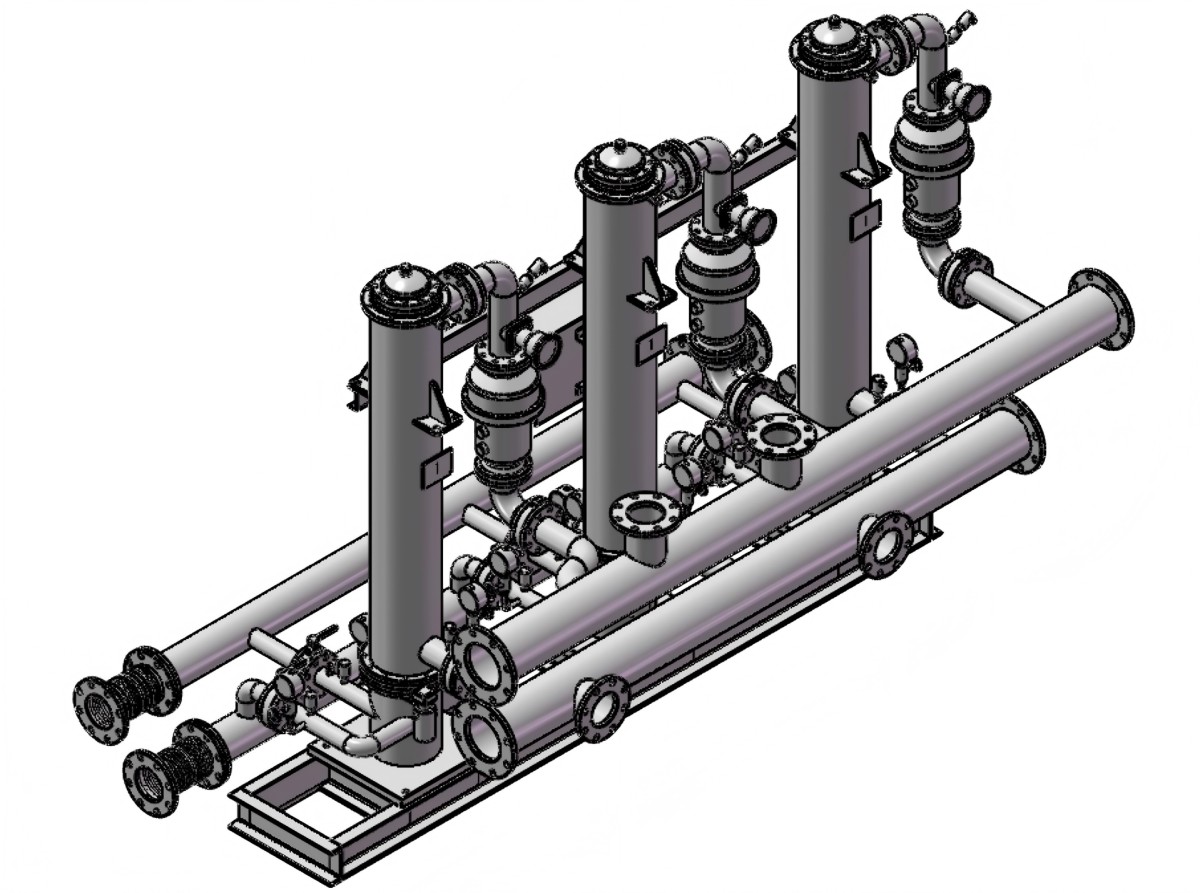
Transformer and cooling duty
- Transformer rated capacity, in kVA or MVA
- Transformer type and application
- Required heat-rejection capacity
- Normal, overload, and emergency operating conditions
- Cooling mode, such as ONAN, ONAF, OFAF, or OFWF
- Maximum allowable transformer-oil temperature
- Required oil inlet and outlet temperatures
Transformer-oil data
- Transformer-oil type and grade
- Oil flow rate or circulation method
- Oil density, specific heat, and viscosity
- Oil-side working and design pressure
- Allowable oil-side pressure drop
- Whether circulation is natural or pump-assisted
Cooling-medium data
For an oil-water cooler:
- Cooling-water type, such as treated freshwater, closed-loop water, or seawater
- Water inlet temperature and flow rate
- Water outlet-temperature requirement
- Water-side working and design pressure
- Allowable water-side pressure drop
- Water quality, chloride concentration, and fouling conditions
For an oil-air cooler:
- Maximum and minimum ambient temperatures
- Installation altitude
- Required airflow
- Fan power supply and control method
- Noise restrictions
- Wind, rain, dust, and outdoor corrosion conditions
Mechanical and material requirements
- Existing cooler dimensions and mounting points
- Oil and water connection sizes and locations
- Available installation space
- Tube, shell, header, radiator, and gasket materials
- Coating or corrosion-protection requirements
- Drain, vent, inspection, and cleaning arrangements
- Required service access and removable tube-bundle design
Standards and testing
The design may need to comply with transformer, pressure-vessel, or project standards such as IEC 60076, ASME, TEMA, or customer and utility specifications. Required tests may include hydrostatic pressure testing, leakage testing, material certification, dimensional inspection, and thermal-performance verification.
For a replacement project, the original nameplate, drawing, cooler model, operating data, photos, connection details, and available dimensions are especially useful. A complete design should be based on both the original cooler data and the transformer’s actual operating conditions.
