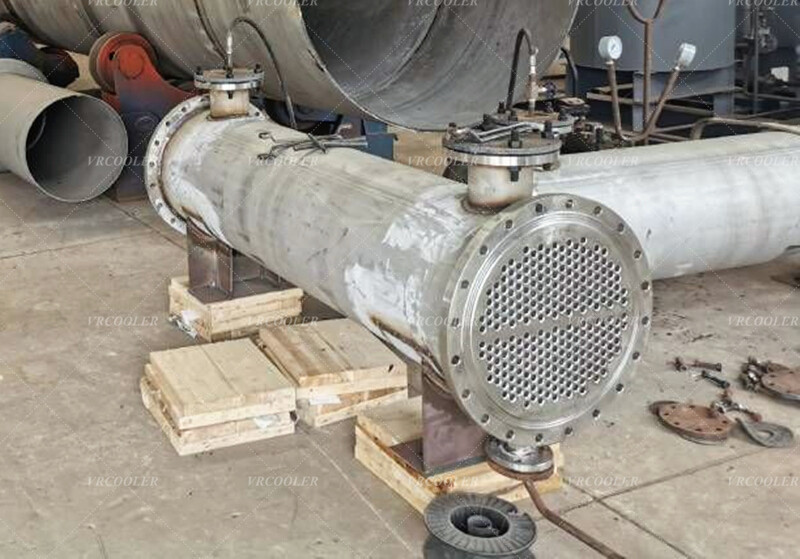
A fuel oil heater is used to heat fuel oil before it enters an engine, burner, or injection system so the oil reaches the correct viscosity for smooth flow and proper atomization.
For heavy fuel oil, HFO, heating is especially important because the fuel is thick at lower temperatures. Preheating helps it pass through pumps, filters, and injectors more easily, reduces strain on the fuel system, and supports stable combustion.
HFO is thick at lower temperatures. If it is not heated properly, it may not flow smoothly through pumps, filters, flow meters, and injectors. Poor viscosity control can also affect spray quality and combustion stability. The correct temperature should be determined from the fuel’s viscosity-temperature curve and the equipment manufacturer’s required injection viscosity.
In a shell-and-tube heat exchanger, one fluid flows through the tubes while another fluid flows through the shell around the tube bundle. For fuel oil heaters, the fuel is often routed through the tubes, while steam, hot water, or thermal oil flows on the shell side to transfer heat into the fuel. The exact arrangement depends on pressure, fouling risk, cleaning needs, and manufacturer design.