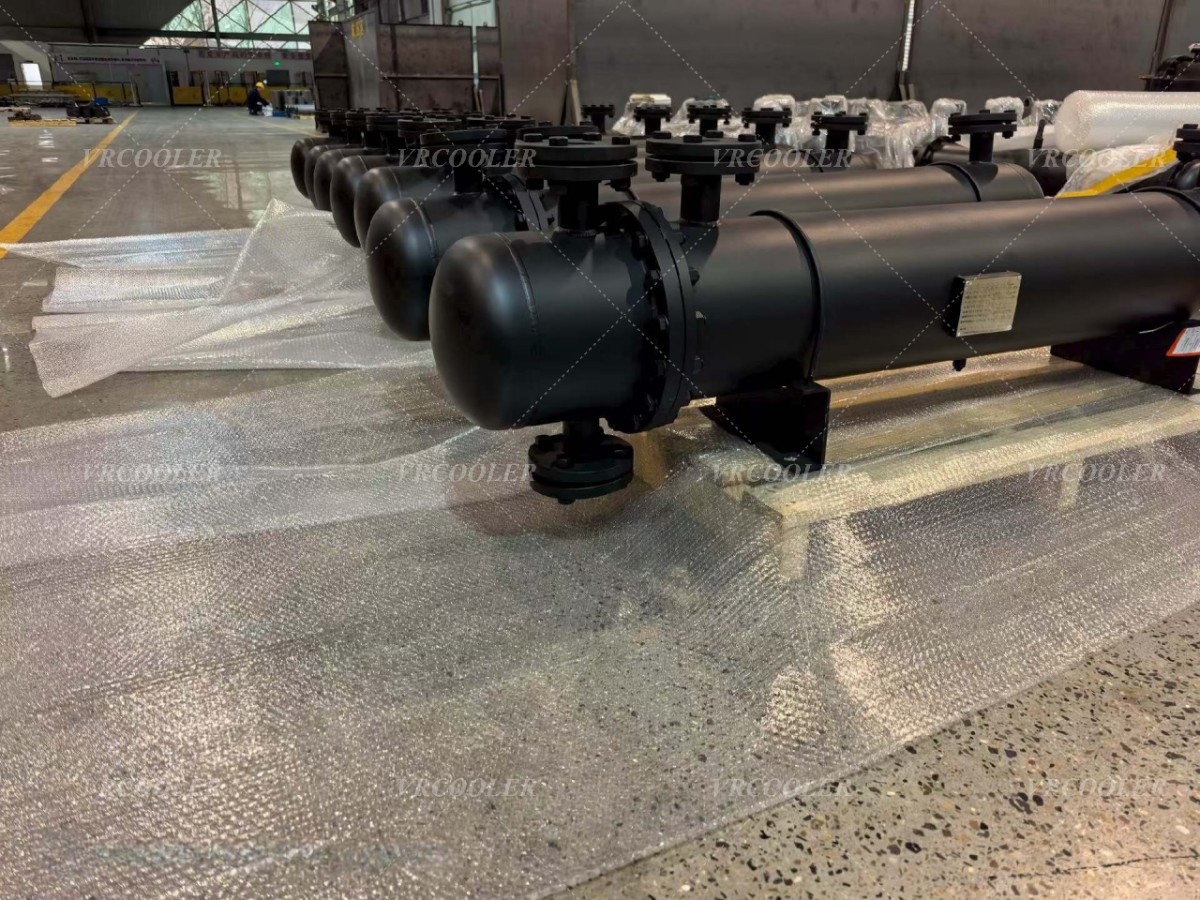
What is the main function of a gland steam condenser?
Time :Jun 16, 2026
The main function of a gland steam condenser is to collect and condense the steam leaking from the steam turbine shaft gland sealing system, then discharge or recover it as condensate.
In a steam turbine, the shaft must pass through the turbine casing. This area cannot be completely sealed by solid contact, so gland sealing steam is supplied to the shaft glands. The sealing steam helps prevent air from entering the turbine vacuum side and prevents steam from leaking out to the turbine hall. After doing its sealing work, part of this steam becomes gland exhaust steam. The gland steam condenser receives this exhaust steam and cools it by using circulating water, condensate, or other cooling water.
By condensing the gland steam, the condenser helps maintain a slight vacuum or stable low pressure in the gland exhaust system. This is very important because unstable gland pressure can lead to steam leakage, air ingress, poor turbine vacuum, higher condenser load, and reduced turbine efficiency.
A gland steam condenser also keeps the turbine room cleaner and safer. Without proper condensation, gland steam may escape into the turbine hall as visible vapor, increasing humidity, heat, corrosion risk, and poor working conditions around the turbine. A well-designed condenser removes this vapor and keeps the area dry and clean.
Another important function is condensate recovery. The condensed gland steam can often be returned to the condensate system, reducing water loss and improving overall plant efficiency. In power plants, refineries, chemical plants, and marine steam systems, this small recovery function is still valuable because steam and treated boiler water are costly.
For stainless steel gland steam condensers, the corrosion resistance is especially useful. Gland steam condensate may contain dissolved oxygen, carbon dioxide, ammonia, or other impurities, while the cooling water may contain chlorides or scaling minerals. Stainless steel tubes and shell materials help improve service life and reduce leakage risk.
In simple terms, a gland steam condenser has four key purposes: condense gland leakage steam, maintain stable gland exhaust pressure, prevent steam discharge into the turbine hall, and recover clean condensate back to the system.
By clicking "Allow All", you agree to the storage of cookies on your device to enhance site navigation, analyze site usage and assist with our marketing efforts. Cookie Notice