
The payback benefit of compressor waste heat recovery comes from reducing the energy that would normally be used to produce hot water, steam, or process heat. In many factories, a large amount of electrical energy consumed by the air compressor is finally converted into heat. If this heat is discharged to the atmosphere through an air cooler or cooling tower, it is wasted. By installing a shell and tube heat exchanger, this heat can be recovered and reused.
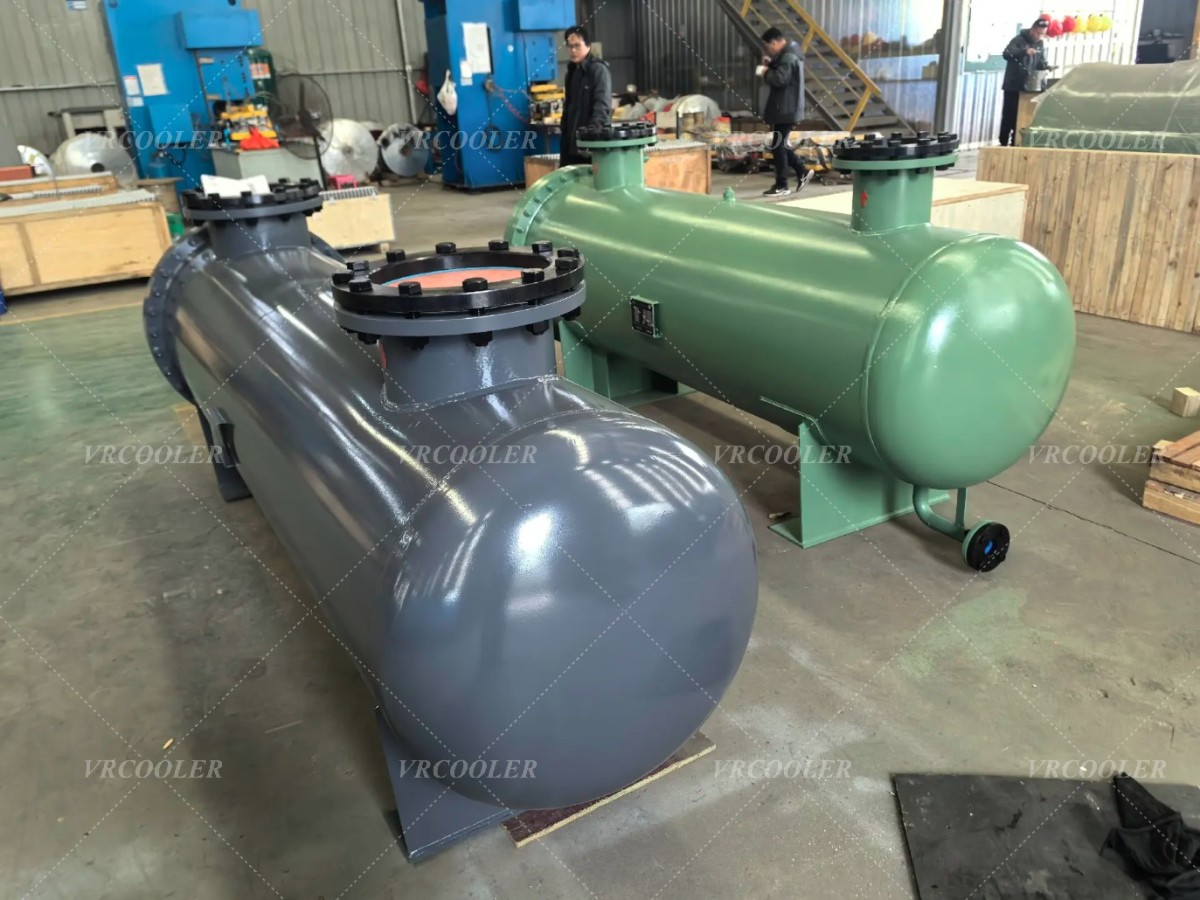
Recovered compressor heat can be used for boiler feedwater preheating, process washing water, cleaning water, space heating, drying support, or factory domestic hot water. This reduces the load on boilers, electric heaters, gas heaters, or steam systems. As a result, the plant can lower fuel consumption, reduce electricity cost, and improve overall energy efficiency.
The actual payback period depends on compressor power, operating hours, compressor load rate, recoverable heat quantity, hot water demand, local energy price, and installation cost. For factories where compressors run continuously and hot water is needed every day, the payback can be very attractive because the recovered heat replaces energy that the factory would otherwise pay for.
Another benefit is environmental. By reducing boiler fuel or electric heating demand, compressor waste heat recovery can also help reduce carbon emissions and support energy-saving targets.
In simple terms, the payback benefit is that the factory turns wasted compressor heat into useful heating energy, reducing operating cost while improving the efficiency of the whole compressed air system.
