
When selecting a cargo oil heater, the first consideration is the cargo type. Crude oil, heavy fuel oil, asphalt, bitumen, palm oil, lube oil, and chemical cargoes all have different viscosity, fouling tendency, corrosion risk, and heating temperature requirements. The heater must be designed according to the real cargo properties, not only the flow rate.
The inlet and outlet temperature are also critical. Some cargoes only need temperature maintenance, while others require heating before unloading. The required temperature rise will decide the heat duty, heating surface area, steam or thermal oil consumption, and overall exchanger size.
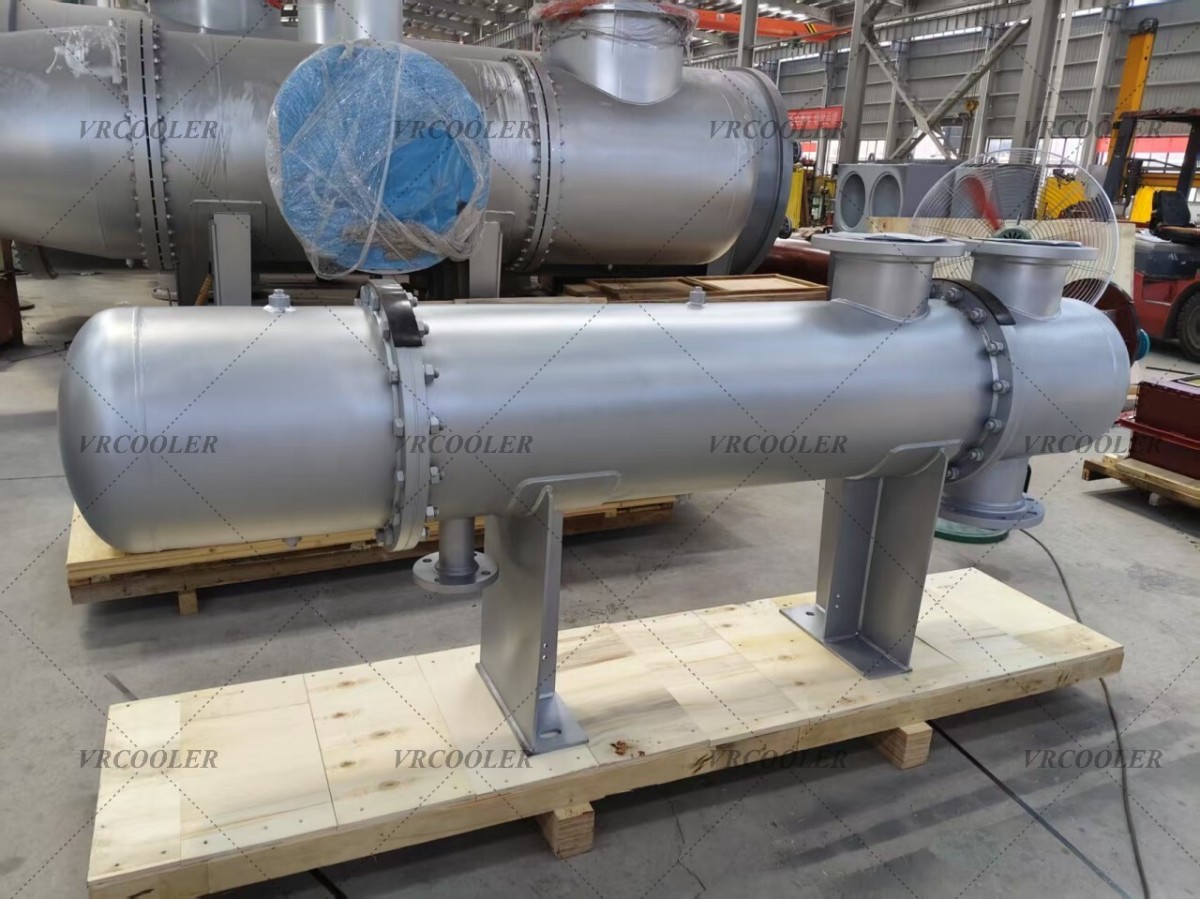
The viscosity of the cargo oil should be checked at both the inlet and outlet temperatures. High-viscosity oil can cause high pressure drop and poor heat transfer, so the flow path, tube size, baffle design, and allowable velocity must be selected carefully. For heavy oil or waxy oil, the design should avoid dead zones where oil may cool, thicken, or solidify.
The heating medium is another important factor. Cargo oil heaters may use steam, hot water, or thermal oil. Steam provides strong heating capacity and is common on ships, but temperature control and condensate drainage must be reliable. Thermal oil is suitable when stable and indirect heating is preferred.
Material selection must match both the cargo side and heating side. Carbon steel is commonly used for fuel oil and crude oil service, while stainless steel, duplex stainless steel, or special alloy may be required for corrosive cargoes, marine environments, or chemical tanker applications.
Maintenance access should not be ignored. Cargo oil can foul the heat transfer surface, especially heavy fuel oil, crude oil, asphalt, or waxy products. For this reason, a removable tube bundle, U-tube, or floating-head shell and tube design is often preferred when mechanical cleaning is expected.
For marine use, the heater should also consider classification requirements, design pressure, design temperature, corrosion allowance, vibration, installation space, nozzle orientation, insulation, safety valves, temperature control, and easy connection to the ship’s cargo system.
A well-selected cargo oil heater should provide stable heating, low pressure drop, safe operation, easy cleaning, and long service life under real shipboard operating conditions.
