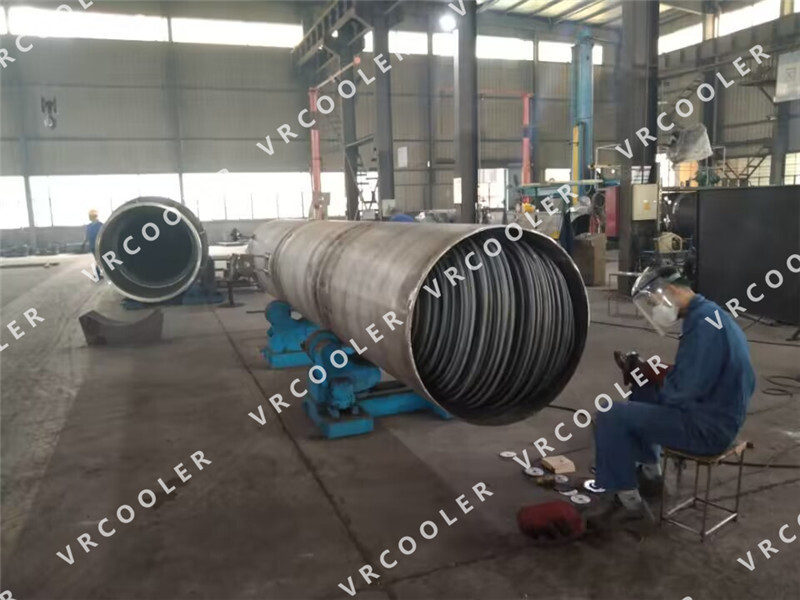
Which Materials are Suitable for U-Tube Heat Exchangers under High Pressure?
1. Stainless steel
Type: 304, 316, 321 and other stainless steel.
Advantages: good corrosion resistance, strength and toughness, suitable for a variety of chemical media and high temperature and pressure environment.
2. Alloy steel
Type: e.g. alloy steel AISI 4130, AISI 4140, etc.
Advantages: High strength and good fatigue resistance, suitable for high pressure and high temperature applications.
3. Titanium Alloys
Advantages: Titanium alloys have very high strength and corrosion resistance and are suitable for harsh chemical environments and high pressure conditions, but at a higher cost.
4. Nickel-based alloys
Types: Nickel-based alloys such as Inconel and Hastelloy.
Advantages: Excellent corrosion and high temperature resistance, suitable for applications in extreme conditions.
5. Carbon Steels
Type: Low alloy carbon steel (e.g. A106, A53).
Advantages: Suitable for high pressure applications but require corrosion protection to ensure durability in specific media.
6. aluminum alloys
Advantage: Although aluminum alloys have lower strength, they can still be used in some low pressure applications with the proper surface treatment.
7. plastics and composites
Benefits: For low to medium pressure applications, certain engineering plastics (e.g., PTFE, polyimide PI) can be used to make certain components of heat exchangers that are corrosion resistant.
Selection Considerations
The following factors should be considered when selecting a material:
Media properties: Chemical properties of the fluid, temperature and pressure.
Operating environment: the presence of corrosion, abrasion or other special conditions.
Economy: The trade-off between material cost and performance.
Fabrication and machinability: The machinability and weldability of the material.