
A shell-and-tube condenser can recover vapors that can be cooled below their dew point at the available operating pressure. Typical recoverable vapors include hydrocarbons, organic solvents, alcohols, refrigerants, steam and other condensable process gases.
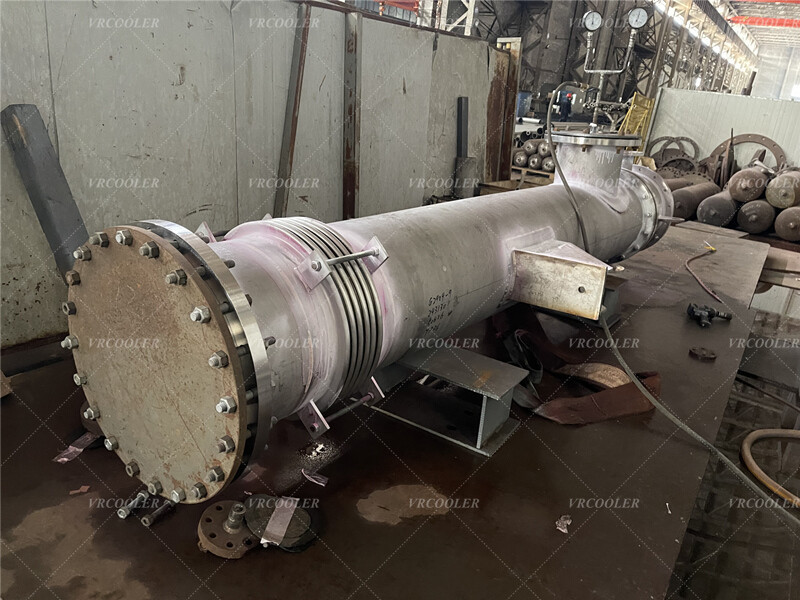
Common applications include the recovery of gasoline and naphtha vapors, benzene, toluene, xylene, kerosene-range hydrocarbons and heavier petroleum fractions from storage tanks, loading terminals, refinery vents and process equipment.
Solvent vapors such as ethanol, methanol, isopropyl alcohol, acetone, ethyl acetate, hexane and other VOCs can also be condensed and returned to production. Shell-and-tube condensers are frequently installed on reactors, distillation columns, dryers, coating lines and solvent-recovery systems.
Other recoverable vapors include:
- Water vapor and low-pressure steam
- Refrigerants such as R134a, R404A, R410A, ammonia and CO₂
- Oil vapor and lubricating-oil mist
- Chemical-process vapors
- Vapors from pharmaceutical and food-production processes
- Selected acidic or corrosive vapors when suitable materials are used
Recovery performance depends on vapor composition, concentration, flow rate, pressure and cooling-medium temperature. Cooling water may be sufficient for vapors with relatively high condensation temperatures. Chilled water, glycol or direct-refrigerant cooling may be required for more volatile compounds.
Very light gases such as hydrogen, nitrogen, methane and ethane cannot normally be recovered by a conventional water-cooled condenser. They require much lower temperatures, higher pressure, adsorption, membrane separation or cryogenic processing. In mixed vapor streams, the heavier components may condense while lighter gases remain as non-condensables.
For flammable, toxic or corrosive vapors, the exchanger must use compatible materials, suitable seals, controlled drainage, pressure protection and safe venting. Vapor composition and dew-point data should therefore be confirmed before the condenser is sized.
