
S31803, S32205, S32750, and 254 SMO are used when a heat exchanger must withstand seawater, brine, chloride-bearing water, chemical fluids, high pressure, or severe fouling conditions. Compared with standard carbon steel or 316L stainless steel, these alloys provide better resistance to pitting, crevice corrosion, stress-corrosion cracking, erosion-corrosion, and corrosion fatigue. Duplex and super-duplex grades also offer high mechanical strength, which can help reduce wall thickness and improve pressure resistance.
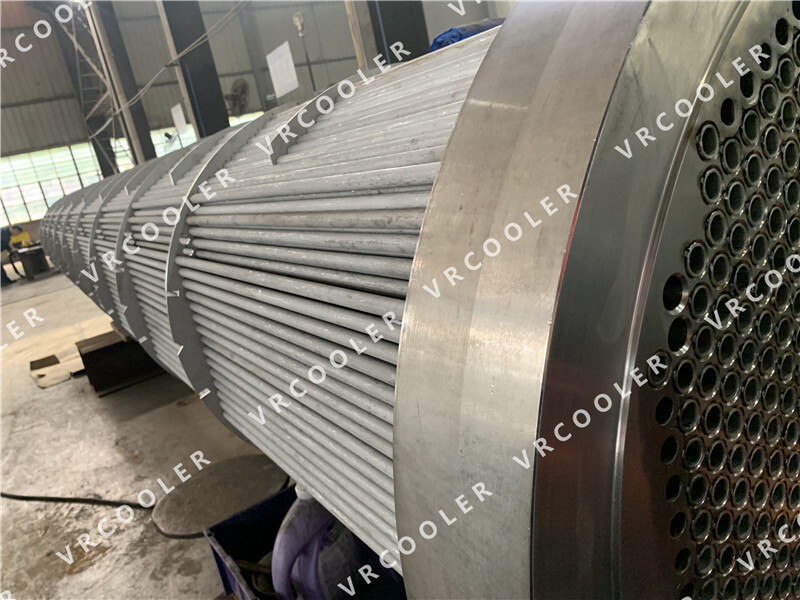
The main benefits include:
- Longer service life in chloride-containing environments
- Lower risk of tube leakage and cross-contamination
- Better resistance to seawater pitting and crevice corrosion
- Higher resistance to erosion caused by fast-flowing water
- Improved strength for high-pressure operation
- Reduced maintenance and downtime
- Lower life-cycle cost in demanding applications
In many shell-and-tube heat exchangers, these alloys are used only for the seawater-wetted components, such as tubes, tube sheets, water boxes, and nozzles. The shell can use carbon steel or another economical material when it handles a less corrosive fluid. The final choice should consider fluid chemistry, temperature, velocity, pressure, fouling, welding, galvanic compatibility, and the required service life.
Reference: