A marine main engine needs jacket-water cooling because the combustion process produces extremely high heat around the cylinder liners, cylinder heads, exhaust valve seats, piston area, and engine block. If this heat is not removed in a controlled way, the engine cannot maintain a safe and stable working temperature.
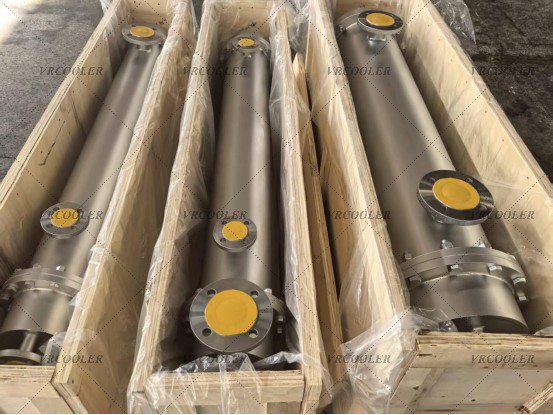
The jacket-water system circulates cooling water through passages around the engine’s hot components. As the water absorbs heat, it carries that heat away to a jacket-water cooler, where the heat is transferred to another cooling medium, such as low-temperature freshwater or seawater through a central cooling system. The cooled jacket water then returns to the engine and continues the cycle.
Proper jacket-water cooling helps protect critical engine parts from overheating, thermal expansion, deformation, cracking, liner wear, gasket failure, and exhaust valve damage. It also helps maintain the correct temperature for lubricating oil performance. When engine temperature becomes too high, lubricating oil can lose viscosity and film strength, increasing friction and wear between moving parts.
Jacket-water cooling is also important for combustion stability. A marine diesel engine should operate within a controlled temperature range. If the engine runs too hot, it may trigger high-temperature alarms, automatic load reduction, or emergency shutdown. If it runs too cold, combustion efficiency may drop, condensation may form, and the risk of low-temperature corrosion may increase.
In marine operations, stable cooling is especially important because the main engine often runs continuously for long periods under heavy load. The jacket-water cooling system supports reliable propulsion, fuel efficiency, engine safety, and longer service life.