
Fresh water needs cooling in a closed-loop engine system because its job is to pick up heat from the engine and then give that heat away before circulating again. If it only keeps absorbing heat without being cooled, the whole cooling circuit gradually becomes too hot, and the engine loses its ability to control temperature.
Inside the engine, combustion generates a very large amount of heat. Part of that heat is converted into useful power, but a significant portion is absorbed by the cylinder block, cylinder head, liners, and other metal parts. The fresh water jacket around these components removes that heat so the metal does not become excessively hot. Once the fresh water leaves the engine, however, it is already carrying that thermal load. It must pass through a cooler or heat exchanger, where the heat is transferred to seawater, radiator air, or another secondary cooling medium. Only then can the fresh water return to the engine and continue doing its job effectively.
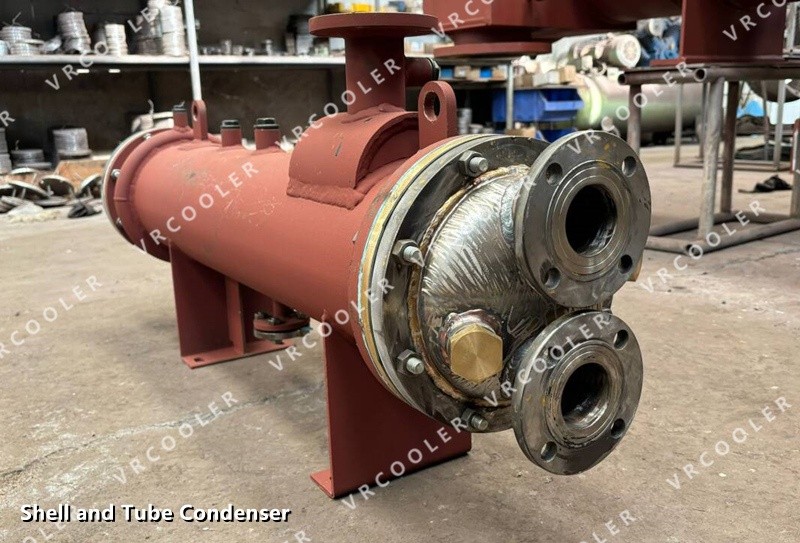
This cooling step is essential because an engine does not simply need “water circulation”; it needs controlled heat rejection. If the fresh water returns to the engine still too hot, it cannot absorb enough additional heat from the engine surfaces. As a result, engine metal temperatures start to rise. That can lead to overheating, poor thermal stability, distorted components, reduced sealing performance, and a higher risk of damage to cylinder heads, gaskets, and liners.
Cooling the fresh water also helps the engine maintain its designed operating temperature range. Engines are built to run within a relatively narrow thermal window. If temperatures are too low, combustion efficiency suffers and wear may increase. If temperatures are too high, lubricating oil degrades faster, viscosity drops, oxidation increases, and the oil film protecting bearings and moving parts becomes less reliable. In other words, cooling the fresh water is not only about protecting the coolant circuit itself; it also supports lubrication, combustion stability, and long-term engine durability.
In marine engines, generator sets, and industrial power units, this is even more important because the engine may run for long periods under continuous load. Under those conditions, heat builds up quickly and steadily. A closed-loop fresh water system is used because it keeps cleaner treated water inside the engine, reducing internal corrosion and scaling. But that closed-loop water still needs an external cooler to release the absorbed heat. Without that step, the “closed loop” would simply keep circulating hotter and hotter water until the system reached an unsafe temperature.
So in practical terms, fresh water in a closed-loop system works as a heat transport medium. It collects heat from the engine, carries it out of the engine, releases it through a cooler, and returns ready to absorb more heat again. That continuous cycle is what keeps the engine thermally stable, efficient, and reliable.
