
Shell-and-tube equipment is often preferred in refinery service because refinery conditions are usually hard on equipment. Many refinery streams involve high temperature, high pressure, continuous operation, fouling risk, corrosion risk, and strict reliability requirements. Shell-and-tube heat exchangers are well suited to those conditions because they are mechanically strong, flexible in design, and easier to maintain than many lighter-duty exchanger types.
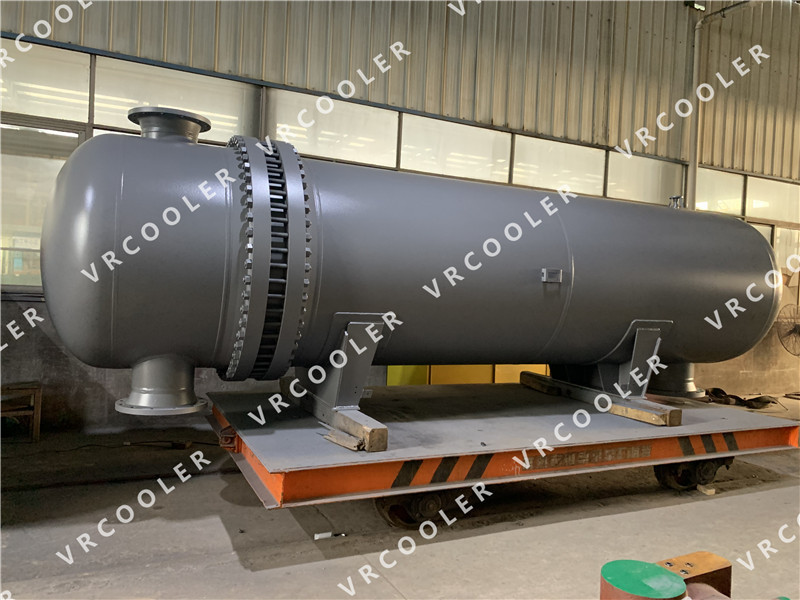
One major reason is durability. Refinery units often run for long periods under demanding conditions, and shell-and-tube exchangers have a rugged construction that can handle thermal stress, pressure variation, and heavy-duty service. They can also be built in a wide range of materials, which is important when the process involves corrosive fluids, sour service, or difficult cooling water conditions.
Another important reason is maintenance practicality. In refinery service, fouling is always a concern. Oil, sludge, scale, solids, and process contamination can reduce heat transfer over time. Shell-and-tube exchangers can be designed with removable bundles, which makes them easier to inspect, clean, and repair during shutdowns. That is a major advantage in plants where uptime and serviceability matter.
They are also preferred because they offer good design flexibility. Engineers can choose which fluid goes on the shell side or tube side based on pressure, viscosity, fouling tendency, corrosion, and cleaning needs. Different configurations such as fixed tube sheet, U-tube, or floating head can be selected depending on thermal expansion and maintenance requirements. This makes shell-and-tube equipment adaptable to many refinery duties.
In simple terms, refineries often choose shell-and-tube equipment because it offers a strong combination of reliability, pressure and temperature capability, material flexibility, and easier long-term maintenance. Even when other exchanger types are more compact, shell-and-tube units are often the safer and more practical choice for severe refinery operating conditions.
