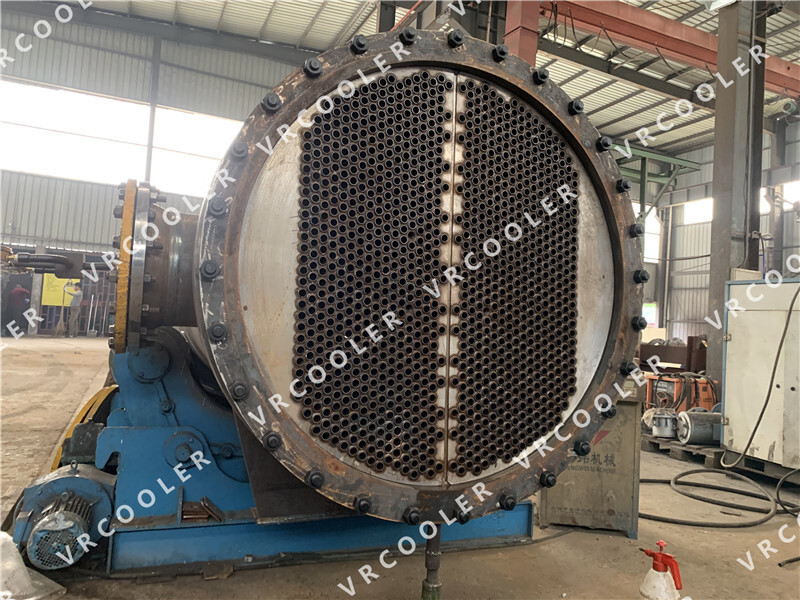
Are there any special considerations when choosing a shell-and-tube heat exchanger?
When choosing a shell-and-tube heat exchanger, there are several special considerations:
Fluid properties: The characteristics of the fluids being handled, such as viscosity, corrosiveness, and fouling tendencies.
Temperature and pressure ranges: Ensure the exchanger can handle the expected temperature and pressure extremes.
Heat transfer requirements: Consider the required heat transfer rate and efficiency.
Space availability: The physical size of the exchanger must fit within the available space.
Material compatibility: The tube and shell materials should be compatible with the fluids to avoid corrosion or other damage.
Flow rates: Ensure the exchanger is designed for the appropriate fluid flow rates.
Cleaning and maintenance access: Easy access for cleaning and maintenance is important for long-term operation.
Cost and budget: Balance performance with cost considerations.
Application-specific requirements: For example, in a hygienic application, special surface finishes might be needed.
Industry standards and regulations: Comply with relevant standards and regulations for the specific industry.
Expected lifespan and reliability: Choose an exchanger that is likely to provide reliable service over its intended lifespan.
An example would be in a chemical plant where highly corrosive fluids are involved. Special alloys might be selected for the tubes and shell to ensure resistance to corrosion. Or in a situation with limited space, a more compact design or a specific tube layout might be prioritized.